


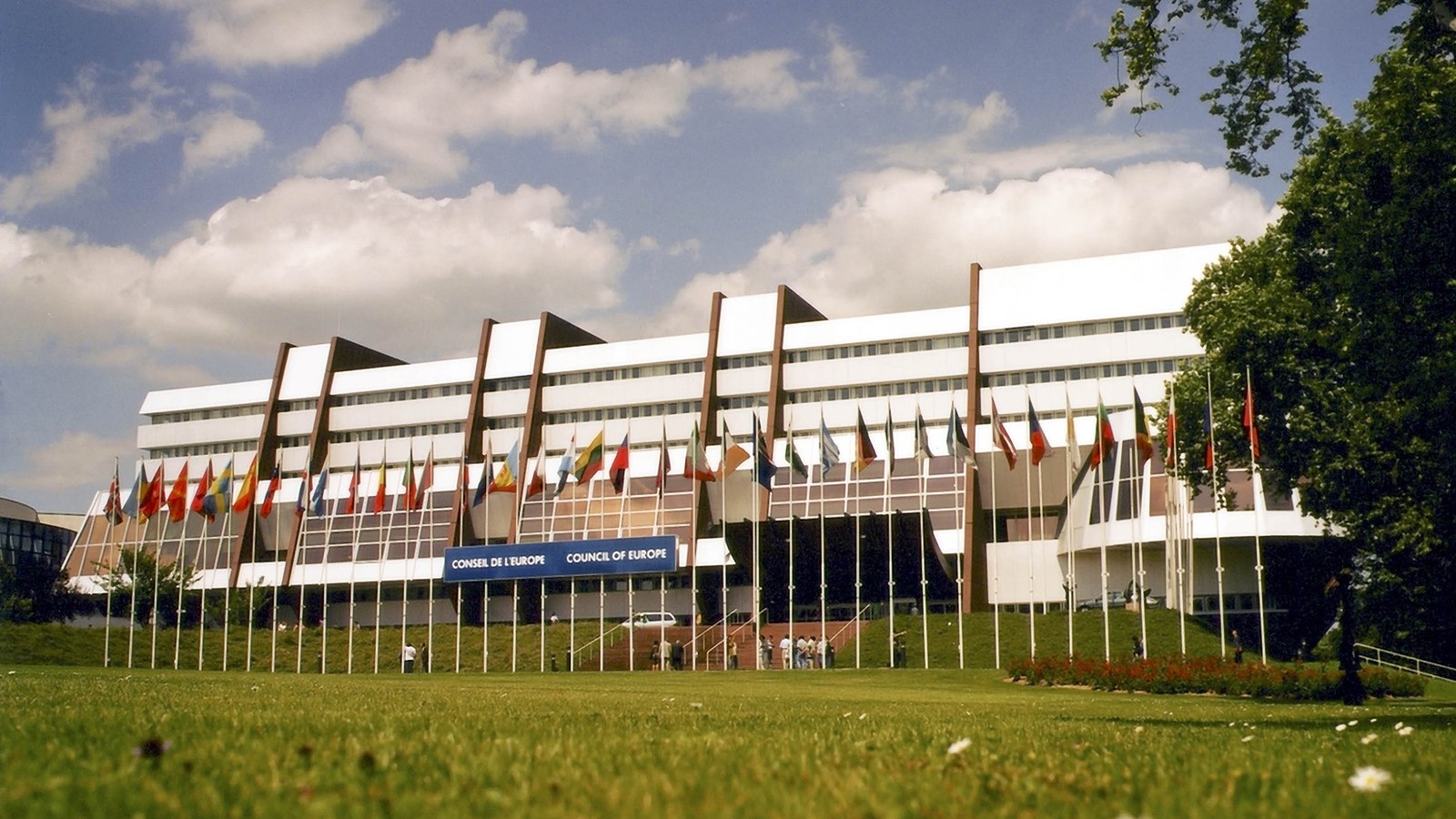
On 5 November 1992, in Strasbourg, the European Charter for Regional or Minority Languages was opened for signature by the members of the Council of Europe. The English and French texts are equally authentic. The depositary is the Secretary General. It is not the Framework Convention for the Protection of National Minorities and not the European Convention on Human Rights.
Article 1: “regional or minority languages” means languages traditionally used within a given territory of a State by nationals of that State who form a group numerically smaller than the rest of the population and different from the official language or languages; dialects of the official language and the languages of migrants are excluded. The “territory” is the geographical area in which the language is the mode of expression of a number of people justifying the Charter’s measures. “Non-territorial languages” are traditionally used by nationals but cannot be identified with a particular area.
Article 2: Part II applies to all regional or minority languages meeting Article 1. For each language specified at ratification, under Article 3, the Party undertakes at least 35 paragraphs or sub-paragraphs of Part III, including at least three from Article 8, three from Article 12 and one from each of Articles 9, 10, 11 and 13. Article 3: the instrument of ratification names the languages, including a less widely used official language. Article 4: the Charter does not restrict rights under the European Convention on Human Rights and does not affect more favourable regimes. Article 5: nothing authorises acts contrary to the UN Charter or to the sovereignty and territorial integrity of States.
Article 7, Part II: recognition of the languages as an expression of cultural wealth; respect for the geographical area so that administrative divisions do not hinder promotion; resolute action to safeguard them; facilitation of spoken and written use, public and private; links between groups; teaching and study; research; transnational exchanges; prohibition of unjustified distinctions intended to discourage the language; mutual understanding. Paragraph 5 applies these principles, mutatis mutandis, to non-territorial languages. Part III, Articles 8–14, offers options for education, justice, administration, the media, culture, economic life and transfrontier exchanges.
Article 15: the first report within a year of entry into force for the Party concerned, then every three years; the reports are public. Article 16: a committee of experts examines them and proposes recommendations to the Committee of Ministers; the Secretary General reports every two years to the Parliamentary Assembly. Article 17: one expert per Party, appointed by the Committee of Ministers for six years, eligible for reappointment. Article 18: ratification, acceptance or approval, deposited with the Secretary General. Article 19: the Charter enters into force on the first day of the month following three months after the fifth member State. It entered into force on 1 March 1998 (ETS No. 148). Article 21: reservations only to Article 7, paragraphs 2–5.
The Charter does not list European languages and does not open an individual application to the Strasbourg Court. It is not a European Union treaty. Later ratification or non-ratification by a given State, including France’s constitutional block, is not a 1992 clause.
Image: Palace of Europe, Strasbourg, place of opening for signature; Council of Europe; CC BY 3.0, Wikimedia Commons. Cropped to 16:9.
Source consulted: European Charter for Regional or Minority Languages. Treaty text: European Charter for Regional or Minority Languages, Strasbourg, 5 November 1992 (ETS No. 148).











0 Comments
No comments on this article yet. Be the first!