


The Convention on the Grant of European Patents (European Patent Convention) was concluded at Munich on 5 October 1973, at the diplomatic conference for the setting up of a European system for the grant of patents. The German, English and French texts are equally authentic, in a single original deposited with the Government of the Federal Republic of Germany. It is a special agreement within the meaning of Article 19 of the Paris Convention and a regional patent treaty within the meaning of Article 45(1) of the Patent Cooperation Treaty. It is not the Luxembourg Community Patent Convention, nor the 2000 revision act.
Article 1 establishes a system of law, common to the Contracting States, for the grant of patents for invention. Article 2: patents so granted are called European patents and, in each designated State, have the effect of and are subject to the same conditions as a national patent, unless otherwise provided. Article 3: grant may be requested for one or more Contracting States. Article 4 establishes the European Patent Organisation, with administrative and financial autonomy; its organs are the European Patent Office and an Administrative Council; the Organisation’s task is to grant European patents. Article 6: headquarters are in Munich; the Office is there, with a branch at The Hague.
Article 52: European patents shall be granted for inventions which are susceptible of industrial application, which are new and which involve an inventive step; discoveries, scientific theories, mathematical methods, aesthetic creations, schemes, rules and methods for performing mental acts, playing games or doing business, programs for computers as such, and presentations of information shall not in particular be regarded as inventions. Articles 54 to 57 define novelty, inventive step and industrial application. The provisions remain a patentability framework, not an application-drafting handbook.
Article 63: the term of the European patent is 20 years from the date of filing; a State may extend the term under the same conditions as for its national patents, to take account of a state of war or similar emergency. Article 64: from publication of the mention of grant, the proprietor has, in each designated State, the same rights as a national patent; if the subject-matter is a process, protection extends to products directly obtained. Article 69 and its interpretative protocol, which is an integral part, place the extent of protection between the strict literal meaning of the claims and a reading in which the claims would be only a guideline; it is not a claims-construction handbook.
Article 164: the Implementing Regulations and the Protocols on Recognition, Privileges and Immunities, Centralisation and the Interpretation of Article 69 form integral parts; in case of conflict the Convention prevails. Article 165: open for signature until 5 April 1974 by the States which took part in the Inter-Governmental Conference or were offered the option of taking part; instruments of ratification are deposited with the Government of the Federal Republic of Germany. Article 166: accession. Article 167 permits limited reservations, later withdrawn; it is not a catalogue of national exceptions.
Article 169: the Convention enters into force three months after deposit of the last instrument of ratification or accession by six States on whose territory the total number of patent applications filed in 1970 amounted to at least 180,000. Later ratifications take effect on the first day of the third month. Article 171: unlimited duration. Article 172: revision by a conference, with a three-quarters majority; States that have not ratified the revised text cease to be parties. Article 173: disputes not settled by the Administrative Council may be submitted to the International Court of Justice. Article 174: denunciation takes effect one year after receipt.
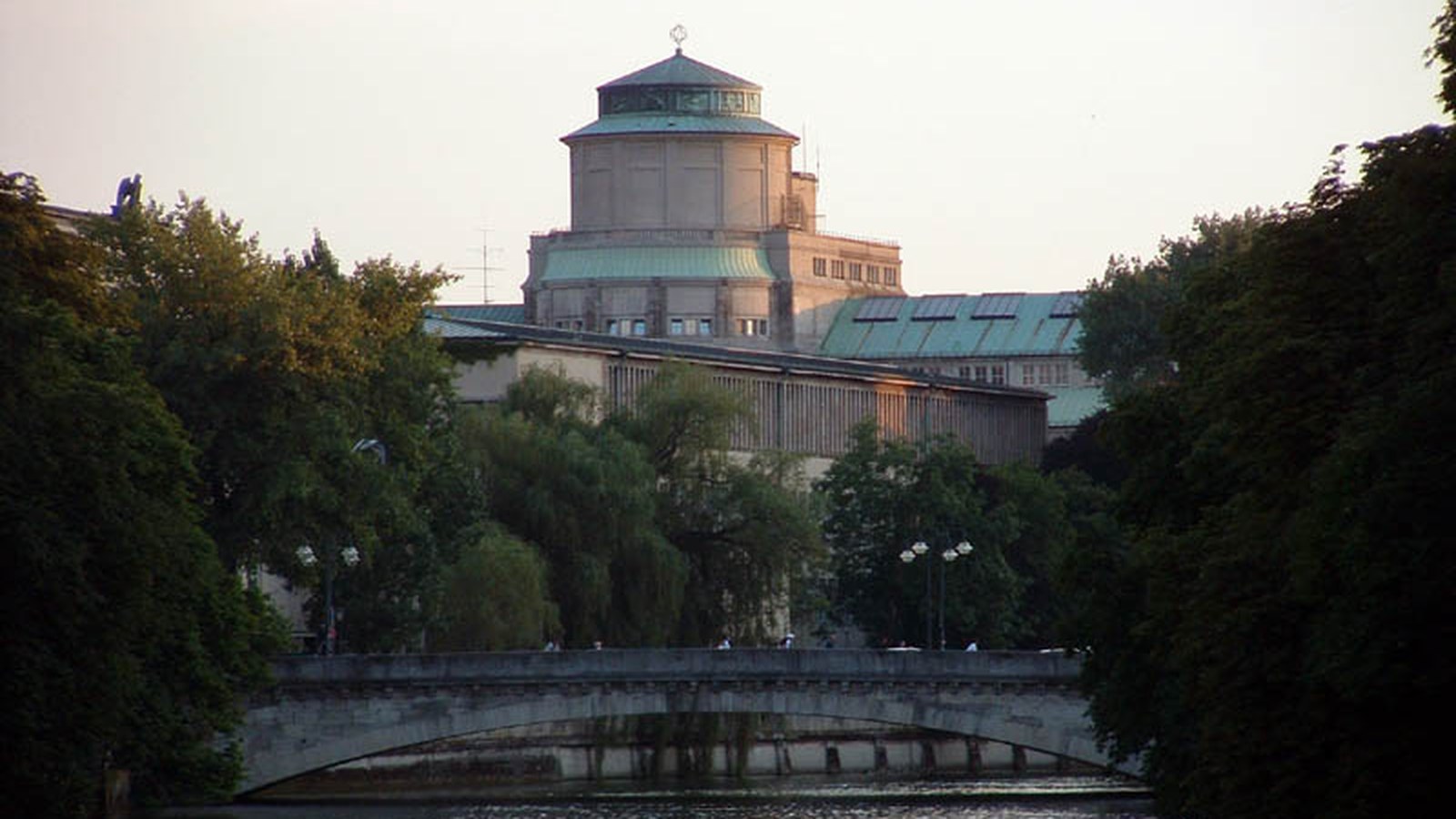
The first entry into force followed the ratifications of Belgium, the Federal Republic of Germany, France, Luxembourg, the Netherlands, Switzerland and the United Kingdom. The cover shows the Deutsches Museum in Munich, the venue of the diplomatic conference, not the later Isar building of the Office.
Sources consulted: European Patent Convention; official UNTS text, Convention on the Grant of European Patents (UNTS 16208).











0 Comments
No comments on this article yet. Be the first!