
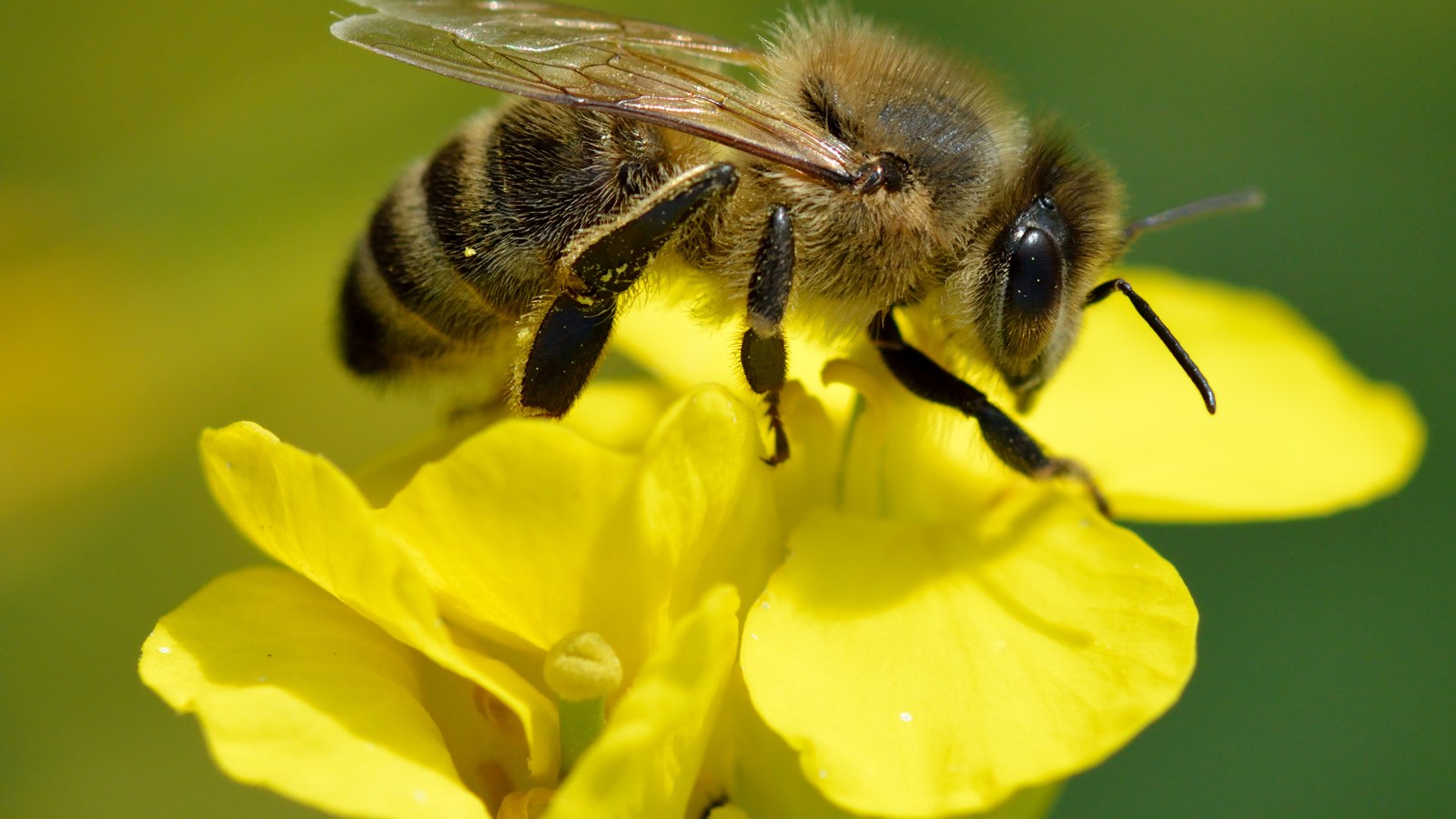
A CORDIS analysis published on 18 September 2026 rejects the idea that the loss of honeybees would automatically collapse all plant life. Ecologist Yann Clough of Lund University says agriculture would still face serious shocks, because commercial bees are treated today as an input, alongside fertiliser and water.
Hives containing millions of bees are moved from farm to farm for crops including almonds, apples, plums, cucumbers, rapeseed, avocados and squash. Colonies face overlapping pressures from pesticides, disease and other environmental stresses, which can drive them to collapse.
Clough argues that if commercial honeybee colonies could not be maintained, some pollination would be taken over by wild species: among an estimated 25,000 wild bee species, as well as hoverflies, beetles, butterflies and wasps. The substitution would be partial and would depend on habitat, crop and season.
The EU-funded DrivenByPollinators project examined how pollinator decline affects wild plants. Early analysis suggests their loss could reshape the composition of European grasslands, not only the yield of certain crops.
Farmers who manage land for pollinators also gain other benefits, Clough says: less nutrient runoff into rivers and habitat for predators that keep agricultural pests in check. Mini-drone pollination might make sense for very high-value crops, but not at the scale of commercial apiaries.
The CORDIS piece is not an apocalyptic forecast. It distinguishes industrial honeybees from the much wider pollinator network. Without habitats and without lower chemical pressure, even partial substitution is not guaranteed.
Image: Apis mellifera on Brassica napus / Wikimedia Commons. A pollinator on oilseed rape, not a particular commercial colony. Cropped to 16:9.
Source consulted: Could we survive in a world without bees? | CORDIS; DrivenByPollinators | CORDIS.



0 Comments
No comments on this article yet. Be the first!