


At least 35 flights bound for European cities have received false bomb threats since Monday — 27 of them on Thursday alone — according to a Reuters tally cited by El País. The International Civil Aviation Organization (ICAO) says at least 16 countries have been affected as origin, destination or unscheduled stop.
No explosives have been found on any aircraft, but the warnings forced diversions and evacuations. Four countries scrambled fighter jets to escort affected flights. No government has identified those responsible, and no group has claimed the wave of threats, ICAO said.
In known cases, everything started with an email — how alerts reached airports in Rome, Prague and Madrid. The threshold for taking a threat seriously is “quite low,” experts say, because the consequences of a real incident could be enormous. If authorities deem a threat credible, pilots prepare to land within 30 minutes.
The EU Aviation Safety Agency (EASA) says the risk of each false threat is low, but the rising number of diversions puts “additional pressure on the system.” A fake email costs nothing; a diversion can cost millions.
Threats arrived in batches: one alert Monday, seven Tuesday, at least 27 Thursday. Only one known email was signed, with the name of a Russian ultranationalist movement; experts place the episode in a hybrid-warfare context but stop short of blaming Moscow directly. If identified, perpetrators can face prison — up to one year in Spain, two in France, seven in the UK.
Source consulted: How a wave of false bomb threats is disrupting air travel in Europe — El País.
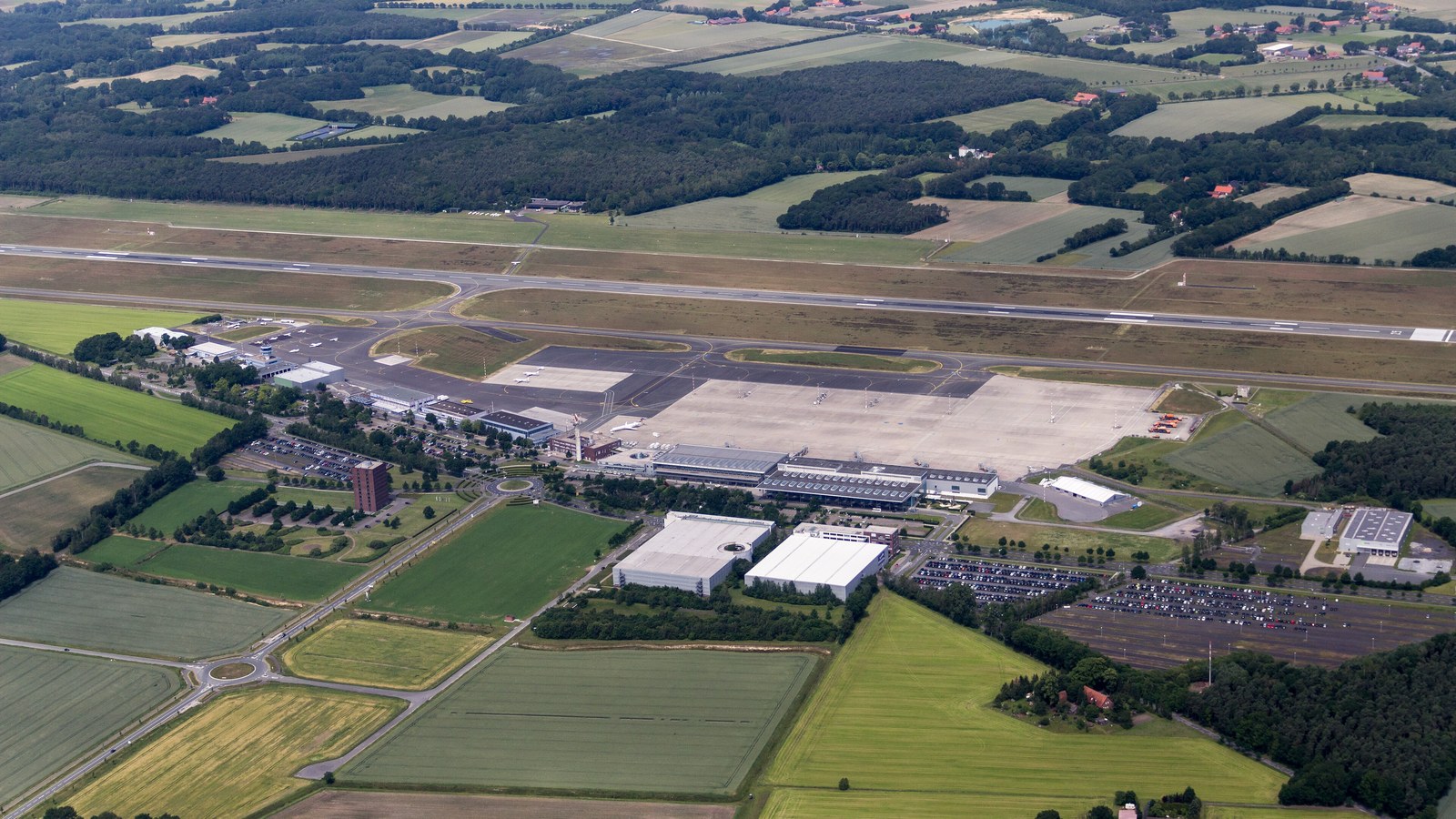
Image: European airport (Wikimedia Commons, CC BY-SA 4.0).
Sources consulted: How a wave of false bomb threats is disrupting air travel in Europe — El País.









0 Comments
No comments on this article yet. Be the first!