


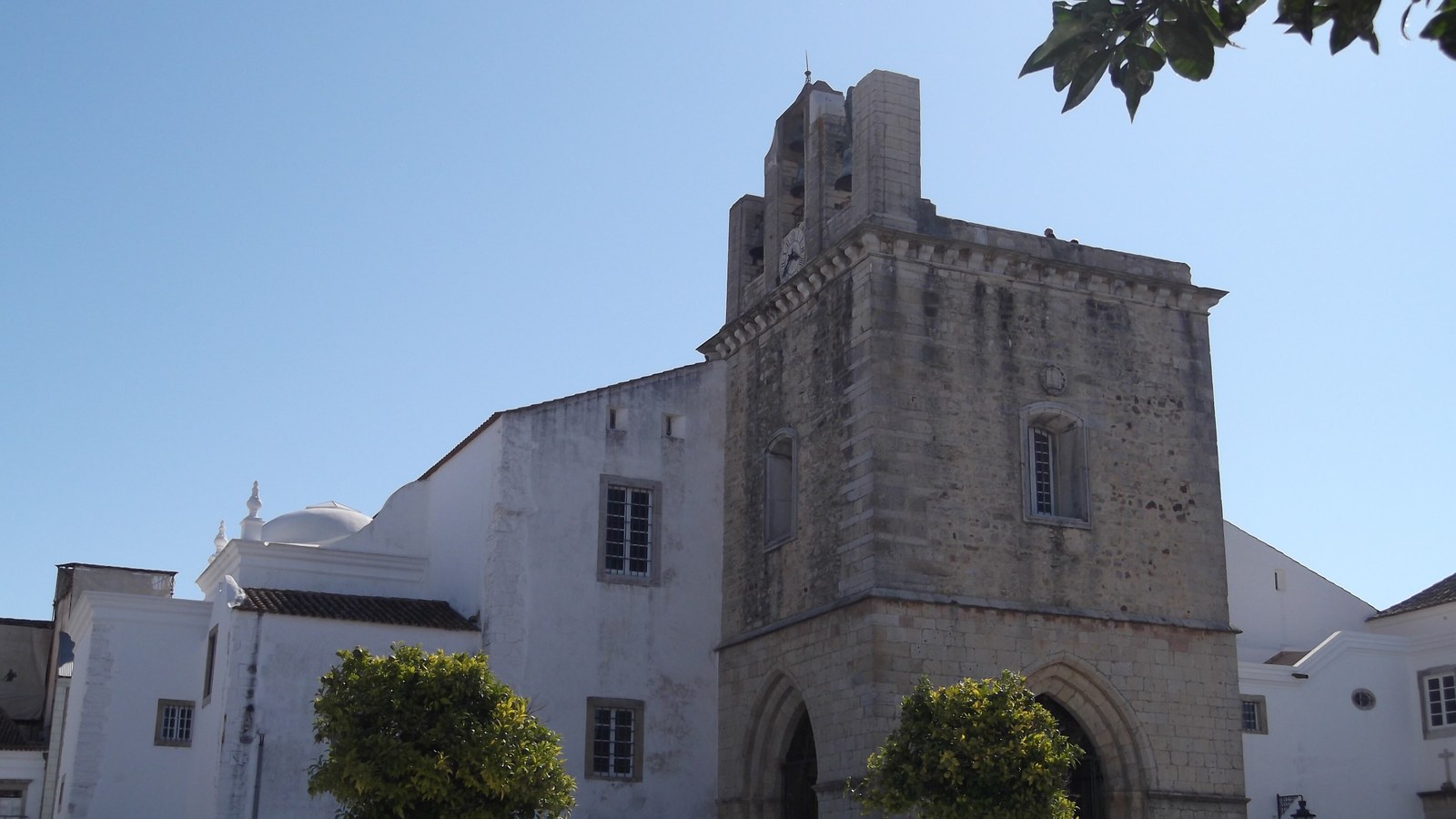
On 27 October 2005, in Faro, Portugal, the Council of Europe Framework Convention on the Value of Cultural Heritage for Society (CETS 199) was concluded. A single copy, in English and French equally authentic, deposited in the archives of the Council of Europe. Depositary: the Secretary General. It is not the European Cultural Convention of 1954, nor the Granada Convention on architectural heritage (1985), nor the Valletta Convention on archaeological heritage (1992, revised), nor the European Landscape Convention of Florence (2000), though the preamble refers to them. The preamble ties the right to engage with the heritage of one’s choice to the Universal Declaration of 1948 and the International Covenant on Economic, Social and Cultural Rights of 1966. It is open for signature by the member States of the Council of Europe.
Article 1: rights relating to cultural heritage are inherent in the right to participate in cultural life; individual and collective responsibility; conservation and sustainable use have human development and quality of life as their goal. Article 2: cultural heritage is a group of resources inherited from the past which people identify, independently of ownership, as a reflection of their evolving values, beliefs, knowledge and traditions, including the environment resulting from the interaction of people and places; a heritage community consists of people who value specific aspects and wish, within public action, to sustain and transmit them. Article 3: the common heritage of Europe — all forms of cultural heritage as a shared source of remembrance, identity, cohesion and creativity, and the ideals drawn from progress and past conflicts, for a peaceful society founded on human rights, democracy and the rule of law.
Article 4: everyone, alone or collectively, has the right to benefit from cultural heritage and to contribute to its enrichment, and the responsibility to respect the heritage of others as much as their own; restrictions only those necessary in a democratic society. Article 5: public interest; identification, study, interpretation, protection, conservation and presentation; legislative provisions for exercising Article 4; an economic and social climate for participation; protection as a central factor in sustainable development, cultural diversity and contemporary creativity; value regardless of origin. Article 6: the Convention shall not be read as limiting the rights in the European Convention on Human Rights, as affecting more favourable provisions, or — crucially — as creating enforceable rights. It is a framework, not a justiciable title.
Article 7: ethics of presentation, conciliation where communities attach contradictory values to the same heritage, heritage as a resource for peaceful co-existence, lifelong education. Article 8: cultural-heritage impact assessments, a balance among cultural, biological, geological and landscape diversity, social cohesion, quality in contemporary additions. Article 9: integrity when change is decided, sustainable management, technical regulations that take conservation into account, traditional materials and skills, professional qualifications. Article 10: economic potential, without compromising inherent values. Article 12: participation in identification and public debate; access, especially for young people and the disadvantaged. Article 14: digital technology to enhance access, internationally compatible standards, action against illicit trafficking, without digital content prejudicing the conservation of existing heritage.
Article 18: ratification, acceptance or approval with the Secretary General; it enters into force on the first day of the month following three months after the tenth member State — 1 June 2011. Article 19: after entry into force, the Committee of Ministers may invite non-member States and the European Community. Article 16: a committee nominated by the Committee of Ministers monitors application, manages the shared information system and may give advisory opinions. Denunciation takes effect after six months. Romania became a party later; this is not the day of the Romanian ratification.
Faro Cathedral, in the city where the Convention was concluded. The façade, not the signing hall. Wikimedia Commons, CC BY-SA 3.0.
For context: Faro Convention. The text: Council of Europe Framework Convention on the Value of Cultural Heritage for Society (CETS 199).











0 Comments
No comments on this article yet. Be the first!