


Tuesday, 13 October, at Parador Las Murallas, after 7.30pm. Felipe VI, his first official visit to Ceuta since he took the throne, in 2014. EL PAÍS publishes the speech. AP summarises it. “Ceuta and Melilla are an indispensable part of the political and national reality that is Spain. The sovereignty and territorial integrity of our country are not negotiable: they are indisputable. And faced with any risk, our duty is their defense and preservation.” Long applause. “Ceuta is Spain. Ceuta is Europe. Its border — like Melilla’s — is a border of the Union. Any threat it suffers is a threat to the entire EU.”
Two and a half months after 30–31 July. EL PAÍS English: more than 80,000 people crossed from Morocco, on foot or swimming, an unprecedented incursion. The king: still a shock, a social, political, economic, psychological impact, even though most have returned and others are in reception centres. The government housed thousands in 10 improvised facilities, room for 7,400. About 12,000 have gone back, most of them voluntarily, via El Tarajal. “Those who entered our country irregularly must — as a rule — return.” Dignity, humanity, the law. And respect for the civic rules of Ceuta’s residents.
He named Morocco: good neighbourliness, on mutual respect. EL PAÍS wrote that, that same July, Moroccan warships entered Ceuta’s waters repeatedly, without authorisation, and withdrew after the Spanish Navy put vessels out. On Tuesday, Rabat appeared to ignore the visit. Morocco claims the city. Letizia was beside him. On Wednesday, Melilla. The king said it was the first time in his life in Ceuta. The debt from 19 June 2014, postponed by a summer that was not normal.
Ursula von der Leyen, also on Tuesday: reinforcing cooperation with Morocco on migration, “lessons” from July, rapid returns. She asked for an emergency response network, so that rules can be made flexible if a third country uses flows as a weapon. That is Brussels. That is not a sovereignty treaty.
AP also kept “good faith” in the relationship with Morocco. The king invoked, here, his role as head of state, something EL PAÍS writes he does not often do in this kind of speech. Flags in the streets. The key of the city, from Ceuta’s president. That is the ceremony. The hard sentence remains the one on sovereignty.
Until a negotiation, a king’s sentence remains. After a negotiation, the border remains. Anyone who mixes them turns a parador into a map.
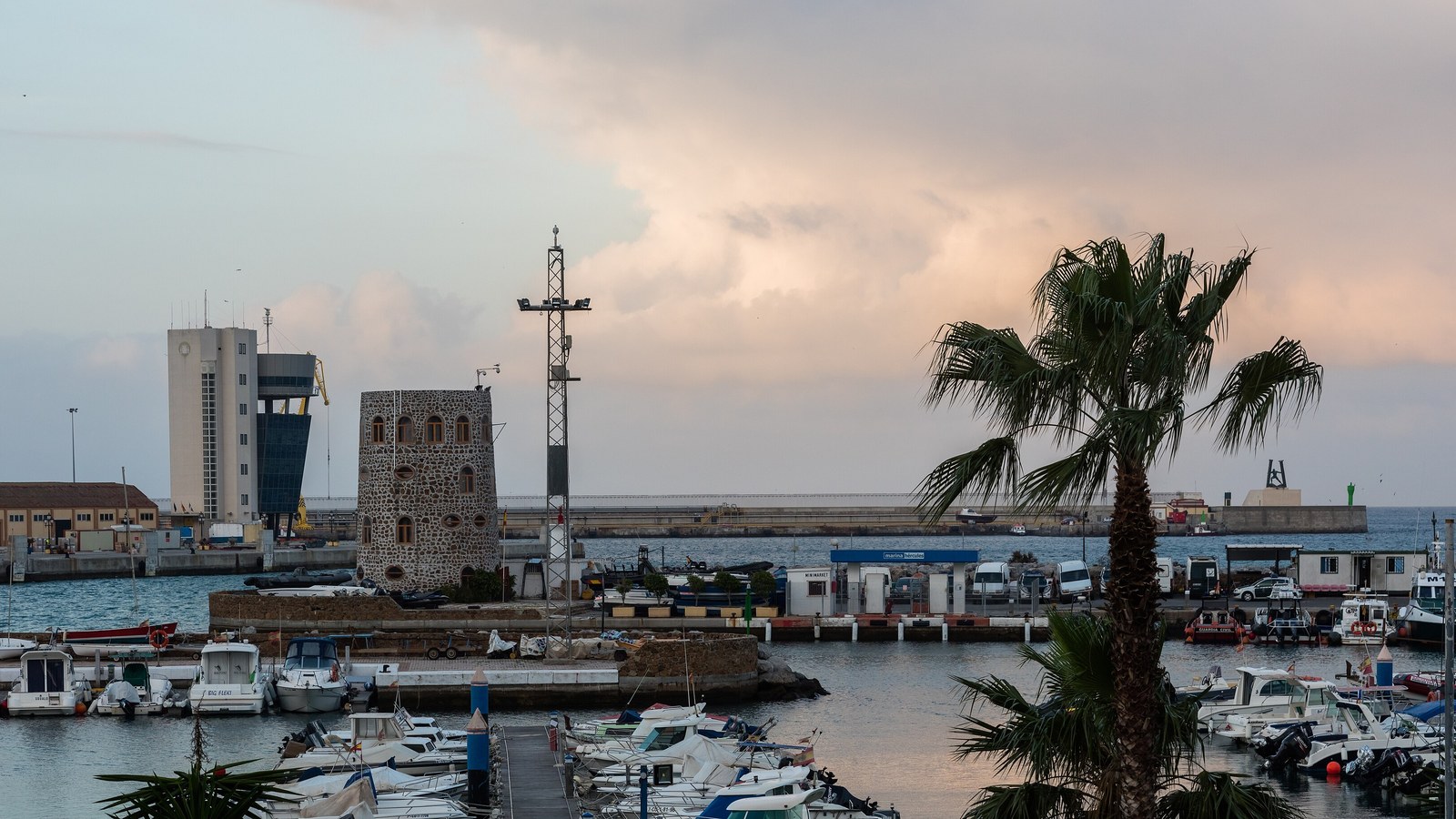
Image: Diego Delso, the port of Ceuta, 10 December 2015, CC BY-SA 4.0, Wikimedia Commons. The photograph shows the harbour, not the Parador speech of 13 October 2026.
Sources consulted: King of Spain in Ceuta: sovereignty and territorial integrity are not negotiable — EL PAÍS English; Spain's King Felipe says 'good faith' needed in relations with Morocco after Ceuta migration crisis — AP; Full text of the King’s speech in Ceuta — EL PAÍS.











0 Comments
No comments on this article yet. Be the first!