


The Protocol against the Illicit Manufacturing of and Trafficking in Firearms, Their Parts and Components and Ammunition, supplementing the United Nations Convention against Transnational Organized Crime, was adopted by the General Assembly in resolution 55/255, in New York, on 31 May 2001, the Arabic, Chinese, English, French, Russian and Spanish texts being equally authentic. Depositary: the Secretary-General. It is not the Palermo Convention of 15 November 2000, which it supplements, and not the other two protocols in resolution 55/25. Article 17: open for signature at United Nations Headquarters from the thirtieth day after adoption until 12 December 2002. It entered into force on 3 July 2005.
The preamble recognizes the harmful effects of illicit manufacturing and trafficking on security, development and the right to live in peace, and the principle of self-determination. Article 1: the Protocol supplements the Convention and shall be interpreted together with it; the offences in Article 5 are offences established in accordance with the Convention. Article 2: the purpose is to promote, facilitate and strengthen cooperation to prevent, combat and eradicate those activities. Article 4: it applies to prevention, investigation and prosecution where the offences are transnational in nature and involve an organized criminal group; it shall not apply to state-to-state transactions or to state transfers where application would prejudice action in the interest of national security, consistent with the Charter.
Article 5, at framework level: each party shall criminalize, when committed intentionally, illicit manufacturing, illicit trafficking and falsifying or illicitly obliterating the markings required by Article 8, plus attempt, complicity and organizing, according to its legal system. A weapons catalogue, a conversion guide or a marking handbook is not transcribed. Article 6: confiscation, seizure and, as a rule, destruction of illicit items, with an exception for other officially authorized disposal. Article 7: maintenance, for not less than ten years, of information necessary for identification. Article 8: unique marking at manufacture and, where applicable, on import or on transfer from government stocks to permanent civilian use, for identification; serial-number procedure is not set out here.
Article 10: a system of export, import and transit licensing or authorization, at framework level, not a form. Article 13: bilateral, regional and international cooperation and a national point of contact. Article 16: negotiation, then arbitration and, with a possible reservation, the International Court of Justice. Article 18: it enters into force on the ninetieth day after the fortieth instrument, not before the Convention; an instrument of a regional organization shall not be counted as additional. Article 20: denunciation effective after one year. Article 21: depositary and languages.
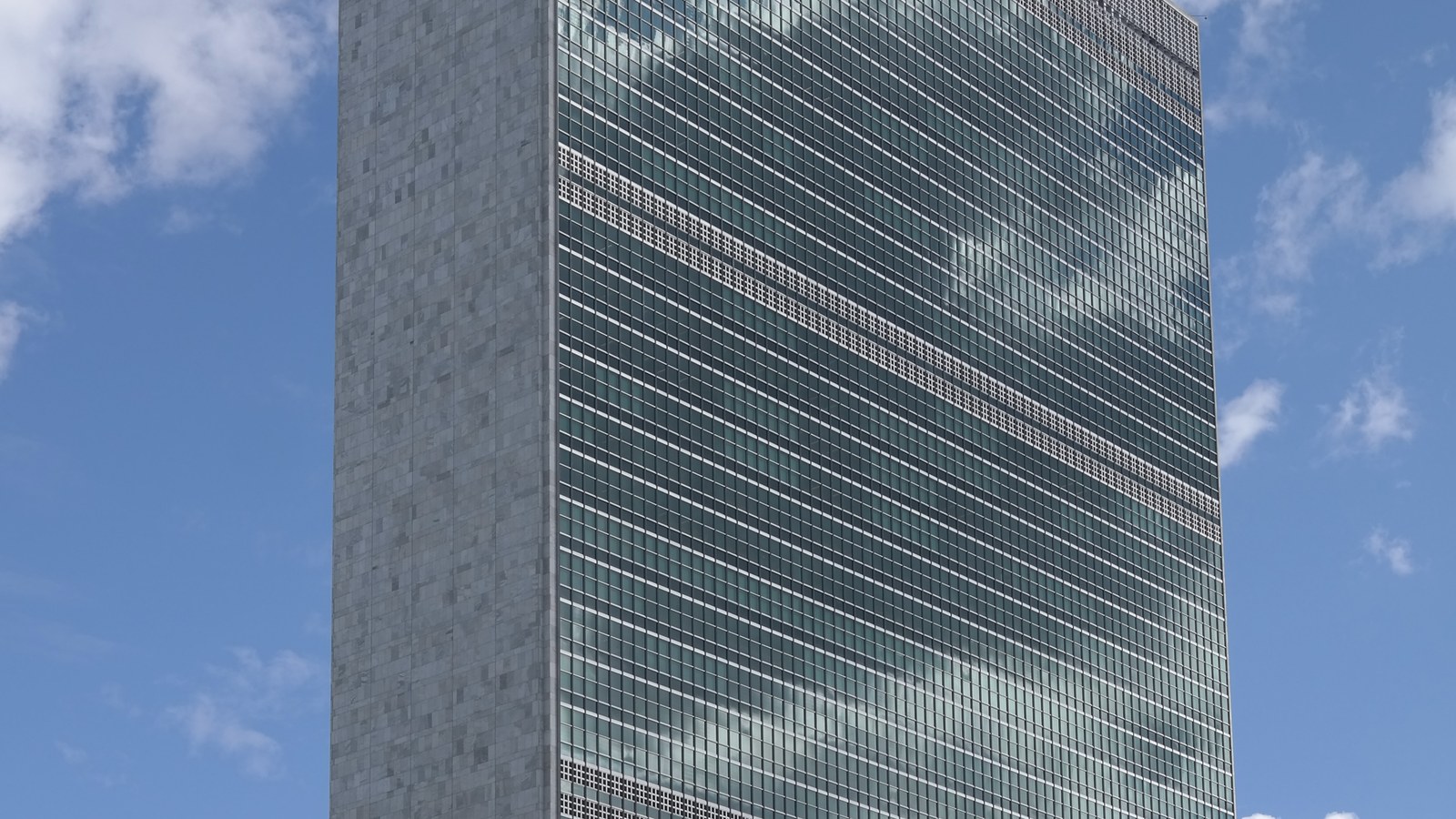
Cover: United Nations Headquarters in New York, place of adoption; we do not claim the hall. Wikimedia Commons, free licence.
Sources consulted: Protocol Against the Illicit Manufacturing of and Trafficking in Firearms; Protocol against the Illicit Manufacturing of and Trafficking in Firearms, Their Parts and Components and Ammunition (UNODC).











0 Comments
No comments on this article yet. Be the first!