


After the Peace of Paris of 1763, Vergennes looked for a revenge on Great Britain. The Continental Congress sent, in 1776, a commission with a Model Treaty of reciprocal trade, without French troops. Franklin, famous in Paris, drew a secret loan and arms through Beaumarchais’s channels, while Vergennes waited on Spain. Washington’s defeats in New York postponed the alliance. Saratoga, in October 1777, and the rumour of British offers of reconciliation persuaded Louis XVI to open talks. Congress rejected, in January, the London settlement.
On the same day were signed, on 6 February 1778, in Paris, the Treaty of Amity and Commerce — the first formal recognition of the United States by a European power — and the Treaty of Alliance, plus a separate and secret act for other allies, Spain first. For the king: Conrad Alexandre Gérard, royal syndic of Strasbourg and secretary of the Council of State. For the United States: Franklin, Silas Deane and Arthur Lee. The original text is French; the English version is signed with it. Ratifications within six months.
If war broke out between France and Britain during the American war, the cause became common. The essential end: the liberty, sovereignty and independence, absolute and unlimited, of the United States, in government as in commerce. Neither a truce nor a peace with Britain without the formal consent of the other; arms were not to be laid down until independence was assured, formally or tacitly, by the treaties ending the war. No later claim of compensation, whatever the event of the war.
If the Americans took the British north or Bermuda, the land would join the Confederation. The king forever renounced Bermuda and the North American continent held by the British Crown before 1763. Islands in the Gulf of Mexico, if France took them, would remain with the French Crown. Mutual guarantee, forever: the United States for French possessions in America, France for the independence and conquests of the Confederation. The guarantee took effect at a Franco-British rupture. Other powers injured by England might accede.
On 13 March France informed London; four days later Britain declared war. Aranjuez, on 12 April 1779, brought Spain to France’s side. At Yorktown, in October 1781, Rochambeau and de Grasse held the end with Washington. The Peace of Paris, in 1783, closed the fighting; the Americans negotiated separately, to Paris’s displeasure. Washington kept the treaty alive after Louis’s execution, but the Neutrality Proclamation and the Genet affair emptied it of military force. Congress annulled it on 7 July 1798; the Convention of Mortefontaine, in 1800, abrogated it after the Quasi-War.
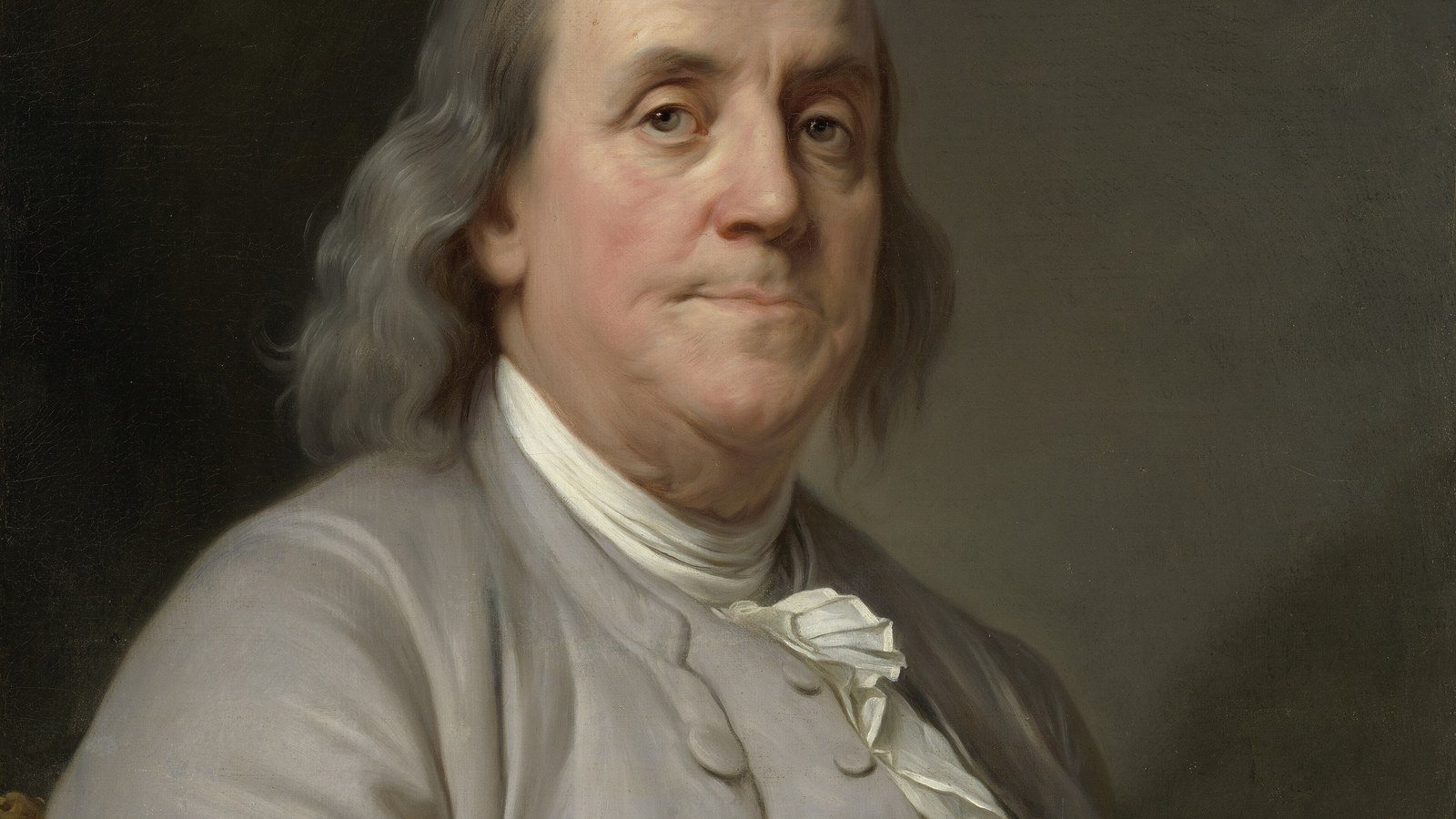
Duplessis’s portrait, of 1778, shows Franklin as plenipotentiary in Paris, not the signing table. The original treaty is at the National Archives.
The alliance took the colonial war onto the European stage. It lasted until the two republics no longer wanted a perpetual guarantee.
Sources: Treaty of Alliance (1778); Avalon Project, Treaty of Alliance Between The United States and France; February 6, 1778.











0 Comments
No comments on this article yet. Be the first!