


On 11 February 1925, at Geneva, the British Empire (with India), France, Japan, the Netherlands, Portugal and Siam signed the Agreement concerning the Suppression of the Manufacture of, Internal Trade in, and Use of, Prepared Opium — the official UNTC title, not the “protocol” of the Wikipedia infobox. China is named in the preamble; the UKTS signature line is blank, and the UNTC ratification list does not include it. The agreement is supplementary to Chapter II of The Hague International Opium Convention of 23 January 1912 and applies only to Far Eastern possessions and territories in which the use was still temporarily authorised. The International Opium Convention, signed at Geneva eight days later, is a distinct instrument.
Authentic texts: French and English. A single copy, deposited with the Secretariat of the League of Nations. Article 14: ratification; entry into force on the 90th day after the second ratification. UNTC: 28 July 1926, after the British and Indian ratifications of 17 February 1926 and the French ratification of 29 April 1926; registration LNTS volume 51 No. 1239. Japan ratified on 10 October 1928; the Netherlands on 1 March 1927, including the Netherlands Indies; Portugal on 13 September 1926; Siam (Thailand) on 6 May 1927, with reservations to Article 1(3)(a) and Article 5.
Article 1: importation, sale and distribution — apart from the retail trade in Article 1(3) — shall be a government monopoly; the right shall not be leased or delegated. Making for sale shall also become a monopoly as soon as circumstances permit. This is not a production handbook. Article 13: the agreement does not apply to the metropolitan territories, but to Far Eastern possessions, including leased or protected territories; at ratification a protectorate may be excluded and acceded to later by notification.
Article 2 prohibits sale to minors. Article 3 bars minors from smoking houses where those exist. Article 4 requires the number of retail shops and houses to be limited as much as possible. Article 11: the provisions do not apply to opium destined solely for medical and scientific purposes. Article 7: school instruction and literature to discourage use, except where a government considers such measures undesirable under local conditions.
Article 8: direct exchange of information between the heads of the services, to assist one another against illicit traffic — without routes or procedures. Article 10: figures on the number of consumers, sent to the Secretary-General of the League for publication. Article 12: joint review; the first meeting at latest in 1929. The protocol signed the same day is an annexed instrument, not the agreement itself: it recognises Article 6 of The Hague Convention and ties stricter measures to export control in the producing countries.
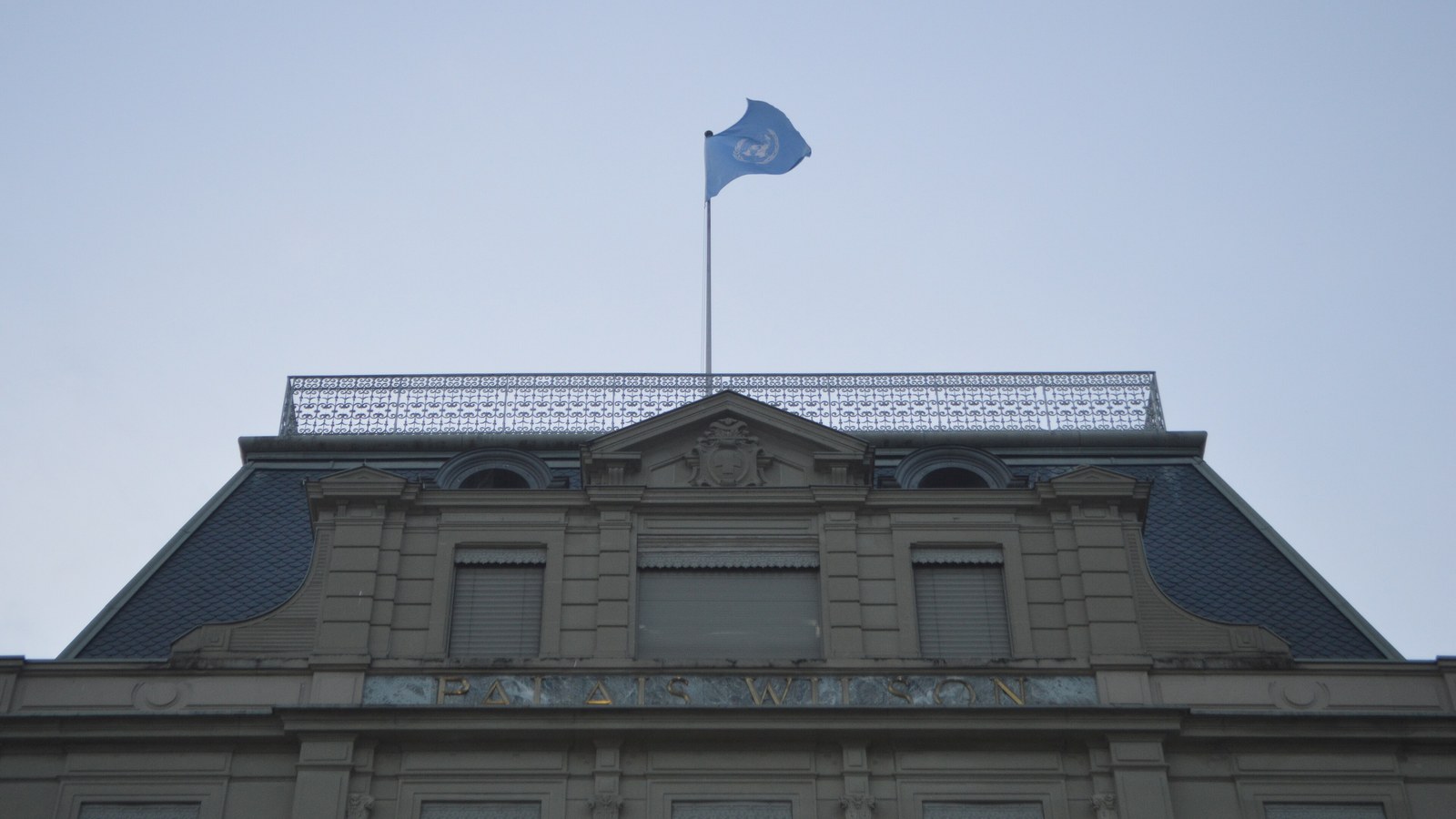
The Single Convention on Narcotic Drugs, 1961, as amended, terminates and replaces, as between the parties, this agreement, under Article 44 and the UNTC note. The instruments DONE formula is not copied. Palais des Nations, opened in the 1930s, was not yet the seat; the League Secretariat then worked at Palais Wilson.
Cover: Palais Wilson in Geneva, then the League Secretariat headquarters — the photograph is of the building, not the signing table. Wikimedia Commons, free licence.
For context: Agreement concerning the Manufacture of, Internal Trade in and Use of Prepared Opium. The text: Agreement concerning the Manufacture of, the Internal Trade in, and the Use of Prepared Opium (UK Treaty Series).











0 Comments
No comments on this article yet. Be the first!