


On 26 October 2007, in Paris, the Agreement on the Conservation of Gorillas and Their Habitats was opened for signature, concluded under Article IV, paragraph 3, of the Bonn Convention on Migratory Species (CMS, 1979). It is not the Bonn Convention itself, and it is not the 2015 Paris climate agreement. The text had been adopted by consensus on 24 October at the Muséum national d'Histoire naturelle, after negotiations from 22 to 24 October hosted by France. The same day, during the Congo Basin Forest Partnership meeting, the Central African Republic and the Republic of the Congo (Minister Henri Djombo) signed without reservation. The Agreement remains open in Paris until 25 April 2008; accession follows. The English and French texts are equally authentic. Depositary: the CMS Secretariat.
Article I: the geographic scope is the range of all species and sub-species of the genus Gorilla, Annex 1 — Angola, Cameroon, the Central African Republic, the Republic of the Congo, the Democratic Republic of the Congo, Equatorial Guinea, Gabon, Nigeria, Rwanda and Uganda. “Gorillas” means the whole genus. It is a CMS AGREEMENT, not a memorandum. Article II: co-ordinated measures to maintain or restore a favourable conservation status; the precautionary principle. The Action Plan, Article VIII, covers habitat, human activities, research, education, disease, local-community development and human–gorilla conflict.
Article III: the same strict duties as Article III, paragraphs 4 and 5, of CMS, but without the exceptions in paragraph 5(a)–(d) — so without the usual taking derogations. Parties identify sites, protect, manage, rehabilitate and restore them; maintain or re-establish a network of habitats, including transboundary ones; co-ordinate the eradication of poaching; reinforce the judiciary and law-enforcement agencies; support initiatives against Ebola and other infectious diseases; prevent human–gorilla conflict through land-use planning, with humane measures; harmonise legislation; train staff for surveys and forest management; research biology and ecology; raise public awareness. In humanitarian emergencies, relief agencies must take account of environmental impact.
Article IV: a national authority and a focal point; reports at each ordinary session of the Meeting of the Parties, 120 days in advance, starting from the second session; budget contributions by consensus; a conservation fund from voluntary contributions. Article V: the Meeting of the Parties is the decision-making body; the first session not later than one year after entry into force; thereafter at intervals of not more than three years, preferably with the CMS Conference. One State, one vote; integration organisations vote with the number of their member Parties, without double counting. Decisions by consensus or a two-thirds majority. Article VI: a Technical Committee — one representative of each Range State, one from GRASP, plus experts in forests, environmental law and wild-animal health.
Article XIV: it enters into force on the first day of the third month after at least three Range States have signed without reservation or deposited instruments — 1 June 2008 (2545 UNTS 45400). Later signatures without reservation within the Paris window: Nigeria (5 March 2008), the DRC and Rwanda (25 April 2008); Gabon acceded on 15 July 2008. No general reservations. Denunciation takes effect after twelve months. The secretariat consults UNESCO, CITES, the CBD, the Lusaka Agreement, the African Convention on Nature, COMIFAC, GRASP and the CBFP. It is not CITES 1973 and not the 2005 Kinshasa GRASP strategy, though the preamble acknowledges them.
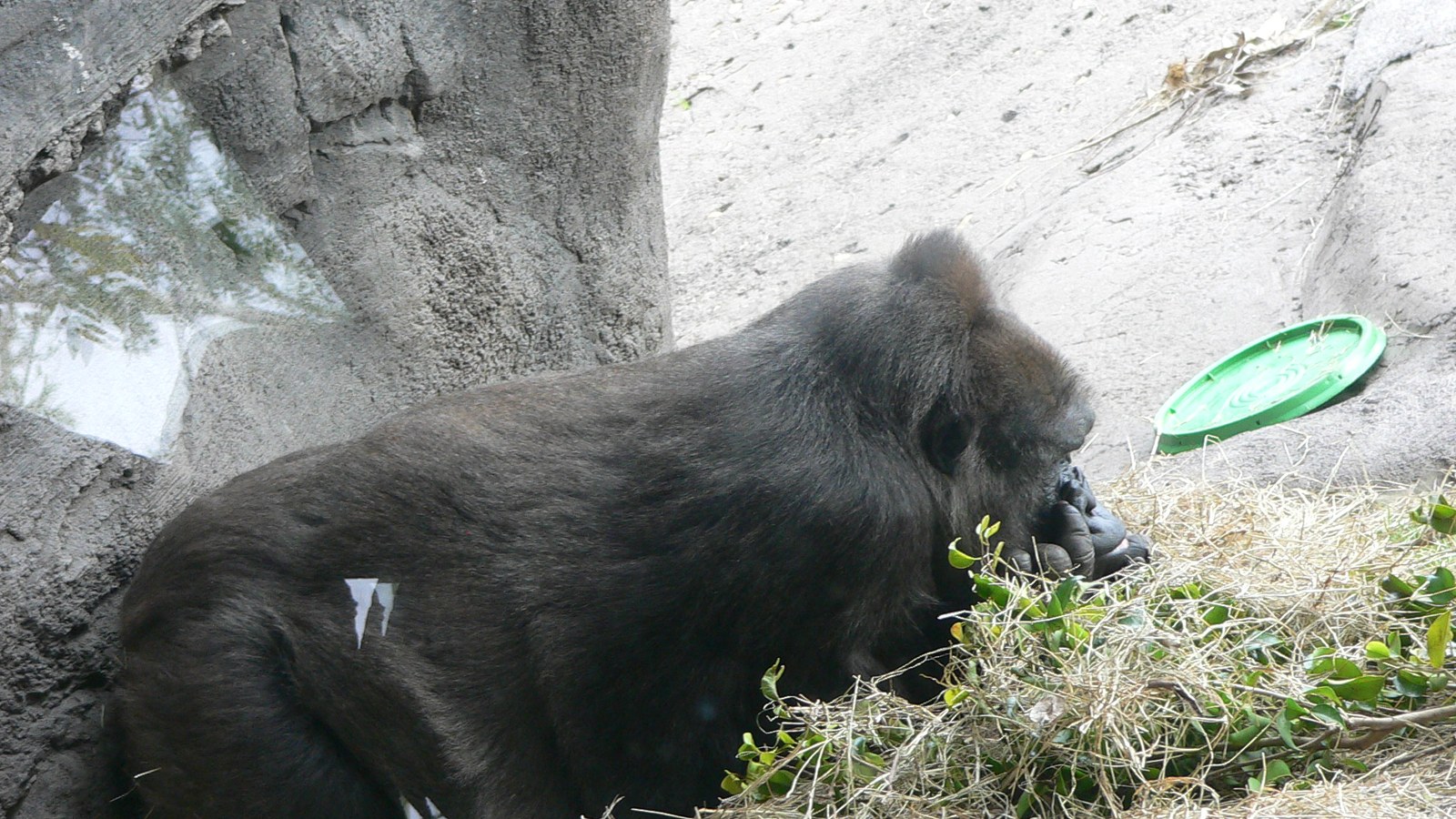
Western lowland gorilla (Gorilla gorilla gorilla), a taxon covered by the Agreement. Not the signing table in Paris. Wikimedia Commons, CC BY-SA 3.0.
For context: Agreement on the Conservation of Gorillas and Their Habitats. The text: Gorilla Agreement (CMS).











0 Comments
No comments on this article yet. Be the first!