


The Convention on the Recognition of Divorces and Legal Separations was concluded at The Hague on 1 June 1970, at the Eleventh Session of the Hague Conference on Private International Law, the English and French texts being equally authentic, in a single copy deposited with the Ministry of Foreign Affairs of the Netherlands. It is not the later Brussels II Regulation in the European Union, and not the 1961 Hague Convention on the protection of minors. Article 27: it enters into force on the sixtieth day after the third instrument of ratification. It entered into force on 24 August 1975, after the ratifications of the United Kingdom, Denmark and Sweden.
The preamble seeks to facilitate the recognition of divorces and legal separations obtained in the parties' territories. Article 1: it applies to recognition in one Contracting State of divorces and legal separations obtained in another which follow judicial or other officially recognised proceedings and which are legally effective there. It does not apply to findings of fault or to ancillary orders, in particular pecuniary obligations or the custody of children. Article 2: recognition is due, subject to the remaining terms, if at the date of the institution of proceedings connecting factors based on habitual residence and nationality were fulfilled. A forum-shopping guide is not set out here.
Article 3: where the State of origin uses domicile as a test of jurisdiction, "habitual residence" includes domicile, with one exception. Article 6: where the respondent has appeared, the State addressed is bound by the findings of fact on which jurisdiction was assumed; recognition shall not be refused because internal law would not allow divorce on the same facts or because another law was applied, and the merits shall not be examined. Articles 7–10: recognition may be refused if both parties were nationals of States which did not provide for divorce, if notice was inadequate, if it is incompatible with a previous decision on matrimonial status, or if it is manifestly contrary to public policy.
Article 11: a State obliged to recognise a divorce may not preclude remarriage on the ground that the law of another State does not recognise that divorce. Article 17: it does not prevent more favourable internal rules of recognition. Article 26: open for signature by the States represented at the Eleventh Session; ratification deposited with the Dutch depositary. Article 28: accession after entry into force, effective only vis-à-vis States that accept the accession. Article 30: five years, tacit renewal, denunciation six months before the end of the period. Article 25: only the reservations in Articles 19, 20, 21 and 24 are permitted.
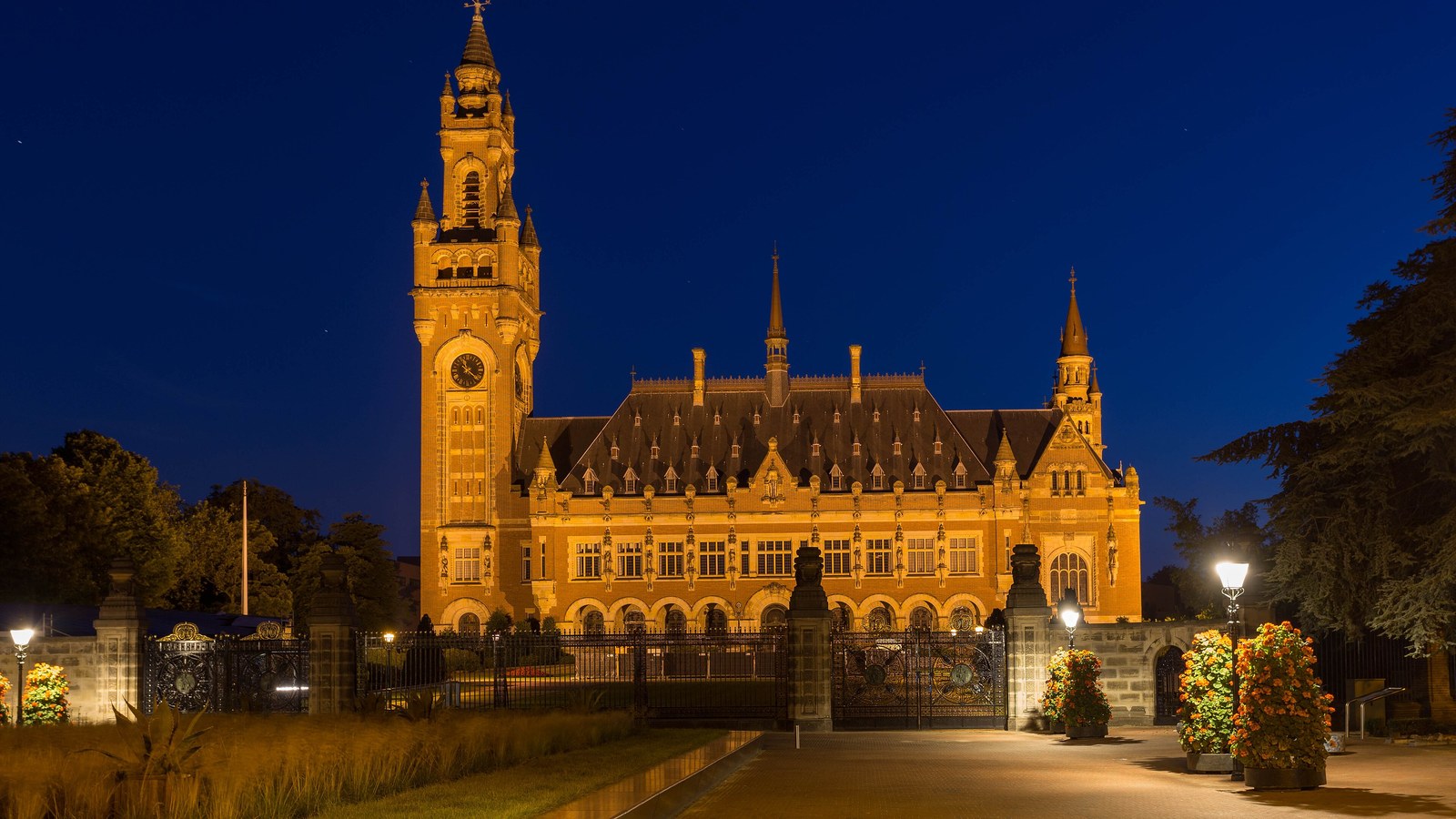
Cover: the Peace Palace in The Hague, seat of the Conference; we do not claim the hall. Wikimedia Commons, free licence.
Sources consulted: Hague Divorce Convention; Convention on the Recognition of Divorces and Legal Separations (HCCH).











0 Comments
No comments on this article yet. Be the first!