


The United Nations Convention on the Carriage of Goods by Sea, known as the Hamburg Rules, was opened for signature at Hamburg on 31 March 1978. The diplomatic conference, convened by the Secretary-General under General Assembly resolution 31/100, met in the Hanseatic city in March; the text was adopted the day before the opening for signature. Done at Hamburg, in a single original; depositary: the Secretary-General. United Nations Treaty Series, volume 1695, registration no. 29215. Authentic languages: Arabic, Chinese, English, French, Russian and Spanish. It is not the 1924 Brussels Convention (the Hague Rules) and not the 1968 Visby Protocol.
Article 1 defines carrier, actual carrier, shipper, consignee, goods (including live animals and, on the terms there, a container supplied by the shipper), contract of carriage by sea and bill of lading. Article 2: contracts between two different States if the port of loading or discharge is in a Contracting State, if the document is issued there, or if the parties choose the Convention; without regard to the nationality of the ship. Charter-parties are excluded, but a bill of lading issued under a charter-party is covered as against a holder who is not the charterer.
Article 4: responsibility covers the period the carrier is in charge of the goods at the port of loading, during the carriage and at the port of discharge — wider than the Hague Rules “tackle to tackle” formula. Article 5: presumed fault or neglect, with the burden of proof on the carrier, if the occurrence took place while the goods were in his charge; the conference’s common understanding states that principle. The fire and live-animal exceptions are not transcribed as a litigation handbook.
Article 6: limits in special drawing rights per package or per kilogramme of gross weight, whichever is higher, plus a separate cap for delay; article 26 ties the unit of account to the IMF SDR. Article 9 permits deck carriage if there is agreement, usage of the particular trade, or a legal requirement — relevant for containers. Articles 14–16: issue and evidential effect of the bill of lading. Article 23: stipulations that derogate to the detriment of the shipper or consignee are null.
Article 27: the depositary. Article 28: open for signature by all States, then at United Nations Headquarters in New York, until 30 April 1979; thereafter accession. Article 29: no reservations. Article 30: entry into force on the first day of the month following the expiration of one year from the twentieth instrument — 1 November 1992. Article 31 requires denunciation of the 1924 Brussels Convention, with a deferral of at most five years. The later Rotterdam Rules are not in force.
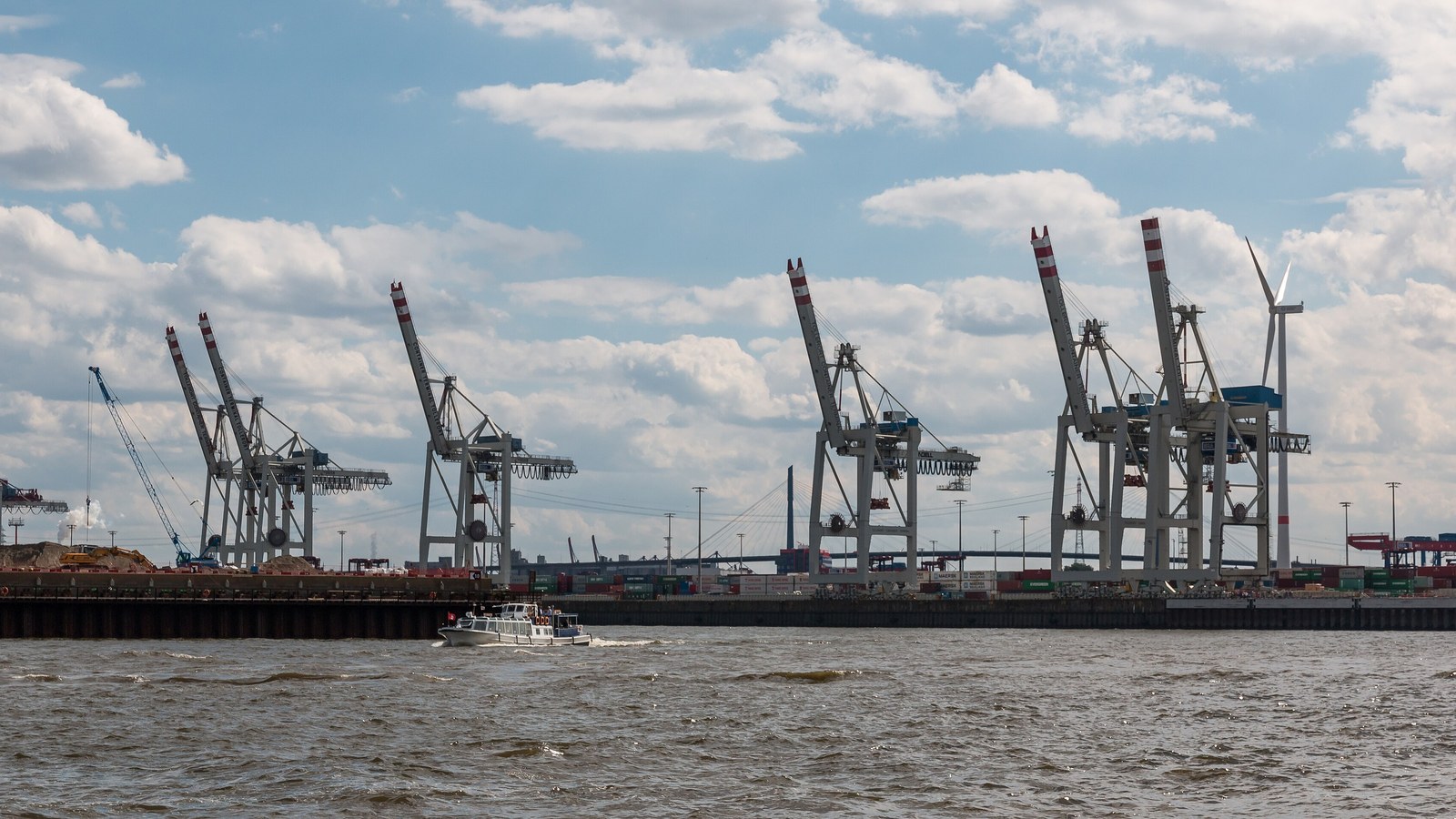
Cover: the port of Hamburg on the Elbe; the place of the conference, with no plenary hall claimed. Wikimedia Commons, free licence.
Sources consulted: Hamburg Rules; United Nations Convention on the Carriage of Goods by Sea, 1978 (UNTC).











0 Comments
No comments on this article yet. Be the first!