


The Clayton–Bulwer Treaty of 1850 bound the United States and Great Britain not to build an interoceanic canal under the sole control of either. In the United States public irritation grew; in London influence in Central America was fading, and Germany looked like a counterweight to be avoided. British diplomats received liberal instructions: concede whatever did not nullify the essential principle of neutral access.
A first draft, sent to the Senate by William McKinley on 5 February 1900, allowed construction under American direction but imposed permanent neutralization on the Suez model — open at all times, without discrimination, without fortifications — and invited other powers to join the guarantee. The Senate, by Henry G. Davis’s amendment, ratified on 20 December 1900 a version that kept the United States’ right to take measures of defence, declared Clayton–Bulwer abrogated and struck the invitation to third parties. London refused; the treaty expired on 5 March 1901.
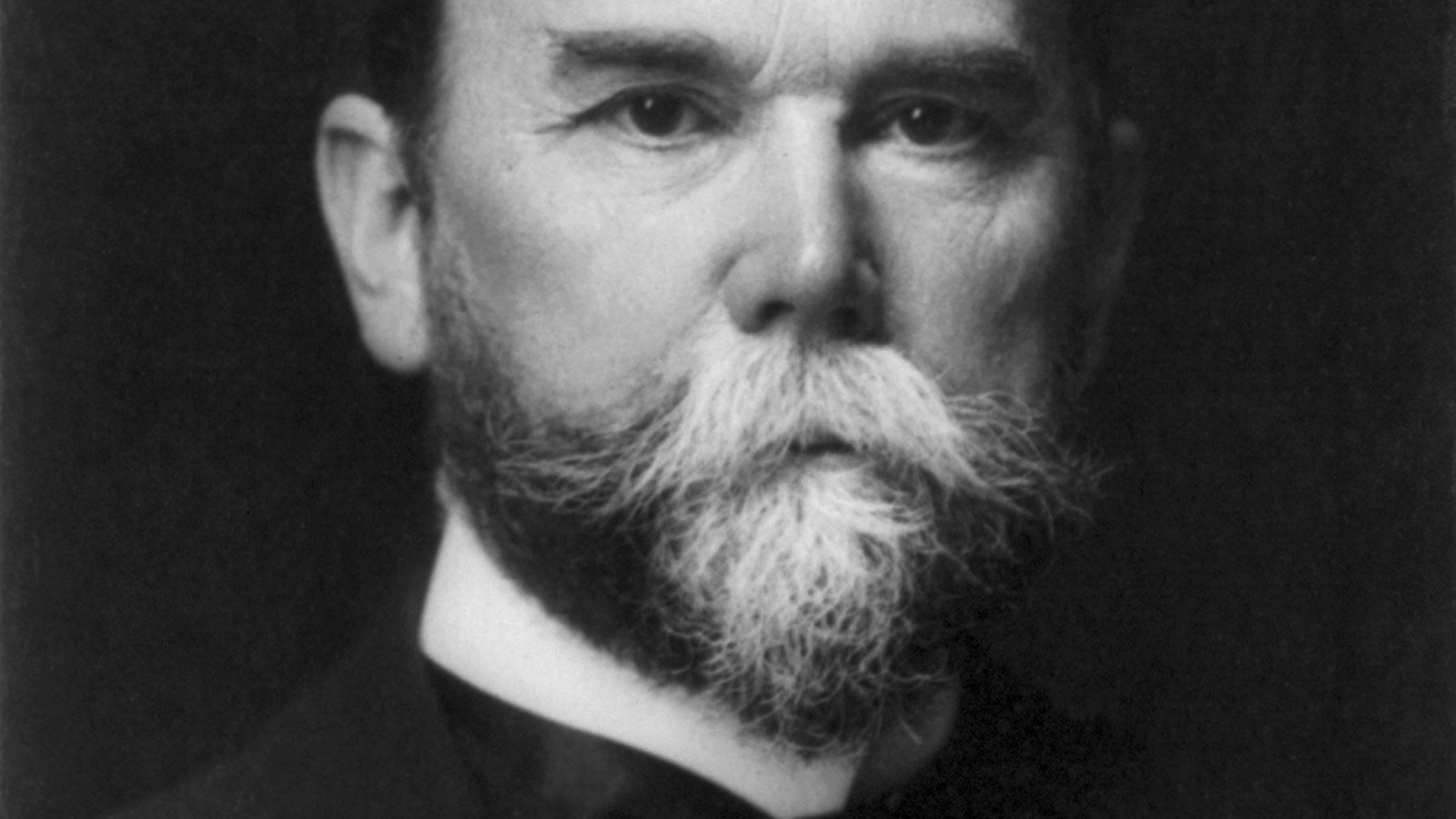
The Hay–Pauncefote Treaty was signed on 18 November 1901 by Secretary of State John Hay and the British ambassador Lord Pauncefote. Theodore Roosevelt sent it to the Senate, which ratified it on 16 December. The final form abrogated Clayton–Bulwer, did not forbid fortifications and did not require the canal to be kept open in time of war. It ceded to the United States the right to build and manage a canal across the isthmus, with access for all nations, and provided that it should never be taken by force.
Britannica distinguishes the two agreements: that of 5 February 1900, rejected, and that of 18 November 1901, ratified by both governments, which gave the United States a free hand, releasing it from the earlier commitment to accept international control of the canal. Hay negotiated both rounds; Pauncefote was the instrument of the British concession.
Before the Panama Canal opened to traffic on 15 August 1914, a controversy over tolls broke out. The Panama Canal Act of 1912 exempted American coast-to-coast vessels. Sir Edward Grey protested: Article VIII of Clayton–Bulwer, kept as a principle, guaranteed England complete equality. Taft signed the Act on 24 August; Grey pressed for arbitration on 27 February 1913. American opinion mostly saw interference with sovereignty; a minority, led by Elihu Root, thought Grey was on solid ground.
Wilson asked Congress on 5 March 1914 to repeal the exemption, as a plain breach of the treaty. His own party, bound by the 1912 platform, opposed him; the president nevertheless forced the withdrawal, with a reservation that the United States might exempt ships in future. He signed the revision on 15 June 1914. The toll became 90 cents per cargo ton, the same for every flag. The canal opened two months later, on the footing of 1901.
Sources: Hay–Pauncefote Treaty; Encyclopaedia Britannica, Hay–Pauncefote Treaty.











0 Comments
No comments on this article yet. Be the first!