


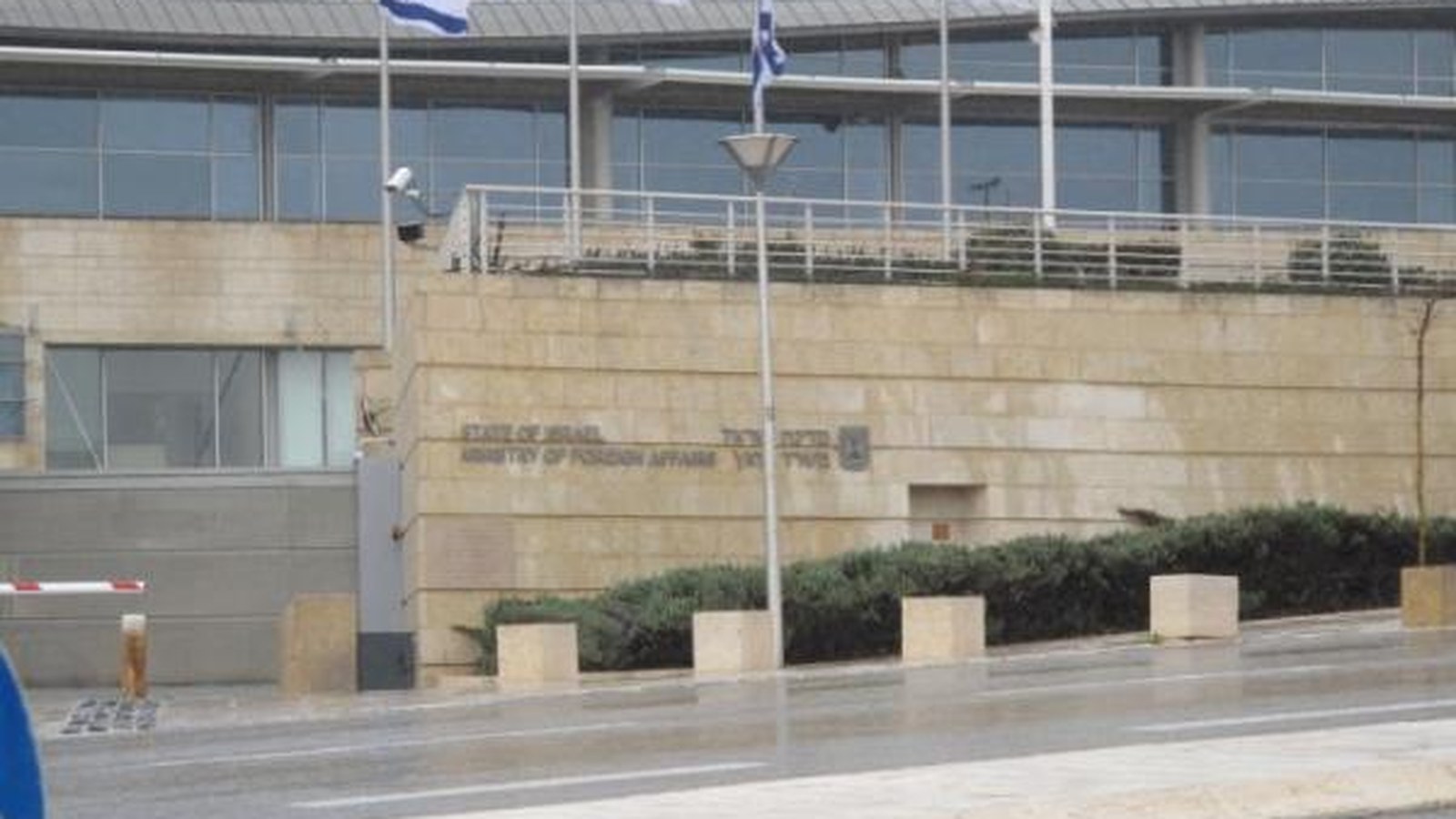
On 30 December 1993, in Jerusalem, the Fundamental Agreement between the Holy See and the State of Israel was signed. Two originals, equally authentic English and Hebrew texts; in case of divergency the English text shall prevail. Signatories: Mgr Claudio M. Celli for the Holy See, Dr Yossi Beilin for the Government of the State of Israel. Article 15: it enters into force on the date of the latter notification of ratification. Entry into force: 10 March 1994 (AAS 86, 1994). Registration: UNTS 30925, volume 1775. The preamble recalls the Bilateral Permanent Working Commission, decided on 29 July 1992.
Article 1: Israel, recalling its Declaration of Independence, affirms its continuing commitment to freedom of religion and conscience as set forth in the Universal Declaration of Human Rights. The Holy See, recalling Dignitatis humanae, affirms the same commitment and, through Nostra aetate, the Catholic Church’s respect for other religions. Article 2: cooperation in combatting antisemitism, racism and religious intolerance; the Holy See reiterates its condemnation of hatred and persecution directed against the Jewish people and individual Jews anywhere, at any time and by anyone, and deplores attacks on synagogues and cemeteries, which offend the memory of the victims of the Holocaust.
Article 3: each Party is free in the exercise of its respective rights and powers. Israel recognizes the right of the Catholic Church to carry out its religious, moral, educational and charitable functions, to have its own institutions and to train, appoint and deploy its personnel; the Church recognizes the right of the State to promote and protect the welfare and safety of the people. Article 3(3): Catholic legal personality at canon law will be negotiated so as to give it full effect in Israeli law, following a report from a joint subcommission. Article 4: continuing respect for the “Status quo” in the Christian Holy Places to which it applies; protection of the character proper to Catholic sacred places; a continuing guarantee of freedom of Catholic worship.
Articles 5 to 9: Christian pilgrimages, with consultation when coordination is needed; the Church’s right to establish, maintain and direct schools at all levels, in harmony with the rights of the State in education; cultural exchanges and access to manuscripts, in conformity with applicable laws; freedom of expression also through the Church’s own communications media; charitable functions through health-care and social-welfare institutions, likewise in harmony with the rights of the State.
Article 10: the Church’s right to property; the Parties will negotiate in good faith a comprehensive agreement on unclear, unsettled and disputed issues concerning property, economic and fiscal matters; negotiations were to begin within three months of entry into force, aiming at two years. This is not a catalogue of properties. Article 11: commitment to the peaceful resolution of conflicts among States, excluding violence and terror; the Holy See, owing to its own character, is committed to remaining a stranger to all merely temporal conflicts, a principle which applies specifically to disputed territories and unsettled borders. Article 12: continued negotiation on the Agenda agreed in Jerusalem on 15 July 1992 and confirmed at the Vatican on 29 July 1992.
Article 14: upon signature, an exchange of Special Representatives (Additional Protocol: personal rank of Apostolic Nuncio and Ambassador, diplomatic privileges on the basis of reciprocity); following entry into force, full diplomatic relations — Apostolic Nunciature and Embassy. Article 13: the Agreement does not prejudice rights and obligations arising from existing treaties with other States which are known and in fact available to both Parties at signature.
Jerusalem, the place of signature, not the signing room. Wikimedia Commons, free licence.
For context: Fundamental Agreement Between the Holy See and the State of Israel. The text: Fundamental Agreement between the Holy See and the State of Israel.











0 Comments
No comments on this article yet. Be the first!