


Halloween is close. The Food and Environmental Hygiene Department spoke on Sunday, 18 October, not about pumpkins. About dogs. Since 9 July, in Hong Kong, restaurants with a permit may admit dogs to the table. More than 990 premises hold the permit. Without it, a dog in the room is an offence for the operator and for the owner. Since the scheme launched, the FEHD has brought 20 prosecutions against restaurants that let dogs in without a permit. Seven people, for bringing them into non-permitted premises. Four, in permitted ones, for failing to keep a secure leash. That is the figure. It is not a list of collected fines. They are prosecutions. The premises’ names, in the statement, are not given.
SCMP put the number on Halloween: check the permit before you walk in with the animal. The FEHD spokesman: a “pragmatic and flexible” approach after a one-month adaptation, risk-based inspections, a balance between pet inclusivity and food hygiene. Then: decisive action on breaches. Operators without a permit must not let dogs in. The public who bring them in also commit an offence. RTHK repeated the same 20, 7 and 4, also on 18 October.
Where there is a permit: no open-flame cooking at the table. No fighting dogs or known dangerous dogs. No dogs in food rooms. The leash, held by an adult, no more than 1.5 metres, or the animal tethered to a fixture. The owner controls the dog at all times. The list of premises is on the FEHD page. Inspections continue.
The scheme did not open the door to all. It opened it where it is permitted. Anyone who confuses 990 with 20 turns an authorisation into an amnesty. Anyone who confuses a prosecution with a sentence skips the court. Halloween is a reminder, not a season of grace.
In September, at Mid-Autumn, the same department had given the same restaurant count, with two leash prosecutions in the adaptation period. In October the leash count reached four. The restaurants, still 20. The dogs have not left the room. They have moved, where they could, onto the list.
Until a sentence, 20 files remain. After a sentence, what remains is whether the premises had a permit. The list is public. The door, not always.
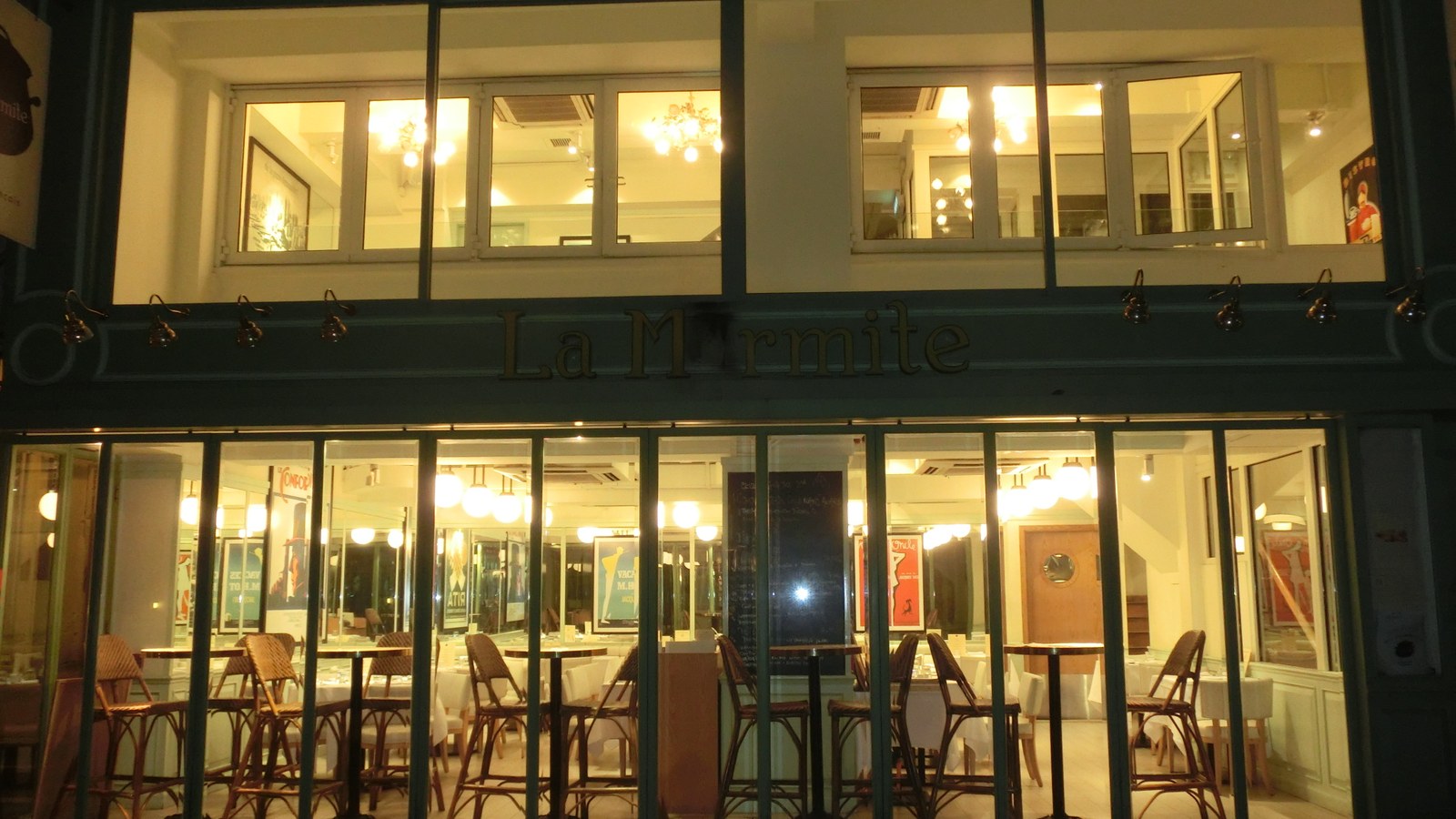
Image: Sumamnyoel, Staunton Street, Soho, Central, Hong Kong, 23 April 2013, CC BY-SA 3.0, Wikimedia Commons. The photograph is of a restaurant street, not one of the 20 prosecuted premises.
Sources consulted: 20 restaurants prosecuted for allowing dogs without permits since scheme launched — South China Morning Post; FEHD reminds public to comply with regulations when dining out with dogs during Halloween — Food and Environmental Hygiene Department.











0 Comments
No comments on this article yet. Be the first!