
Ultraviolet light reaching the ground is mainly UVA and UVB. UVB causes sunburn; UVA goes deeper and takes part in premature ageing. Both matter to skin-cancer risk. Sunscreen reduces the radiation that reaches the skin; it does not cancel it.
Organic filters absorb UV energy and convert it into small amounts of less harmful energy. Zinc oxide and titanium dioxide absorb, scatter and partly reflect; calling them simple mirrors is incomplete, as FDA and public-health guides also note.
SPF is measured in standardised tests and mainly concerns UVB redness. It is not a count of “safe” hours in the sun. Intensity, skin type, how much is applied, sweat and water change real protection. A high SPF does not make up for a thin layer.
For UVA, the broad-spectrum label used in the country of sale matters. Missed patches — ears, neck, uncovered scalp, backs of hands — stay exposed. “Water resistant” is not waterproof all day; reapplication after swimming, sweating or a towel follows the label.
Shade, clothing, a hat, UV glasses and avoiding midday complete the cream. Infants and people on photosensitising medicines need medical advice, not a general article.
This is information, not a prescription. Product instructions and a clinician take priority. NHS, FDA and WHO describe the same principles: generous application, reapplication, broad spectrum.
Sunscreen is one measure, not an absolute shield.
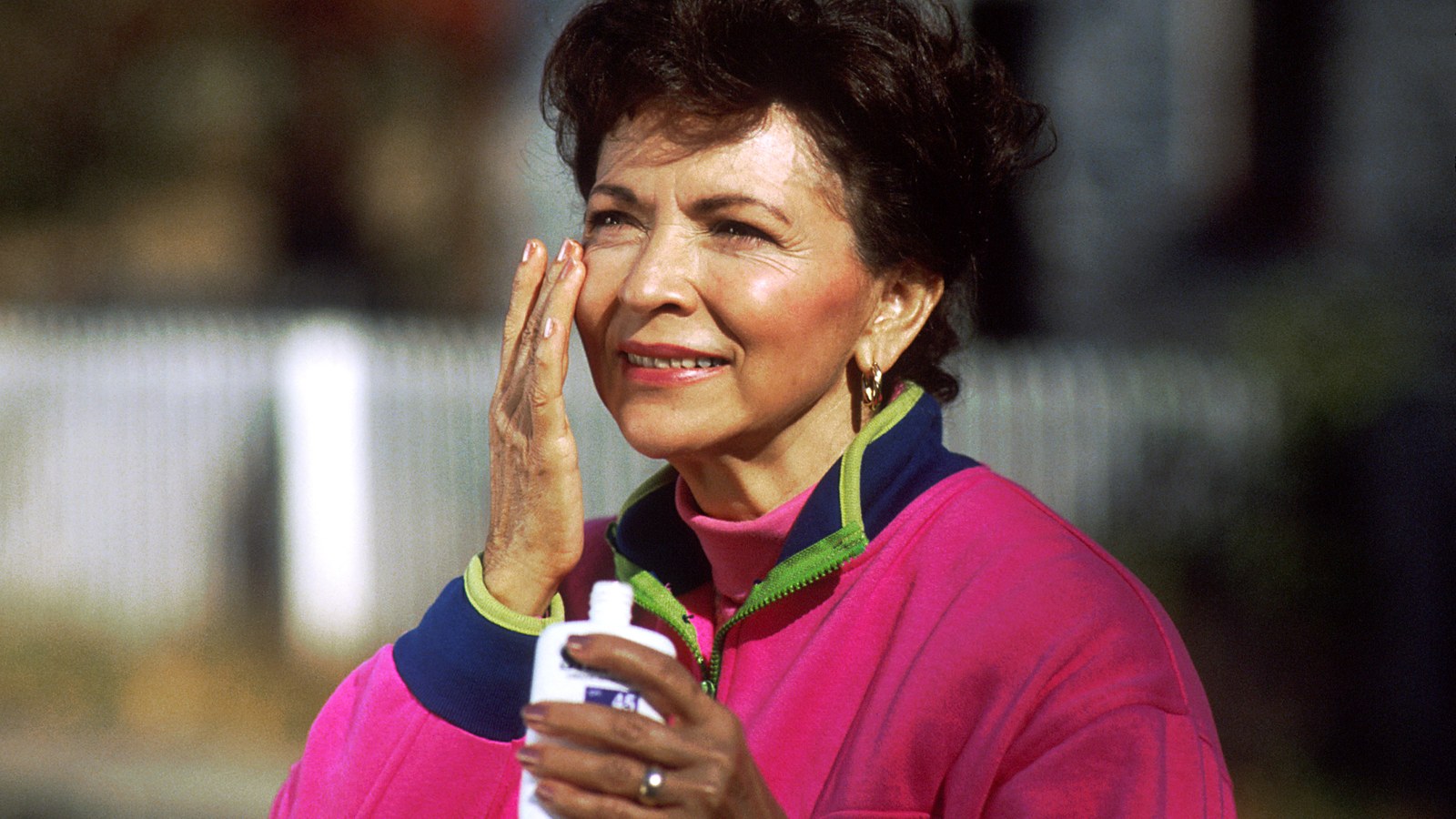
Image: woman applying sunscreen / National Cancer Institute, Bill Branson, Wikimedia Commons. A public demonstration, not a hat-and-shade frame. Cropped to 16:9.
Source consulted: Sunscreen and sun safety | NHS; Sunscreen: How to Help Protect Your Skin from the Sun | U.S. FDA.







0 Comments
No comments on this article yet. Be the first!