


The Abolition of Forced Labour Convention was adopted in Geneva on 25 June 1957 by the International Labour Conference, 40th Session, opened on 5 June, the English and French texts being equally authentic. C105. Depositary: the Director-General of the International Labour Office. It is not the Forced Labour Convention, 1930 (C29), which the preamble recalls, nor the Slavery Convention of 1926, nor the Supplementary Convention of 1956. The ILO adoption formula is the register date.
Article 1, at framework level: each Member which ratifies undertakes to suppress and not to make use of any form of forced or compulsory labour as a means of political coercion or education or as a punishment for holding or expressing political views or views ideologically opposed to the established political, social or economic system; as a method of mobilising and using labour for purposes of economic development; as a means of labour discipline; as a punishment for having participated in strikes; or as a means of racial, social, national or religious discrimination. An investigative or penal handbook is not transcribed.
Article 2: effective measures to secure the immediate and complete abolition of the forms specified in article 1. C105 complements C29; it does not replace it. Forced labour was the fourth item on the session agenda.
Article 3: formal ratifications shall be communicated to the Director-General for registration. Article 4: it binds only Members whose ratifications have been registered; it comes into force twelve months after two ratifications have been registered; for any later Member, twelve months after its own registration. ILO/UNTS: 17 January 1959. Registered by the ILO with the United Nations on 28 January 1959, UNTS 4648, volume 320.
Article 5: denunciation after ten years from the date on which the Convention first comes into force, then successive ten-year periods. Articles 6–7: notifications by the Director-General and registration with the United Nations under Article 102 of the Charter. Article 8: revision by the Conference. Article 9: authentic copies. Article 10: the English and French versions are equally authoritative.
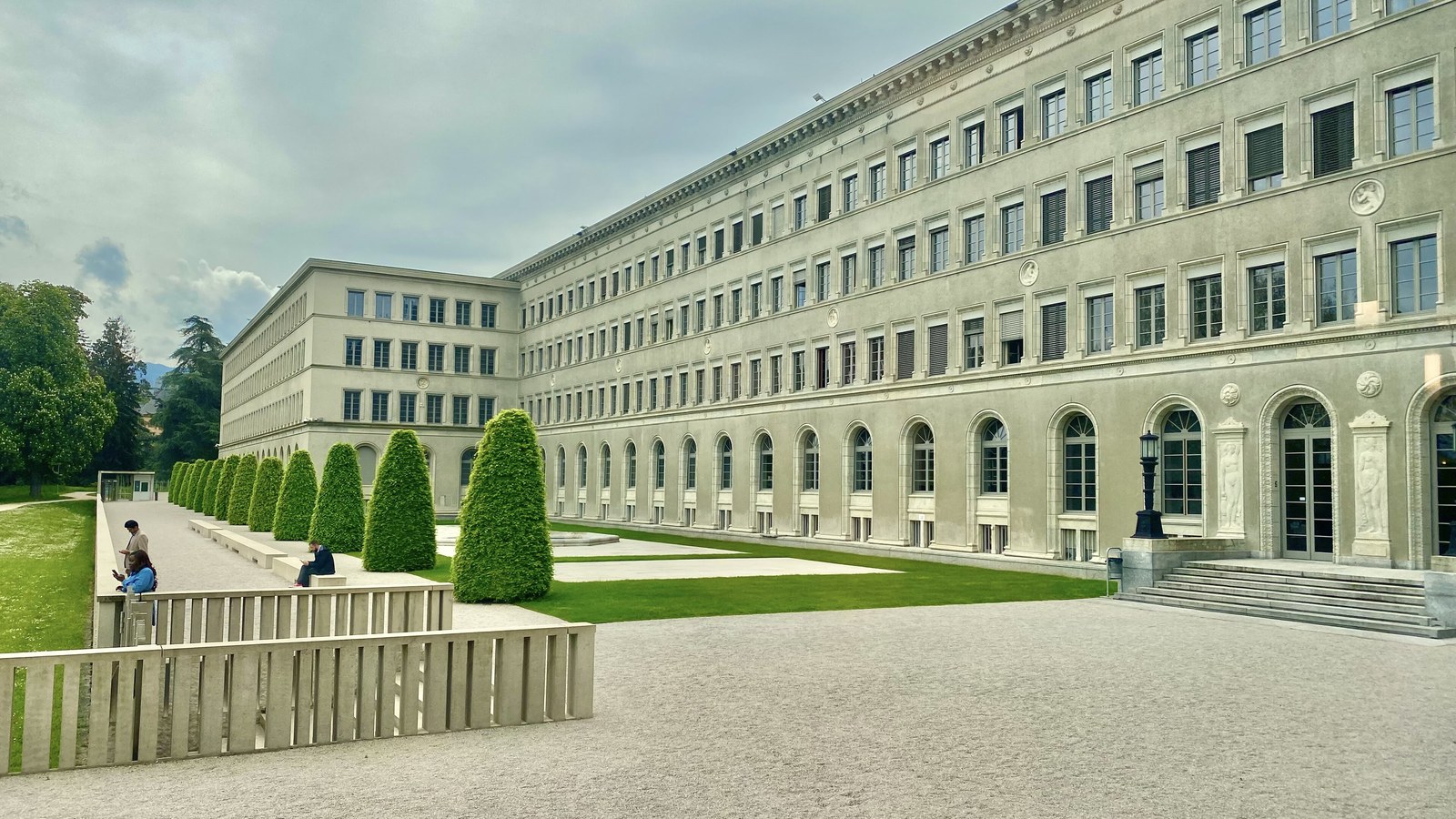
Cover: Centre William Rappard, the ILO headquarters of the conference period, on Lake Geneva; we do not claim the hall. It is not the 1974 ILO building. Wikimedia Commons, free licence.
Sources consulted: Abolition of Forced Labour Convention; Convention (No. 105) concerning the Abolition of Forced Labour (UNTS 4648).











0 Comments
No comments on this article yet. Be the first!