


The Maternity Protection Convention, 2000 (No. 183), was adopted in Geneva on 15 June 2000 by the International Labour Conference, at its 88th Session, which had met from 30 May. The English and French texts are equally authentic. It is not the 1919 Convention (No. 3) and not the revised 1952 Convention (No. 103), which it revises. The preamble invokes CEDAW, the Convention on the Rights of the Child and the ILO declarations on equality and fundamental principles. The Conference was declared closed that day; the President, Mario Alberto Flamarique, and the Director-General, Juan Somavia, authenticated the text the following day.
Article 2: it applies to all employed women, including those in atypical forms of dependent work; a Member may, after consultation, exclude limited categories where application would raise special problems of a substantial nature. Article 3: measures so that pregnant or breastfeeding women are not obliged to perform work determined by the competent authority to be prejudicial to the health of the mother or the child. Article 4: maternity leave of not less than fourteen weeks, including six weeks’ compulsory leave after childbirth unless otherwise agreed at national level; the prenatal portion is extended if birth is delayed, without reduction of any compulsory postnatal leave. A medical protocol is not set out here.
Article 5: additional leave, on a medical certificate, in case of illness or complications. Article 6, at framework level: cash benefits enabling the woman to maintain herself and her child; where based on previous earnings, not less than two-thirds; medical benefits covering prenatal, childbirth and postnatal care, and hospitalization when necessary; financing through compulsory social insurance or public funds, not the individual employer, subject to the stated exceptions. Article 8: it shall be unlawful to terminate employment during pregnancy, leave and a prescribed period after return, except on grounds unrelated to pregnancy or childbirth; the right to return to the same position or an equivalent one. Article 9: maternity shall not constitute a source of discrimination in employment, including a prohibition on requiring a pregnancy test when a woman applies for employment, except as provided by law for certain work.
Article 15: it binds only Members whose ratifications have been registered with the Director-General of the International Labour Office; it comes into force 12 months after the registration of two ratifications; for each subsequent Member, likewise 12 months after its own. It entered into force on 7 February 2002. UNTS No. 38441, volume 2181. The tag used is ILO, not OIT.
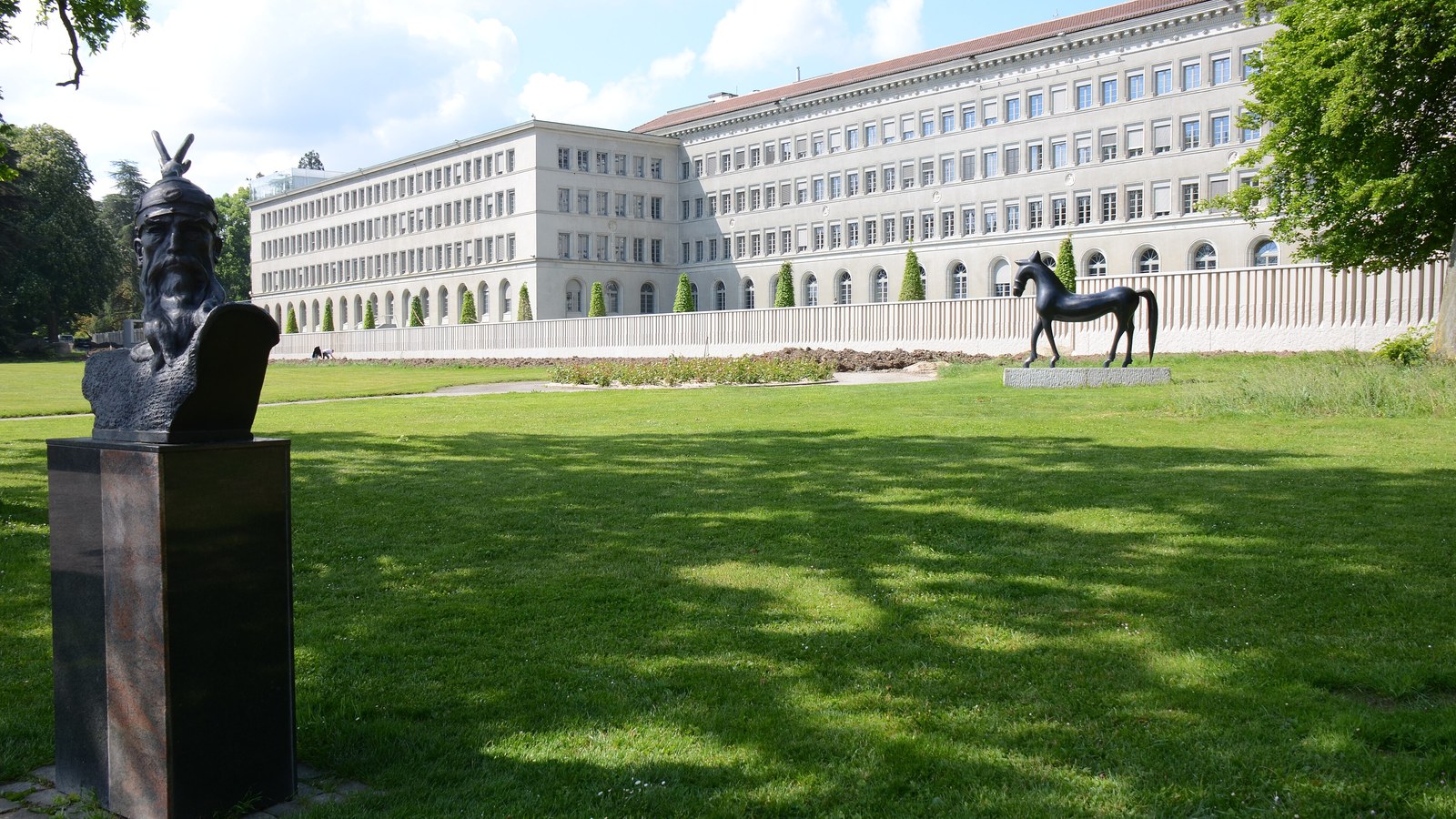
Cover: the ILO headquarters in Geneva, by the lake; we do not claim the conference hall. Wikimedia Commons, free licence.
Sources consulted: Maternity Protection Convention, 2000; Maternity Protection Convention, 2000 (C183, ILO authentic text).











0 Comments
No comments on this article yet. Be the first!