


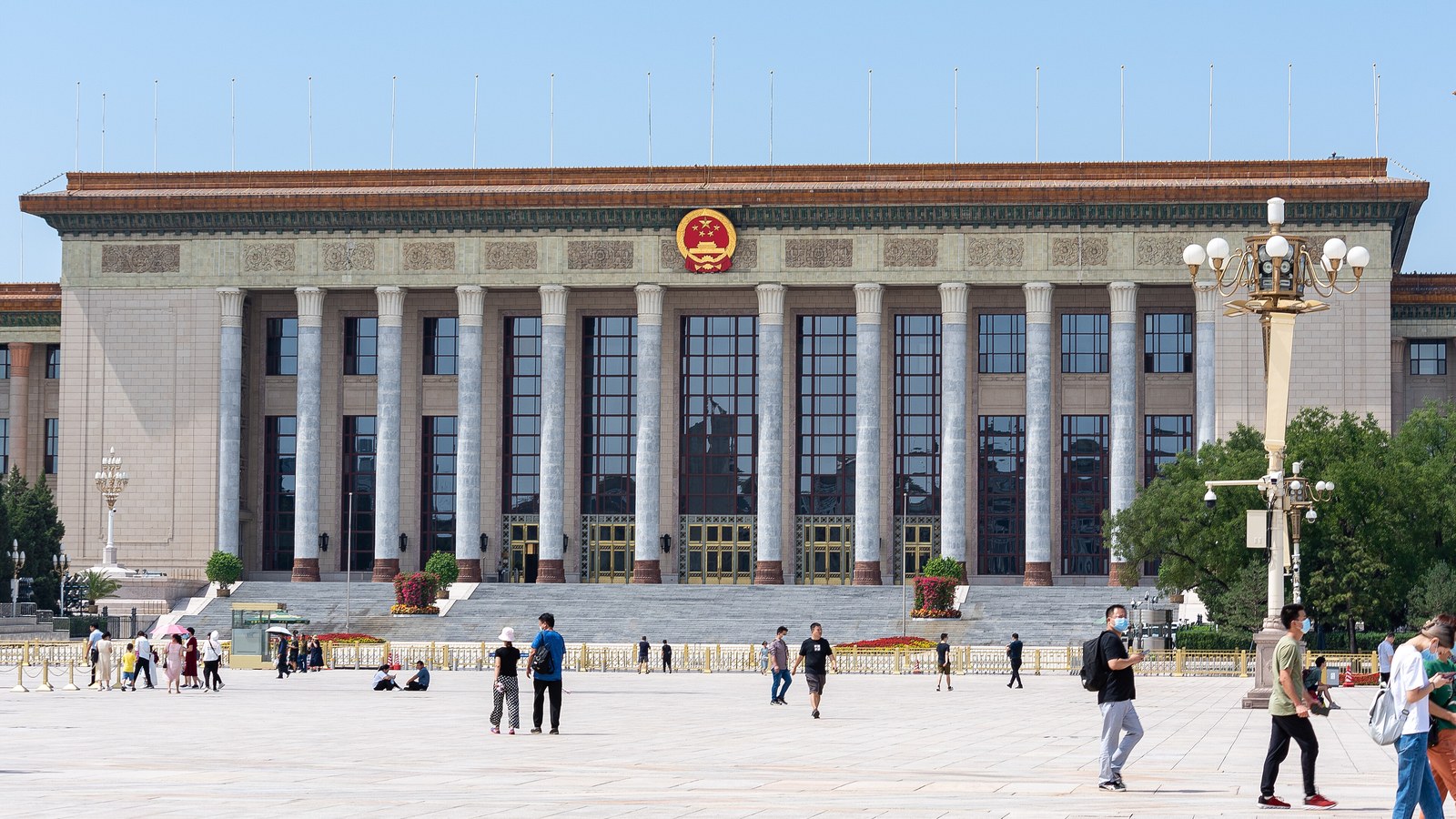
On 23 October 2013, in the Great Hall of the People in Beijing, India’s Defence Secretary, R. K. Mathur, and Lieutenant General Sun Jianguo, Deputy Chief of the General Staff of the People’s Liberation Army, signed the Agreement between the Government of the Republic of India and the Government of the People’s Republic of China on Border Defence Cooperation. Premier Li Keqiang and Prime Minister Manmohan Singh were present. Article X brings the agreement into force on the date of signature; revision, amendment or termination requires the consent of both sides.
The preamble restates the India–China Strategic and Cooperative Partnership for Peace and Prosperity, the principle of mutual and equal security, and the undertaking that neither side shall use its military capability against the other, threaten force or seek unilateral superiority. It recalls the agreements of 7 September 1993, 29 November 1996, 11 April 2005 and 17 January 2012 on peace along the Line of Actual Control, military confidence-building measures and the Working Mechanism for Consultation and Coordination. It is not a boundary treaty.
Article I confines cooperation to each side’s laws and existing bilateral agreements. Article II lists five methods: exchange of information, including on military exercises, aircraft, demolition operations and unmarked mines; joint action against smuggling of arms, wildlife and other contraband; help in locating personnel, livestock, vehicles or aerial vehicles that have crossed or may be crossing the Line of Actual Control; cooperation on natural disasters or infectious diseases; and any other way mutually agreed.
Article III implements those measures through flag meetings or border personnel meetings, periodic meetings between China’s Military Regions and India’s Army Commands, meetings of the two defence ministries, the 2012 Working Mechanism, and the India–China Annual Defence Dialogue. Article IV allows Border Personnel Meeting sites in all sectors, telephone and telecommunication links along the line, and possibly a hotline between military headquarters, with details to be settled later.
Article V opens invitations to national or military days, cultural activities, non-contact sports and small-scale tactical exercises along the Line of Actual Control, plus regular army-level joint training whose theme is decided by consultation. Article VI is the most precise clause: the two sides shall not follow or tail each other’s patrols in areas where there is no common understanding of the Line of Actual Control.
Article VII gives either side the right to seek clarification of a doubtful activity in those same areas, through the Article III mechanisms. Article VIII, if the forces come face to face there, requires maximum self-restraint, no provocative acts, no use or threat of force, courtesy, and no exchange of fire. Article IX: implementation is without prejudice to either side’s position on the alignment of the Line of Actual Control or on the boundary question.
The text does not settle the boundary dispute and does not fix the Line of Actual Control. The Depsang incursion of April 2013 occurred during the negotiations; it is not a clause of the agreement. The 2020 clashes on the same line are a later episode; Article X neither erases nor confirms them.
Image: Great Hall of the People, Beijing, place of signature; N509FZ, 2020; CC BY-SA 4.0, Wikimedia Commons. Cropped to 16:9.
Source consulted: Border Defence Cooperation Agreement. Treaty text: Agreement on Border Defence Cooperation, Beijing, 23 October 2013 (PIB).











0 Comments
No comments on this article yet. Be the first!