


The Agreement on the Maintenance of Peace and Tranquility along the Line of Actual Control in the India–China Border Areas was signed in Beijing on 7 September 1993, in two copies, the Chinese, Hindi and English texts being equally authentic. Signatories: Tang Jiaxuan and R. L. Bhatia. Article 9: entry into force on signature; amendments by mutual consent. It is not the 1996 military confidence-building agreement, nor the later 2013 package.
The preamble invokes the Five Principles of Peaceful Coexistence. Article 1: the boundary question is to be resolved through peaceful consultations; neither side shall use force; pending an ultimate solution, the line of actual control is to be strictly observed; personnel who cross it shall pull back when cautioned; segments in dispute may be jointly checked. Article 6: references to the line do not prejudice either side’s position on the boundary.
Article 2: forces along the line are to be kept to a minimum compatible with good-neighbourly relations; reductions by stages, to ceilings still to be agreed — a framework, without force tables. Article 3: confidence-building measures and prior notice of exercises of specified levels, to be identified. Article 4: contingencies are to be handled through meetings of border personnel. Article 5: measures against air intrusions. Article 7: verification, to be agreed. Article 8: diplomatic and military experts assist the Joint Working Group on alignment.
The agreement was signed during Prime Minister P. V. Narasimha Rao’s visit. The text consulted is the UN Peacemaker version, aligned with the Chinese MFA publication. We do not describe patrol itineraries and do not claim a settlement of the dispute.
The line of actual control is distinct from the boundary claims; Article 6 says so expressly.
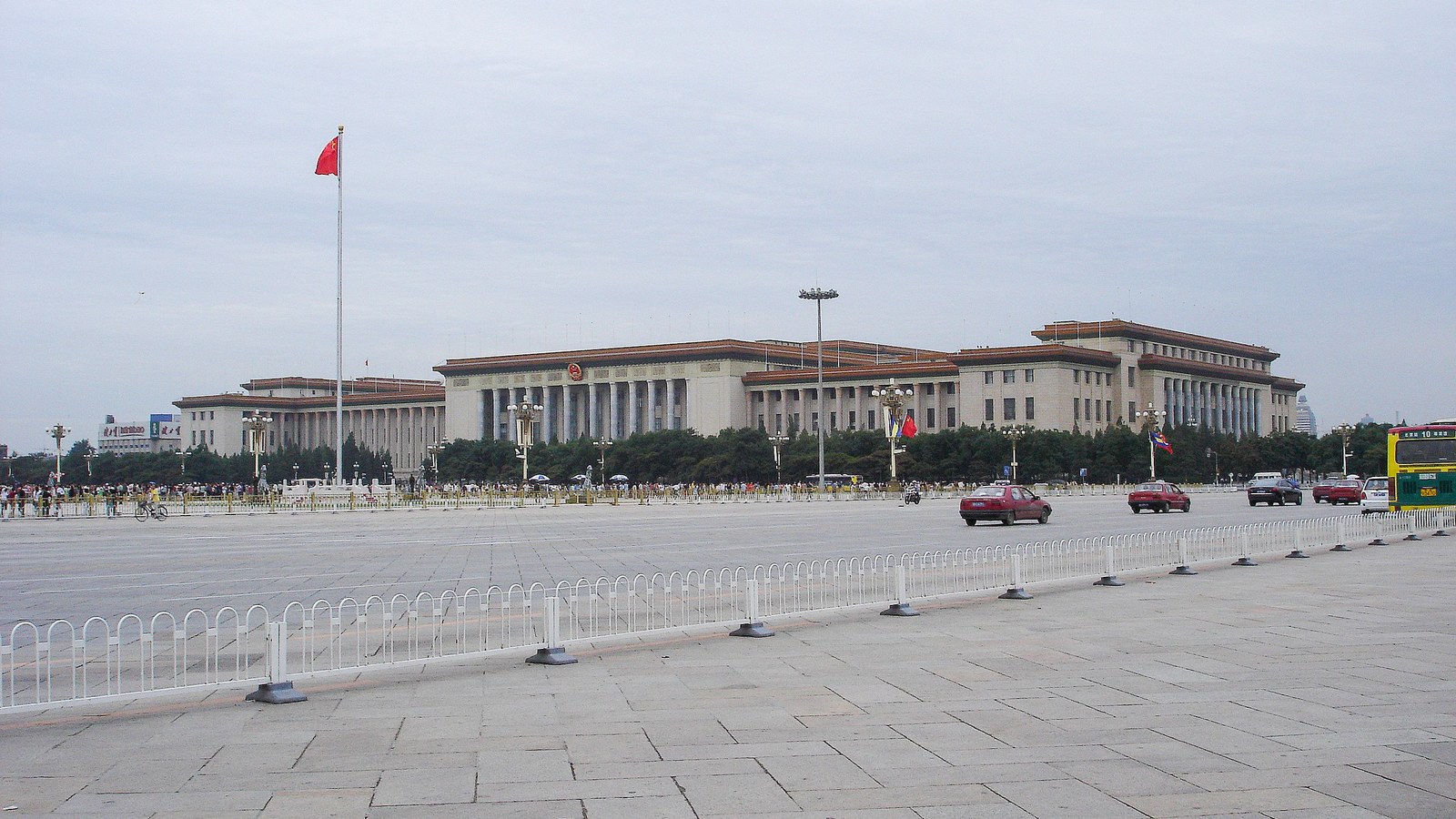
Cover: the Great Hall of the People in Beijing, the venue of signature; we do not claim the hall. Wikimedia Commons, free licence.
Sources consulted: Border Peace and Tranquility Agreement, 1993; UN Peacemaker India–China LAC Agreement 1993.











0 Comments
No comments on this article yet. Be the first!