


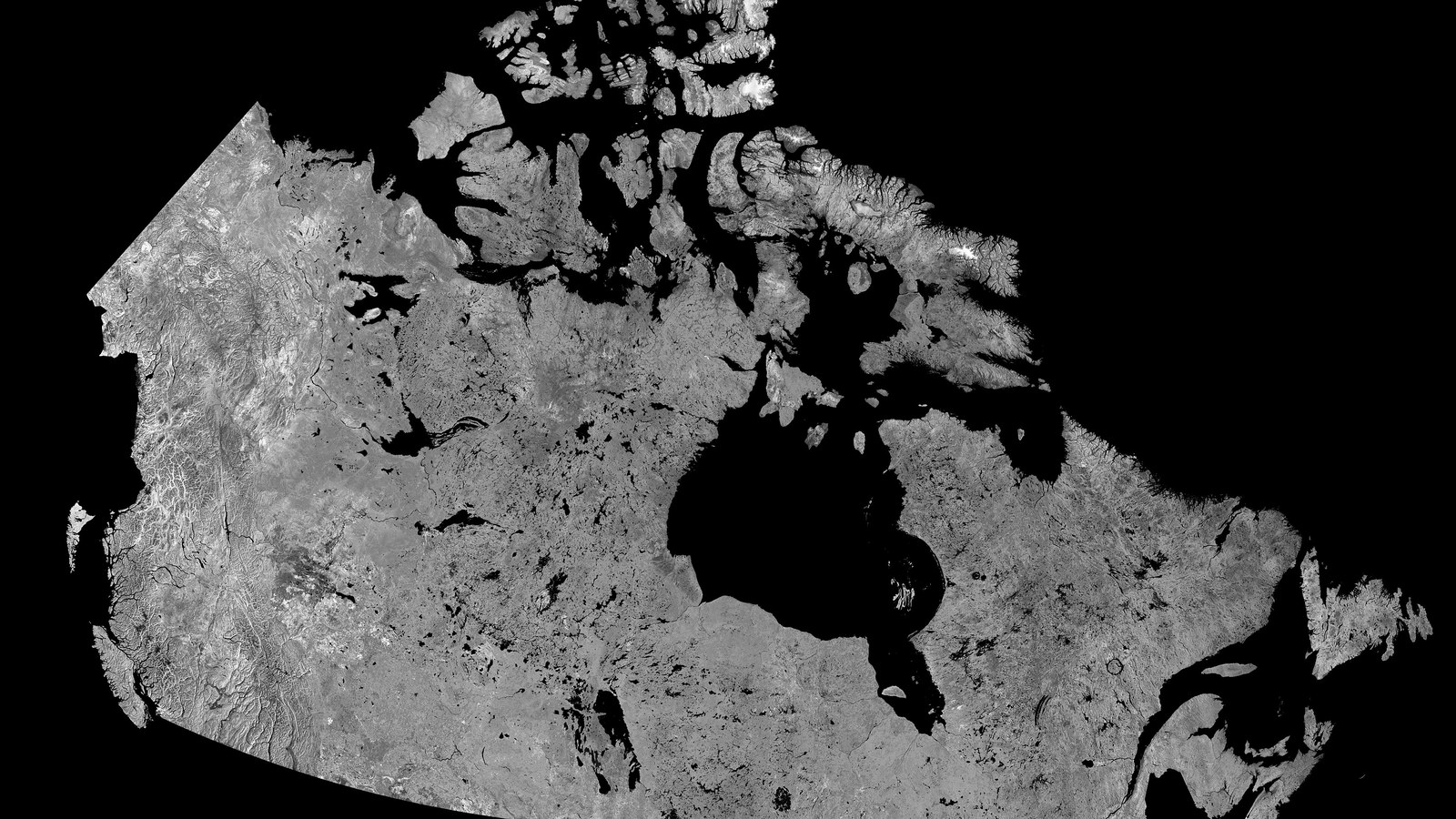
On 20 October 2000 the Canadian Space Agency signed the International Charter “Space and Major Disasters”, joining ESA and CNES, which had put it on paper on 20 June, after UNISPACE III in Vienna in July 1999. It is not the European Landscape Convention, signed the same day. The text, Rev.3 of 25 April 2000, is in French and English, equally authentic. It enters into force on the day of signature by at least two parties; with CSA, the three agencies opened the system, declared operational on 1 November. The satellites then: ERS at ESA, SPOT at CNES, RADARSAT at CSA. ENVISAT came later.
The Charter is non-binding. Article 3.1: cooperation is voluntary, with no funds exchanged between the parties. A Board with one representative of each party and an executive Secretariat keep the coordination. The struck country asks for help through an associated body — civil protection, defence or security of a state of a party, or of an ESA member state — or, where it fits, through a cooperating body in partnership with an associated one. It may also write to the Secretariat, but for the intervention itself it must engage an associated body. Parties may also intervene on their own initiative. Possible cooperating bodies: the European Union, the UN Bureau for the Coordination of Humanitarian Affairs and other recognised organisations.
Article I names a natural or technological disaster: cyclone, tornado, earthquake, volcanic eruption, flood, forest fire, or pollution by hydrocarbons, toxic or radioactive substances. The crisis is the time immediately before, during or after, when warning, emergency or rescue take place. Space data are the raw data; information is processed for crisis management. Article II asks, in a crisis, for data to states or communities exposed or already struck, and for participation in emergency assistance, reconstruction and later operations.
Article IV: the parties keep a list of facilities — mission, orbit, condition, programming, ground products — and, so far as possible, facilities of private or public operators that complete their own. The Secretariat writes scenarios by type of crisis, approved by the Board. When an associated body identifies a crisis, the Secretariat starts the action: archives, data from before and during the crisis, telecommunications, data collection, navigation. Associated bodies undertake to alert promptly, to use the information only for the agreed purpose and not to take legal action against the parties for injury, damage or loss from execution or non-execution of the Charter.
Article VI opens the Charter to agencies and operators with access to space facilities; accession needs the unanimous approval of the parties, after the Board’s recommendation within 180 days. Article VII: five years, then automatic extension for further five-year periods; withdrawal with 180 days’ notice. First activation: a landslide in Slovenia, in November. NOAA and ISRO came in September 2001. It is not the Outer Space Treaty of 1967.
RADARSAT mosaic of Canada, CSA’s contribution, not the signing room. Wikimedia Commons, attribution.
For context: International Charter Space and Major Disasters. The text: Text of the Charter.










0 Comments
No comments on this article yet. Be the first!