


On 28 April 1989, in London, the diplomatic conference adopts the International Convention on Salvage, replacing the 1910 Brussels Convention.
The text modernises maritime salvage law: salvage reward, assessment criteria, crew rights and — the key novelty — special provisions for salvage that prevents or minimises environmental damage (Articles 13–14, “special compensation”).
The depositary is the Secretary-General of the International Maritime Organization (IMO); languages: Arabic, Chinese, English, French, Russian and Spanish. Entry into force: 14 July 1996.
The Convention answers disasters such as Amoco Cadiz and Torrey Canyon: salvors must be encouraged to intervene even when the ship has little commercial value, if the action protects the environment.
Parties cover a major share of world tonnage. The 1989 Protocol and IMO guidelines complete implementation. The official text is on the IMO site and in the UNTS.
The “no cure, no pay” principle remains, tempered by special compensation for environmental efforts.
The International Convention on Salvage of 28 April 1989 remains the modern framework for maritime salvage and marine environmental protection.
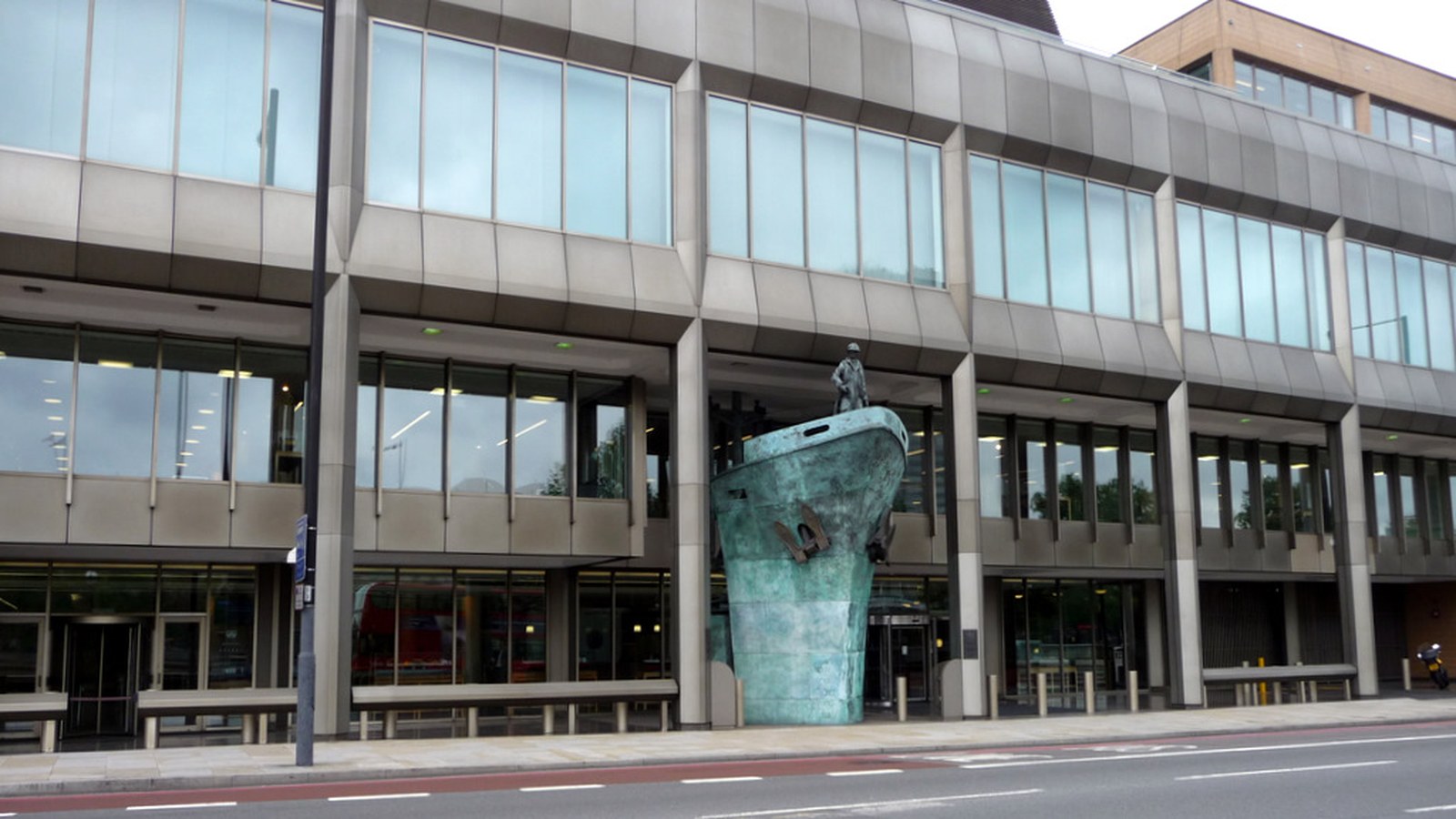
Image: London / shipping; Wikimedia Commons. Cropped to 16:9.
Source consulted: International Convention on Salvage. Treaty text: International Convention on Salvage (IMO).











0 Comments
No comments on this article yet. Be the first!