
International Equal Pay Day is observed on 18 September as a United Nations initiative centred on the principle that work of equal value should receive equal pay. The date does not mark a problem already solved. It draws attention to persistent differences in earnings between women and men and to the consequences for pensions, savings and financial independence.
According to the United Nations, women are paid around 20 per cent less than men on average worldwide. Progress in narrowing that gap has been slow, even though the principle of equal pay is widely endorsed. The UN links the disparity to unequal power relations, poverty and unequal access to resources and opportunities.
No single cause explains the gap. Unequal access to senior posts, career interruptions linked to caring, the concentration of women in lower-paid sectors and limited pay transparency can all reinforce it. The UN also notes that women, especially migrant women, are over-represented in informal work, with low pay and little social protection.
Unpaid care work adds a further weight. The UN says women spend more than two and a half times as many hours as men on household tasks and caring. The so-called motherhood penalty widens the pay difference as the number of children rises. In health and care, the organisation estimates an even larger gap: women earn on average 24 per cent less than their male peers.
For employers, 18 September is a moment to audit pay scales, promotion criteria and the publication of salary ranges. Transparency does not close the gap on its own, but it makes differences harder to ignore. The International Labour Organization stresses that equal pay covers not only identical tasks but also different work judged to be of equal value.
For governments, the discussion runs through enforceable rules, accessible care services and comparable data. ILO Convention C100 addresses the principle of equal remuneration directly. The Equal Pay International Coalition, led by the ILO, UN Women and the OECD, is described by the UN as the multi-stakeholder partnership working to reduce the gap at global, regional and national level.
The 2030 Agenda ties gender equality to decent work. The United Nations, including UN Women and the ILO, invites states, employers’ and workers’ organisations, businesses and civil society to turn legal recognition into measurable labour-market results. Until that happens, 18 September remains an annual reminder rather than a victory lap.
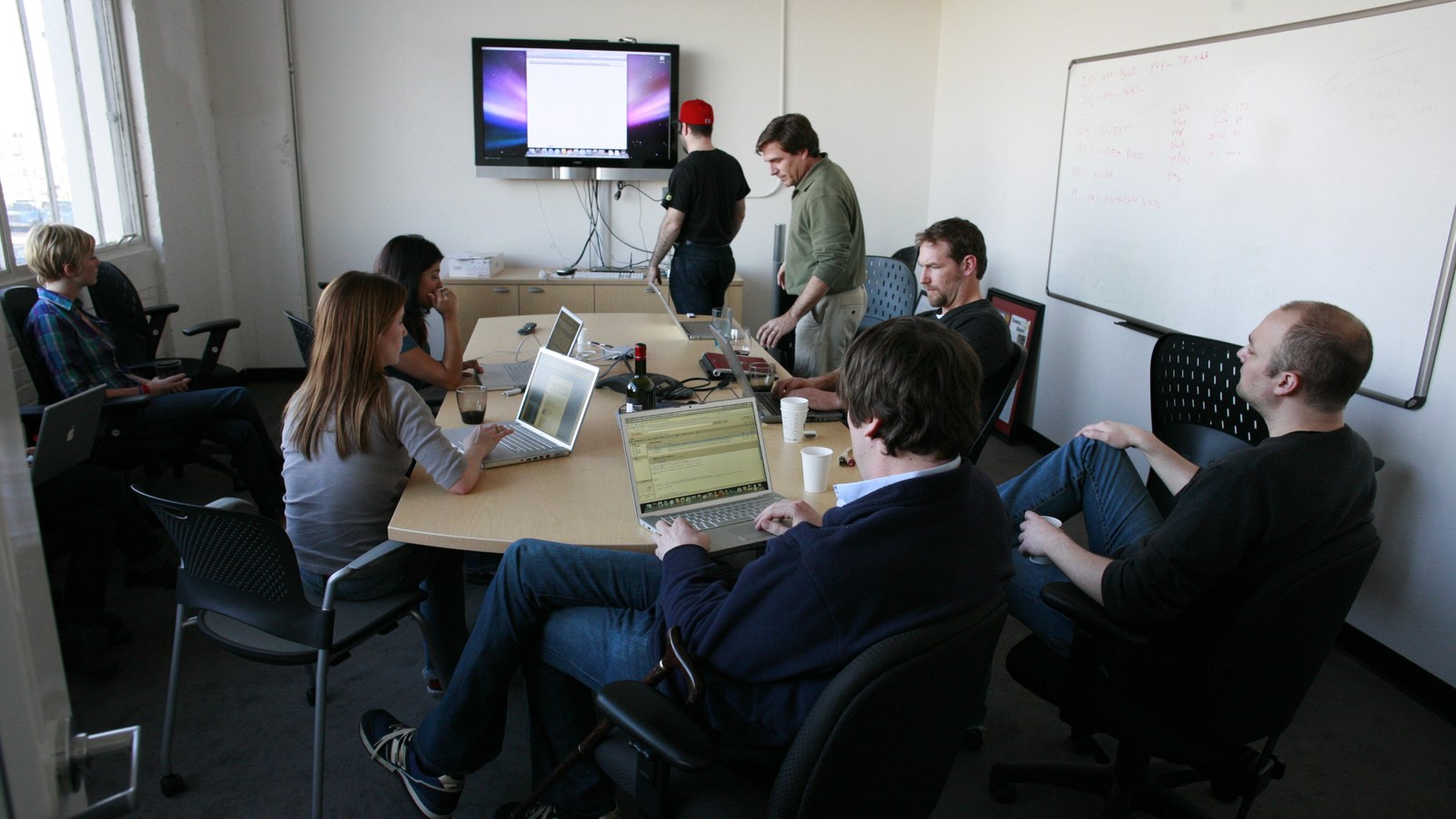
Photo: Robert Scoble / Wikimedia Commons. Office staff meeting. CC BY 2.0. Cropped to 16:9. Not a United Nations event.
Source consulted: International Equal Pay Day | United Nations; International Labour Organization.
0 Comments
No comments on this article yet. Be the first!