
International Red Panda Day falls in 2026 on Saturday, 19 September, the month’s third Saturday, as a global day of education and action for the red panda. Red Panda Network, which coordinates the observance, asks zoos, schools and the public to register events, raise funds or join online activities. The “Run for Red Pandas” campaign ties the date to the Red Panda Marathon, launched in 2024, with a fundraising window from 1 July to 19 September.
The animal lives in mountain forests of the eastern Himalayas, including Nepal. Despite its name, the red panda belongs to a different mammalian lineage from the giant panda; its survival depends on healthy forests, not on the popularity of photographs. Red Panda Network says fewer than 10,000 remain in the wild, with some estimates as low as 2,500. Those figures should be read as the organisation’s assessments, not as a single universally agreed census.
The main pressures are habitat fragmentation, forest degradation and human activity within the species’ range. Protecting forest corridors also helps other wildlife, water resources and communities who live there. The network describes education, local involvement and sustainable livelihoods in Nepal, not only species-day events in cities far from the habitat.
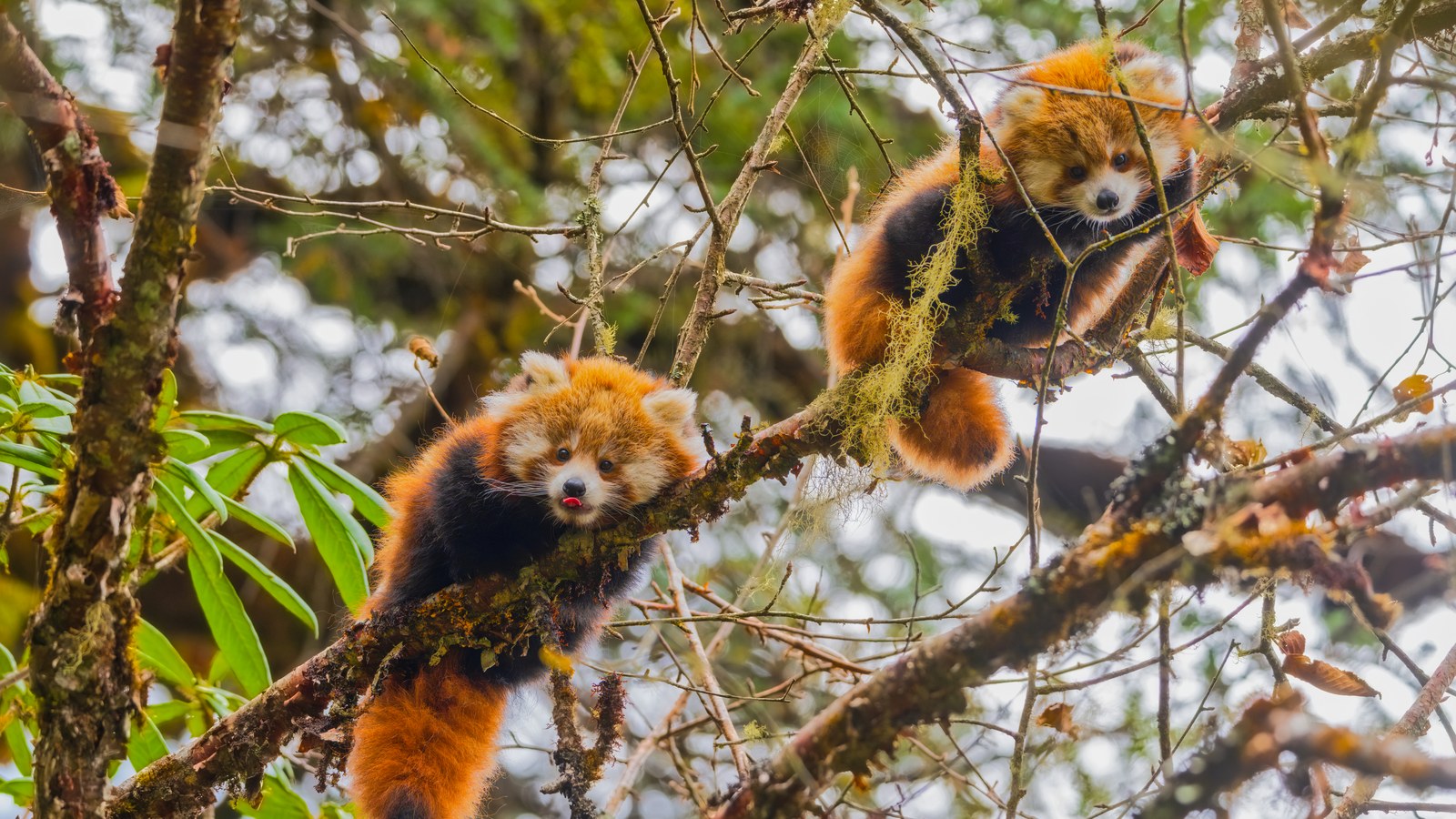
Zoos use the day for keeper talks and workshops. Specialists stress that appealing pictures must not encourage wildlife trafficking or the keeping of cubs as pets. Effective support means credible projects, not dubious souvenirs. In Nepal, habitat photography — such as cubs in Langtang National Park — is a reminder that the species is a conservation issue, not a cartoon character.
Photo: two red panda cubs in a tree, Mangingoth, Langtang National Park, Nepal. Photograph by Ganga Raj Sunuwar, CC BY-SA 4.0, via Wikimedia Commons.
Source consulted: Red Panda Network — International Red Panda Day.








0 Comments
No comments on this article yet. Be the first!