


The Japan–Korea Agreement respecting the coast trade of Korea was signed in Seoul on 13 August 1905. The plenipotentiaries were Hayashi Gonsuke, Envoy Extraordinary and Minister Plenipotentiary of Japan, and Yi Ha-yeong (Yi Ha Yong), Foreign Minister of the Korean Empire. Nine articles. It is not the Japan–Korea Protocol of 23 February 1904, nor the Eulsa protectorate treaty of 17 November 1905, nor the annexation treaty of 22 August 1910.
The preamble invokes the furtherance of industrial enterprise and the expansion of trade in Korea. Article 1: Japanese vessels may make voyages on the coasts and inland waters of Korea; the agreement does not apply to voyages between the open ports. Articles 2–3: a licence valid for one year, after notification to the Korean maritime customs through a Japanese consulate, against payment of a licence fee — a framework, not a tariff or customs handbook.
Articles 4–6: navigation within the limits of the licence, without proceeding outside Korean territory except in stress of weather or with customs permission; the licence is to be carried on board; owners may acquire ground for storehouses and, with the sanction of the customs, erect wharves. Articles 7–8: in the event of infringement the customs may demand the return of the licence; vessels and crews shall be dealt with at a Japanese consulate in accordance with the treaties and Japanese law — a principle, not a jurisdictional handbook.
Article 9: a duration of fifteen years from the date of signature; a new arrangement may be entered into on expiry or, should maritime enterprise in Korea be extended, before that term, after consultation. The official text was transmitted to the American Legation in Seoul by the Japanese minister as the instrument signed for the two Imperial Governments.
The Korean Government later contested the validity of the 1904–1910 instruments, including this agreement. The 1965 Treaty on Basic Relations between Japan and the Republic of Korea confirms that all treaties or agreements concluded between the Empire of Japan and the Empire of Korea on or before 22 August 1910 are already null and void.
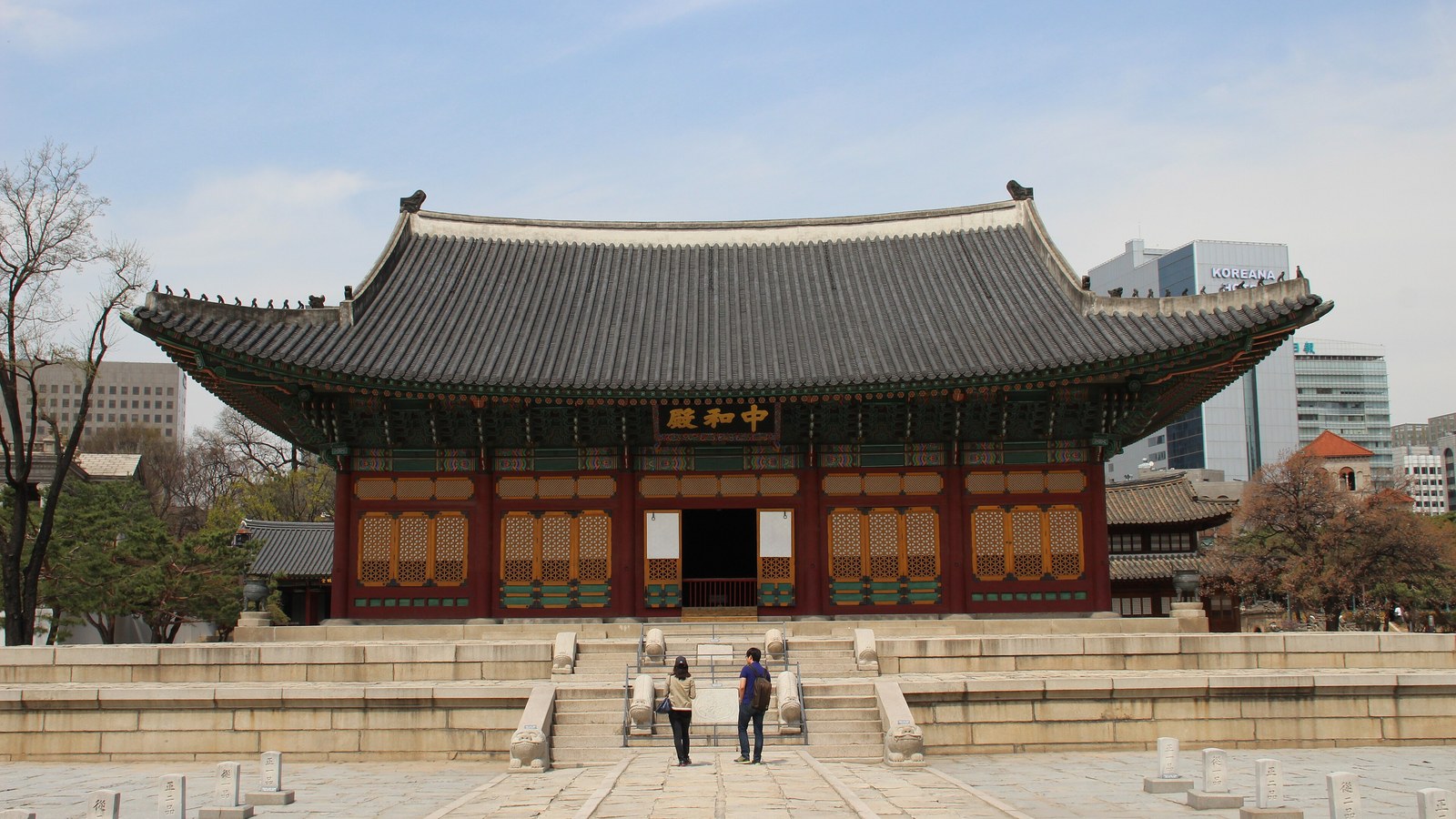
Cover: Deoksugung Palace in Seoul, the imperial residence in the years of signature; we do not claim the signing room. Wikimedia Commons, free licence.
Sources consulted: Japan–Korea Agreement of August 1905; Agreement respecting the coast trade of Korea (FRUS).











0 Comments
No comments on this article yet. Be the first!