


The Agreement between Japan and the Republic of the Philippines for an Economic Partnership was concluded in Helsinki on 9 September 2006, in duplicate in the English language. Signatories: Junichiro Koizumi and Gloria Macapagal Arroyo. Article 164: entry into force on the thirtieth day after the exchange of diplomatic notes that domestic procedures are complete — 11 December 2008. Article 165: termination on one year’s written notice. It is not the 1946 Parity Rights agreement with the United States, nor the 2008 operational procedures.
Article 1: liberalisation of trade in goods and services, mutual recognition of conformity assessments, investment, intellectual property, government procurement, competition, transparency and dispute procedures. Sixteen chapters, 165 articles and eight annexes. We do not list tariff schedules, product-specific origin rules or commitments on the movement of natural persons.
Chapter 2: trade in goods, including emergency measures. Chapter 3: origin of goods, as a framework. Chapters 7–9: services, investment and movement of persons, at the level of principle. Chapter 15: consultations and arbitral tribunals. Article 13: a Joint Committee. Article 161: a general review in 2011 and every five years thereafter.
The text consulted is the Japanese MFA original, not the Supreme Court press note in the register, which concerns 2024 domestic constitutionality. Signature took place on the margins of the ASEM summit in Helsinki, not in Tokyo or Manila.
The Philippine Senate ratified after 2007–2008 ministerial letters on waste; the Agreement itself is not an environmental treaty. Distinguish the implementing agreement under Article 12.
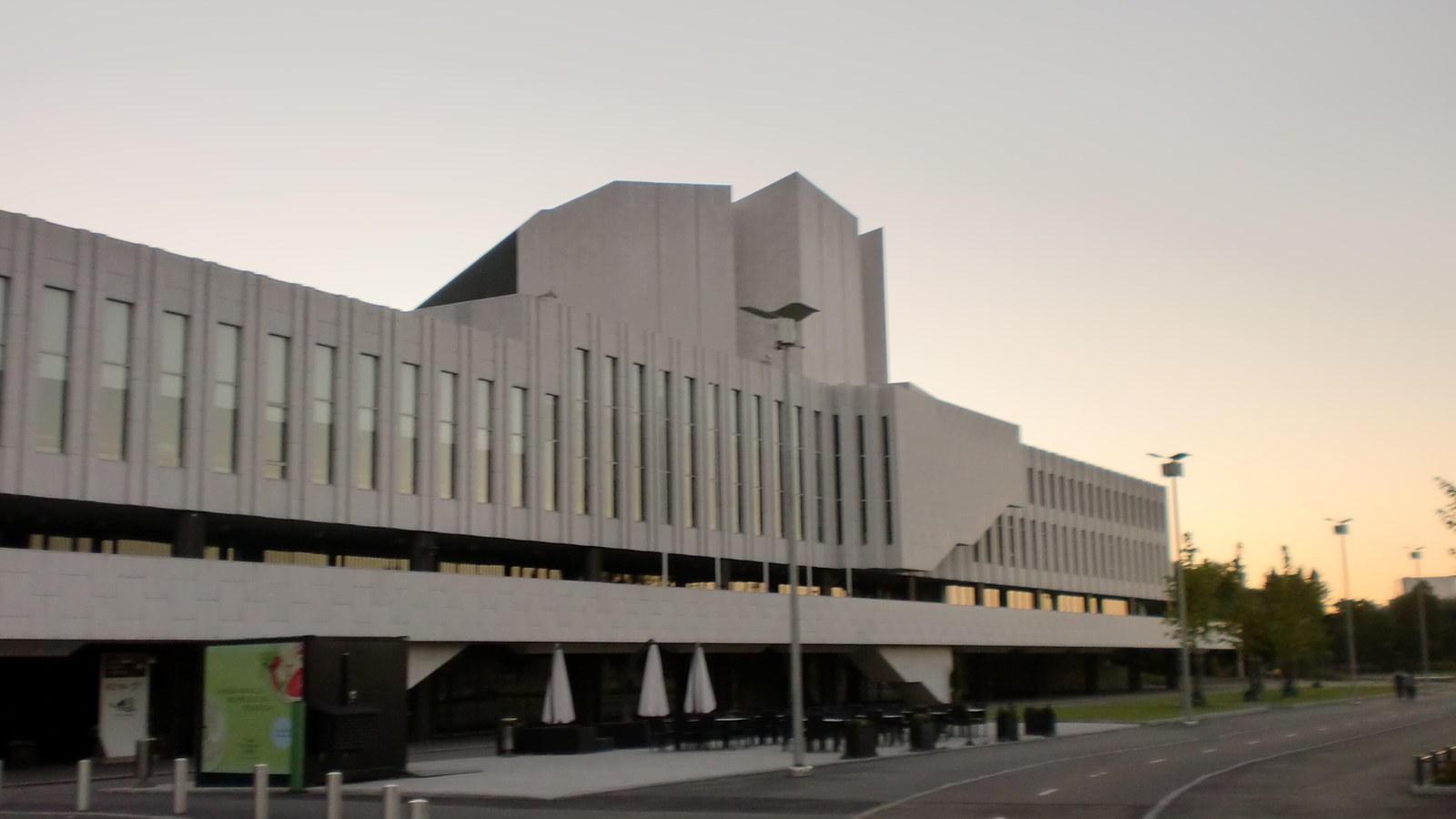
Cover: Finlandia Hall in Helsinki, a Finnish diplomatic venue at the date of the summit; we do not claim the hall. Wikimedia Commons, free licence.
Sources consulted: Japan–Philippines Economic Partnership Agreement; JPEPA main text (MOFA).











0 Comments
No comments on this article yet. Be the first!