


On 28 April 1949, in Karachi, the Government of Pakistan, the Government of Azad Kashmir and the All Jammu and Kashmir Muslim Conference sign the Karachi Agreement dividing powers after the first Kashmir war.
Signatories: Mushtaq Ahmed Gurmani (minister without portfolio, Ministry of Kashmir Affairs), Sardar Mohammed Ibrahim Khan (president of Azad Kashmir) and Chaudhry Ghulam Abbas (head of the Muslim Conference).
Pakistan reserves defence, foreign policy, UNCIP negotiations, publicity abroad, refugee and plebiscite coordination, and affairs of the Gilgit and Ladakh areas — in effect control over Gilgit-Baltistan.
The Azad Kashmir government keeps only local administration, economic development and the right to “advise” the Pakistani minister. The Muslim Conference receives roles in political organisation and general guidance.
The document stayed secret until the 1990s, when it surfaced in Azad Kashmir High Court rulings and constitutional collections. For Gilgit-Baltistan residents, the absence of any representative of theirs at signature remains a political wound.
Analyses (Snedden, Behera) stress the imbalance: Azad Kashmir became a local authority over a rump territory, and the Joint Secretary of the Ministry of Kashmir Affairs gained de facto head-of-administration powers.
The Karachi Agreement of 28 April 1949 remains the act that defined Azad Kashmir’s dependence on Pakistan and the loss of Gilgit-Baltistan from its control.
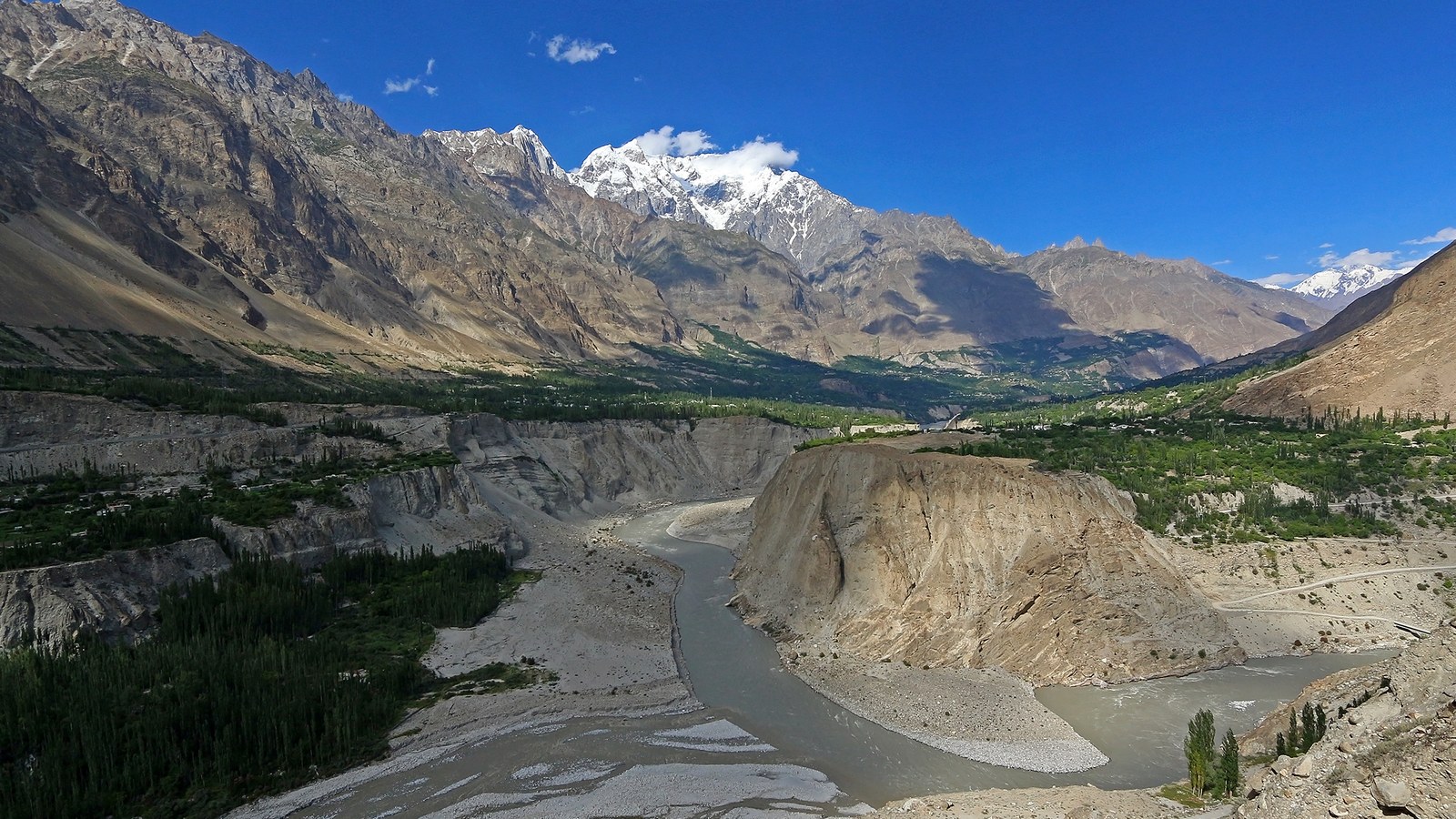
Image: Pakistan / Kashmir; Wikimedia Commons. Cropped to 16:9.
Source consulted: Karachi Agreement (Azad Kashmir). Treaty text: Karachi Agreement (archived text).











0 Comments
No comments on this article yet. Be the first!