


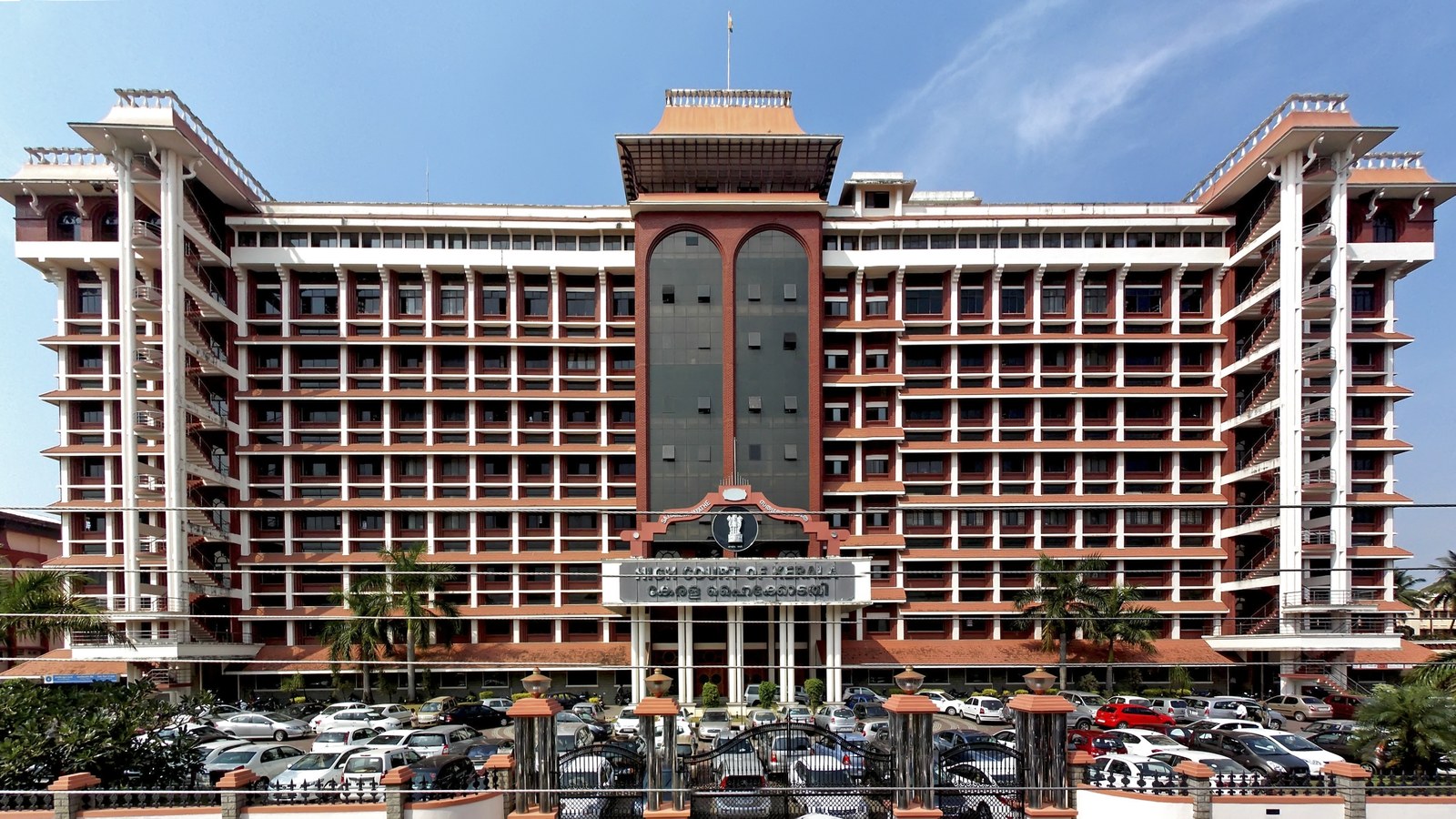
On Saturday, 17 October, the Kerala High Court refused to stay a government order dated 16 October. The order reconstitutes the Kerala State Waqf Board and nominates nine members. Justice S. Manu, a special sitting. The quote, in LiveLaw: no case is made out for a stringent interim stay. The request, rejected. The reconstitution, even so, remains subject to the two writ petitions. That is an interim measure. It is not the merits. The Hindu put the headline on the refusal of a stay. The headline is accurate. The merits are not.
The petitioners, according to LiveLaw: K.S. Hazma and C.K. Usman Haji, chairperson and member before the reconstitution. The Times of India writes K.M. Hamza. One name, two spellings. That is not a finding on identity. The challenged order supersedes two earlier notifications. The court issued notice to the newly appointed members and referred the two pleas to the Division Bench already seized of PILs on the same theme. TOI: the new chair, M.C. Mayin Haji, state vice-president of the IUML. That is TOI’s account. LiveLaw, in the quoted body, does not put his name in the operative part.
The petitioners: the government had told the Division Bench it intended only to fill vacancies. The order, on the eve of the court holiday, until 22 October. The amended Waqf Act, they say, gives no power to reconstitute. Section 99(1): supersession only with conditions and a chance to show cause. Section 20: specified situations for removal. Sections 14(1)(b)(i) and 14(1)(f): not followed. That is the plea. It is not a finding.
The Additional Advocate General: the old order violated the Act, with no determination under 14(6). Nine Muslim members already nominated, so no vacancy in that way for a Bohra member. The Bohra and Shia requirement, addressed now. On 14 October the Division Bench noted the government’s willingness to reconstitute, without a restraining order. The power to appoint, the state cites Maharashtra v. Shaikh Mahemud, includes the power to remove. Two seats, a member of Parliament and a Bar Council member, deferred, awaiting the Supreme Court on the two non-Muslim members. That is the state’s plea.
Manu: the Division Bench did not stop the government from bringing the Board into line with Section 14. Orders of 19 August and 14 October. Prima facie, the reconstitution is not at odds with what was said there. The principle in Shaikh Mahemud remains relevant after the amendment. It cannot be said the government has no authority to cancel the appointments. Hence the refusal of a stay. “Formidable contentions”, even so, need reflection. That is why the new Board hangs on a thread: until the writs.
Until the Division Bench, what remains is nine names and a stay refused. After the Division Bench, what remains is whether Section 14 is on paper or on the list.
Image: Augustus Binu, High Court of Kerala building, 12 February 2013, CC BY-SA 3.0, Wikimedia Commons. The photograph is of the building, not the 17 October 2026 sitting.
Sources consulted: Kerala High Court Refuses To Stay Order Reconstituting State Waqf Board — LiveLaw; Kerala HC declines to stay govt order reconstituting waqf board — Times of India.











0 Comments
No comments on this article yet. Be the first!