


On 6 December 2006, in Canberra, the Agreement between the Government of Australia and the Government of the Republic of Korea on the Protection of Migratory Birds was signed. Signatories: Alexander Downer and Song Min-soon, foreign ministers. Authentic texts: English and Korean, in duplicate. It is not the 1974 agreement with Japan and not the 1986 agreement with China.
The preamble considers that birds constitute an important element of the natural environment and that this role may be enhanced by proper management. It recognizes that many species migrate between the two countries, notes existing bilateral and multilateral agreements and cooperative efforts to conserve migratory waterbirds in the East Asian-Australasian Flyway, and seeks measures for the management and protection of migratory birds and their habitat and the prevention of the extinction of certain birds.
Article 1: migratory birds means the species and subspecies of birds for which there is reliable evidence of migration between the two countries. The list in the Annex forms an integral part of the Agreement; the Annex enumerates 59 species, from the northern shoveler to the grey wagtail. The Agreement may be amended by the mutual written consent of the Parties.
Article 2: each Party shall prohibit the taking of migratory birds and their eggs except for scientific, educational, propagative or other specific purposes not inconsistent with the objectives of the Agreement; protecting persons or property; hunting during hunting seasons or on hunting grounds established under paragraph 3; and hunting and gathering by inhabitants of specified regions who have traditionally carried on such activities for their own food, clothing or cultural purposes, provided populations are maintained. Sale, purchase or exchange of the birds, eggs, products or parts is prohibited except those taken in accordance with paragraph 1. Each Party may establish seasons and define hunting grounds, taking into account the annual reproduction required for survival.
Article 3: the Parties shall encourage the exchange of data and publications, joint research programs, conservation of migratory birds and joint programs to raise awareness. Article 4: each Party shall endeavour to manage and conserve habitat, including through the designation of conservation areas. Article 5: appropriate measures to conserve and improve the environment of these birds, means to prevent damage, control of the impact of invasive animals and plants, and participation in regional cooperative activities in the Asia-Pacific region.
Article 6: each Party shall take measures necessary to serve the purposes of the Agreement; the Parties may hold conferences and make mutual visitations. Article 7: upon the request of either Party, both shall hold consultations regarding the operation of the Agreement.
Article 8: the Agreement enters into force on the day upon which both Parties have notified each other in writing that their respective legal requirements have been complied with, hence on 13 July 2007; it remains in force for fifteen years and thereafter until the first anniversary of a written notice of termination. The Australian Treaty Series 2007/24 package also includes an exchange of notes.
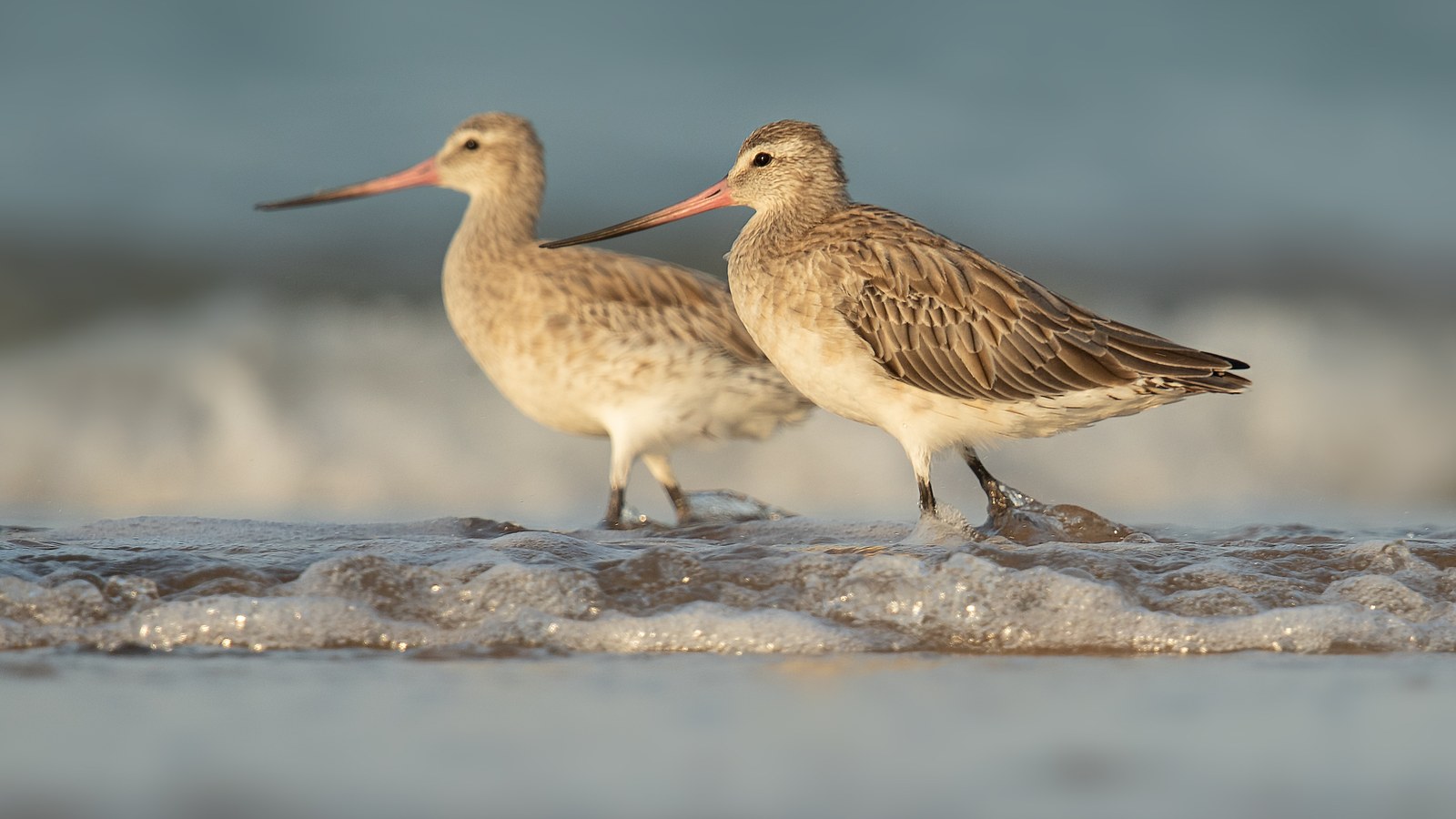
Image: bar-tailed godwit, Lee Point, Northern Territory; JJ Harrison, 26 December 2019; CC BY-SA 4.0, Wikimedia Commons. Cropped to 16:9.
Source consulted: Republic of Korea-Australia Migratory Bird Agreement. Treaty text: Agreement on the Protection of Migratory Birds, Canberra, 6 December 2006.











0 Comments
No comments on this article yet. Be the first!