


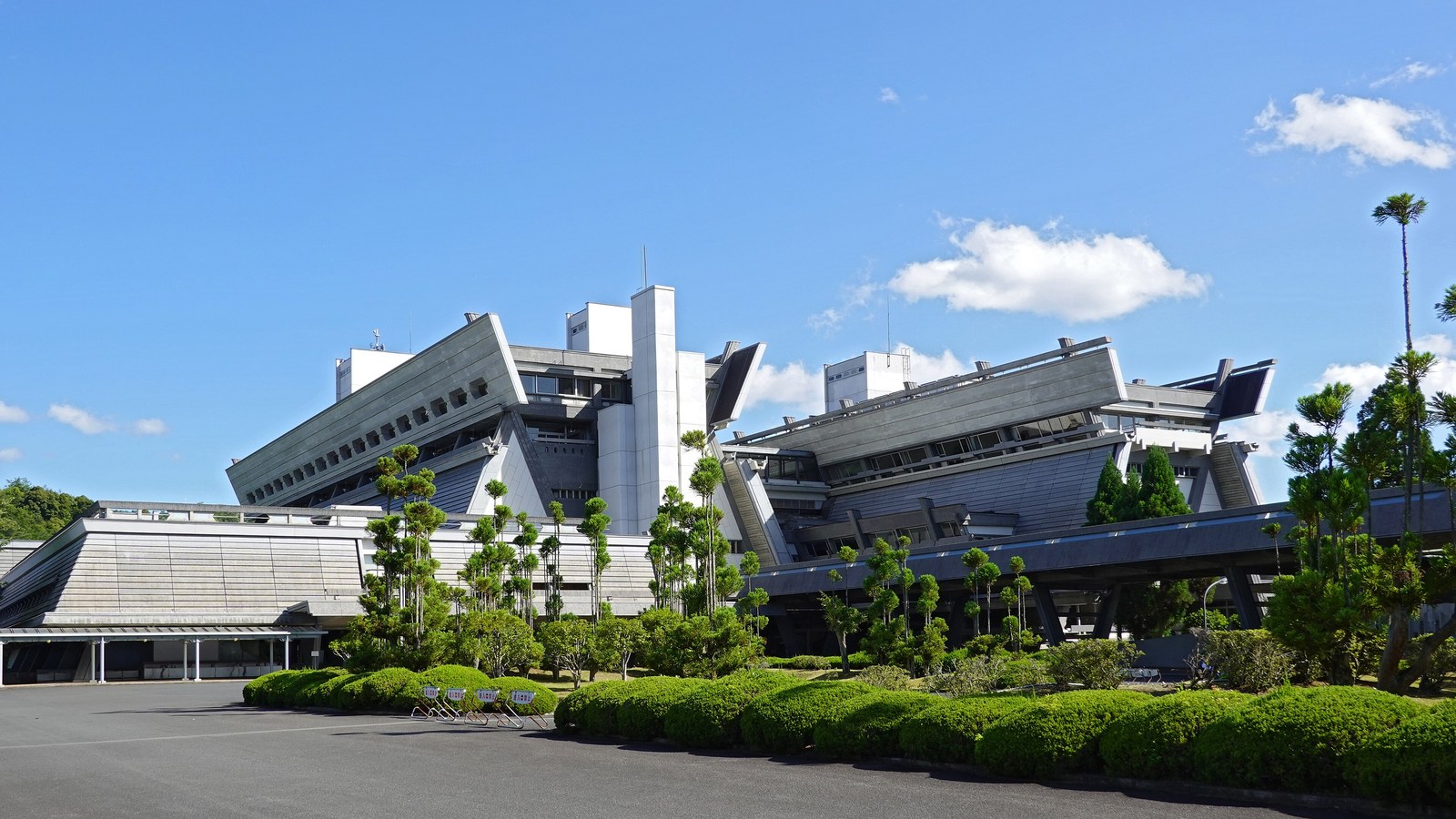
On 11 December 1997, in Kyoto, the Conference of the Parties to the United Nations Framework Convention on Climate Change, at its third session, adopts the Kyoto Protocol. The President of the Conference is Hiroshi Ohki. It is not the Framework Convention signed in New York on 9 May 1992 and not the Paris Agreement of 12 December 2015.
The preamble recalls Article 2 of the Convention, Article 3 of the Convention and the Berlin Mandate, decision 1/CP.1. The Protocol has 28 articles, plus Annexes A and B. The authentic texts are Arabic, Chinese, English, French, Russian and Spanish. The original is deposited with the Secretary-General of the United Nations. Done at Kyoto on the same day.
Article 3 requires Annex I Parties, individually or jointly, to ensure that their aggregate anthropogenic carbon dioxide equivalent emissions of the greenhouse gases listed in Annex A do not exceed their assigned amounts, calculated pursuant to the quantified emission limitation and reduction commitments inscribed in Annex B, with a view to reducing overall emissions of such gases by at least 5 per cent below 1990 levels in the commitment period 2008 to 2012. The assigned amount for that first period is the Annex B percentage of 1990 emissions, or of the base year, multiplied by five. By 2005, each Annex I Party is to have made demonstrable progress.
Annex A lists carbon dioxide, methane, nitrous oxide, hydrofluorocarbons, perfluorocarbons and sulphur hexafluoride. Article 6 allows Annex I Parties to transfer and acquire emission reduction units from projects, provided the reductions are additional to any that would otherwise occur and that acquisition is supplemental to domestic action. Article 12 establishes the clean development mechanism, which assists Parties not included in Annex I and allows Annex I Parties to use certified emission reductions. Article 17 opens emissions trading among Annex B Parties, also supplemental to domestic action.
Article 24 opens the Protocol for signature at United Nations Headquarters in New York from 16 March 1998 to 15 March 1999, then for accession, by States and regional economic integration organizations that are Parties to the Convention. Article 25 provides that the Protocol enters into force on the ninetieth day after not less than 55 Parties to the Convention, incorporating Annex I Parties which accounted for at least 55 per cent of the total 1990 carbon dioxide emissions of Annex I, have deposited their instruments. Those conditions were later met; the Protocol entered into force on 16 February 2005. Article 26 forbids reservations.
The depositary is the Secretary-General. The Conference of the Parties serving as the meeting of the Parties to the Protocol oversees implementation. Article 27 allows withdrawal after three years from entry into force for a Party, taking effect one year after notification. Withdrawal from the Convention is also withdrawal from the Protocol.
It is not the Doha Amendment of 8 December 2012, which opened a second commitment period, and not the Berlin Mandate of 1995 as such, but the Protocol adopted pursuant to it.
Image: Kyoto International Conference Center; 663highland, 3 June 2023; CC BY-SA 4.0, Wikimedia Commons. Cropped to 16:9.
Source consulted: Kyoto Protocol. Treaty text: Kyoto Protocol to the United Nations Framework Convention on Climate Change, Kyoto, 11 December 1997.











0 Comments
No comments on this article yet. Be the first!