


Prime Ministers Atal Behari Vajpayee and Muhammad Nawaz Sharif signed the Lahore Declaration in Lahore on 21 February 1999. The Indian visit began on the inaugural Delhi–Lahore bus: Sharif received Vajpayee at Wagah on 20 February. The declaration recalls the Simla Agreement and the understanding of 23 September 1998 that peace is a supreme national interest and that resolving outstanding issues, including Jammu and Kashmir, is essential.
The text is a bilateral instrument signed by the two heads of government, not a treaty with a United Nations depositary. The closing formula is “Signed at Lahore”. The same day, Foreign Secretaries K. Raghunath and Shamshad Ahmad signed a Memorandum of Understanding on confidence-building measures, and the leaders issued a joint statement on the visit. The UN Peacemaker catalogue keeps the declaration as a peace agreement.
The governments undertook to intensify efforts to resolve all issues, including Kashmir; to refrain from intervention in each other's internal affairs; to revive the composite dialogue; to condemn terrorism; to promote human rights; and to support SAARC objectives. This is not a boundary-negotiation handbook.
The nuclear dimension, after the tests of May 1998, is recognised as an added responsibility to avoid conflict. The parties promised immediate steps to reduce the risk of accidental or unauthorised use of nuclear weapons and to discuss concepts and doctrines with a view to confidence-building in the nuclear and conventional fields. This is not a weapons catalogue or an operational-notification handbook.
The same-day memorandum identified measures for an environment of peace and security. Later agreements — pre-notification of ballistic-missile flight tests (2005) and reducing the risk of nuclear-weapon accidents (2007) — expressly recalled that memorandum. The joint statement provided for periodic foreign-minister consultations, WTO coordination, a more liberal visa regime and a ministerial committee on civilian detainees and missing prisoners of war.
The process broke within months, with the Kargil crisis; that campaign is not this story. The declaration remains the political text signed at Lahore, distinct from Simla (1972) and from the Agreement on the Prohibition of Attack against Nuclear Installations (1988).
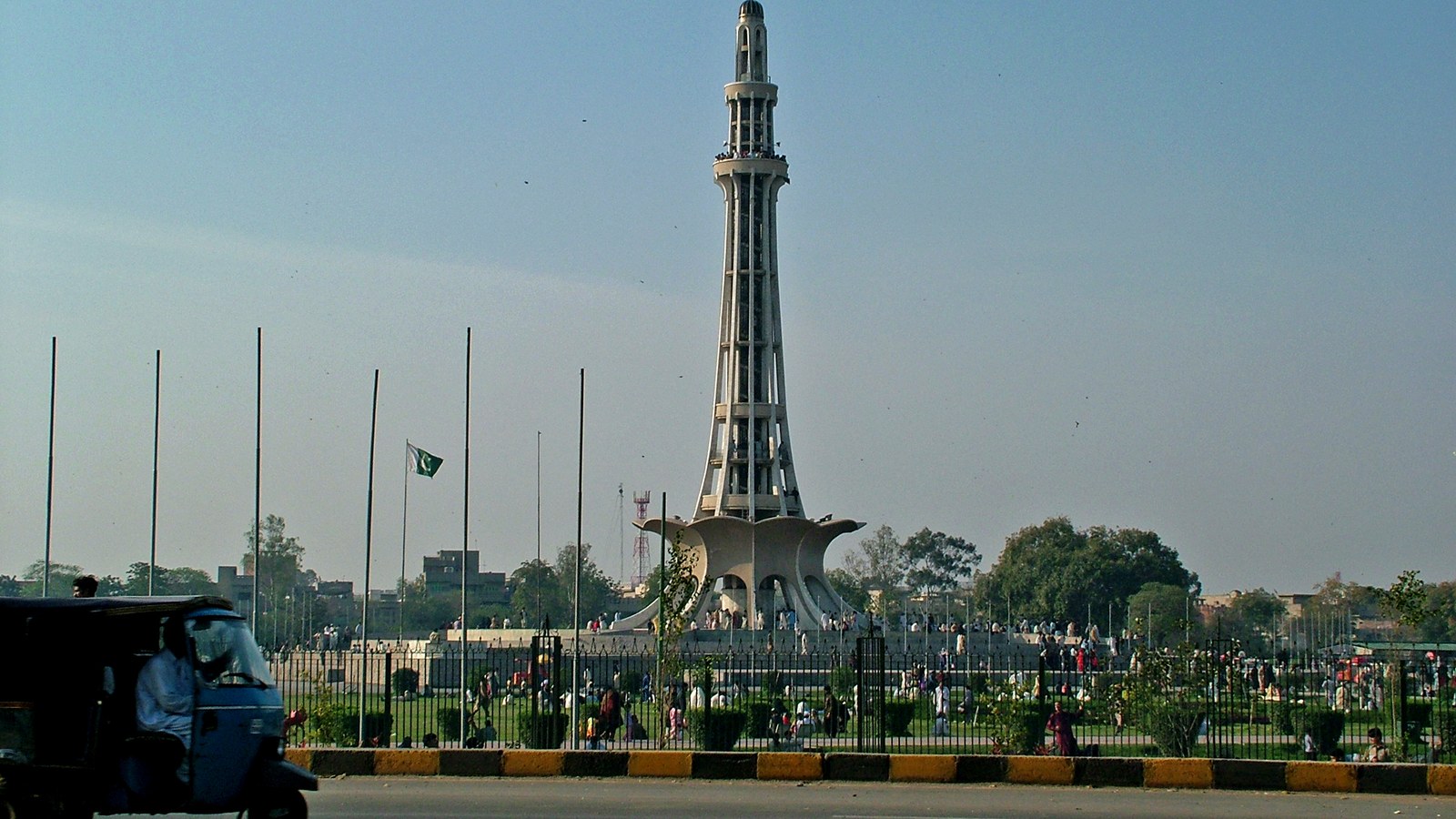
Cover: Minar-e-Pakistan in Lahore, a monument visited during the summit — the photograph is of the tower, not of the signing table. Wikimedia Commons, free licence.
Sources consulted: Lahore Declaration; The Lahore Declaration.











0 Comments
No comments on this article yet. Be the first!