


After the Commonwealth summit in Lusaka, 1–7 August 1979, London called to Lancaster House Bishop Abel Muzorewa, prime minister of the unrecognised Zimbabwe Rhodesia, and the Patriotic Front leaders. The conference, opened on 10 September, ran through 47 plenary sessions, until 15 December. Peter Carrington, foreign secretary, chaired; the British delegation was led, technically, by Antony Duff. Muzorewa came with Ian Smith, minister without portfolio, and Ndabaningi Sithole. Robert Mugabe and Joshua Nkomo led the Patriotic Front, with Josiah Tongogara of ZANLA. Shridath Ramphal, Commonwealth secretary-general, acted as a “shadow mediator”. Thatcher, who had preferred a deal with Smith and Muzorewa, accepted the joint table: whoever walked out, the talks would go on without them.
The Lancaster House Agreement was signed on 21 December 1979, at Lancaster House, London. For the United Kingdom Carrington and Sir Ian Gilmour signed; for the government of Zimbabwe Rhodesia, Muzorewa and Silas Mundawarara; for the Patriotic Front, Mugabe and Nkomo. The parties accepted the authority of the governor, the independence constitution, the ceasefire, campaigning without intimidation and the outcome of the elections. Twenty per cent of the seats in parliament were reserved for whites, for seven years, until 1987. White-owned land could be bought only from “willing sellers”, with compensation.
The agreement dissolved Zimbabwe Rhodesia, born a few months earlier by the Internal Settlement, and temporarily restored the territory as the colony of Southern Rhodesia, nullifying the Unilateral Declaration of Independence of 1965. Lord Soames was appointed governor, with full executive and legislative powers. ZANU and ZAPU guerrillas were to gather at assembly points under British supervision. The Southern Rhodesia Act 1979, passed on 14 November, gave the Crown power to provide a constitution for Zimbabwe. The Zimbabwe Act 1979, given Royal Assent on 20 December, provided that on an Independence Day appointed by Order in Council, Southern Rhodesia “shall become an independent Republic under the name of Zimbabwe”, and the unexpired provisions of the Southern Rhodesia Act 1965 would cease to have effect. The Act grants an amnesty for the UDI of 11 November 1965 and for the constitutions of 1965, 1969 and 1979.
The February 1980 elections were won by ZANU, with Mugabe. On 18 April 1980 Southern Rhodesia became Zimbabwe, Mugabe prime minister. The Security Council, in Resolution 463, called on all parties to comply with the agreement and on South African forces to withdraw. The land clause delayed agrarian reform by a decade; in 1998 Mugabe’s announcement of compulsory acquisition collapsed the Zimbabwean dollar by more than 50% within 24 hours.
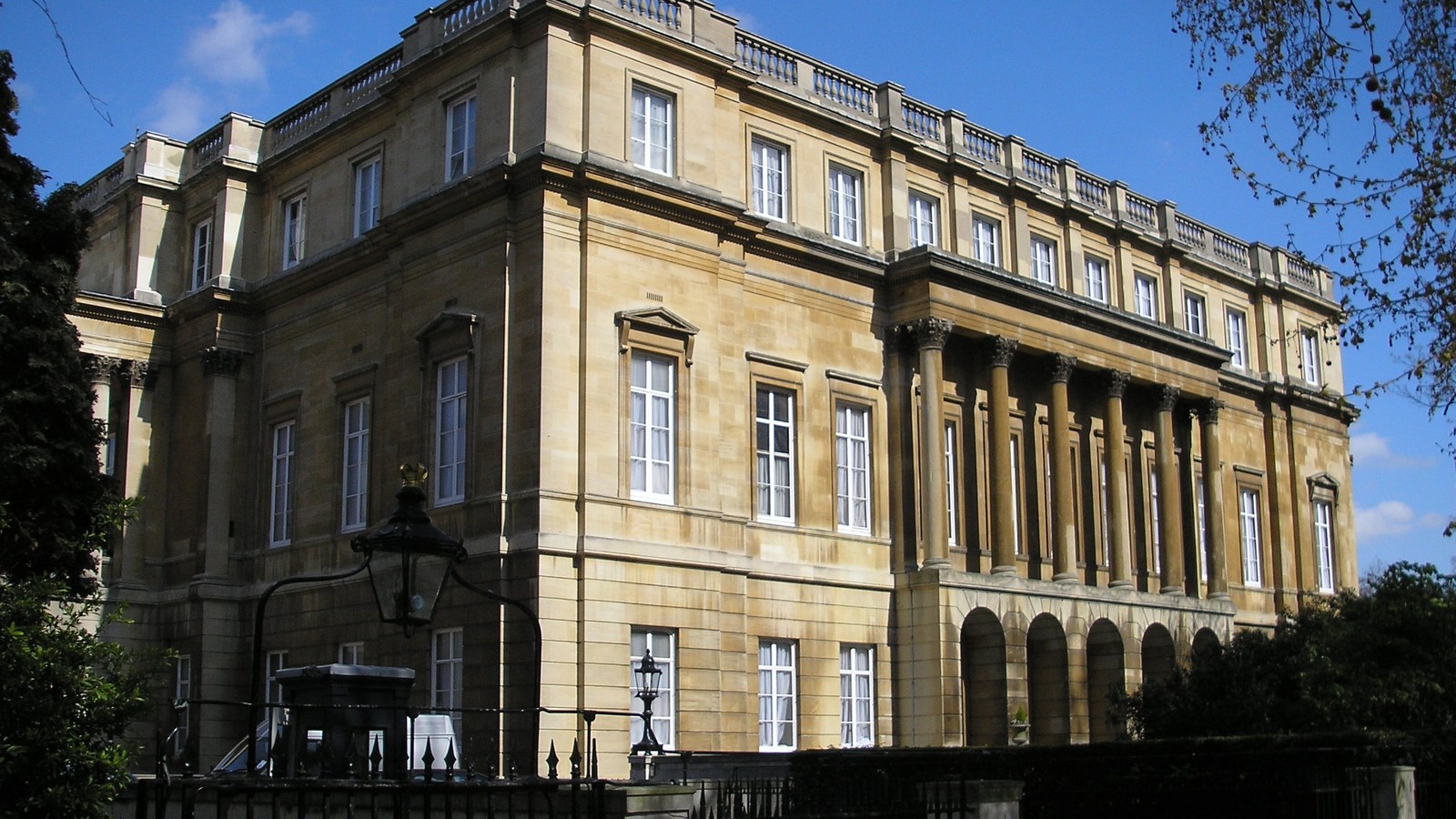
The photograph of the Lancaster House façade, taken by Gryffindor in 2006, shows the building in which the signing took place.
The negotiation succeeded, Matthews writes, because the balance of forces on the battlefield favoured the nationalists, sanctions hit the economy, and Carrington kept the table open. It was a constitutional compromise, not a homologated military victory.
Sources: Lancaster House Agreement; legislation.gov.uk, Zimbabwe Act 1979.











0 Comments
No comments on this article yet. Be the first!