
London becomes a vast public architecture museum from today, 12 September, as Open House Festival 2026 — the 35th edition — begins across the British capital. Running until 20 September, the festival gives Londoners and visitors a chance to explore buildings, homes, public spaces and neighbourhoods they might otherwise only see from the street.
Events take place across all 33 London boroughs. The official programme contains hundreds of buildings, tours, activities and events celebrating architecture, design, heritage and the communities that make up the capital. Not every site is open on every one of the nine days; times, bookings and access should be checked on the official programme before travelling.
A more accessible London
The idea behind Open House is straightforward: people should have opportunities to better understand the city in which they live. The festival opens an unusually broad range of spaces: historic and government buildings, homes, offices, places of worship, cultural institutions, infrastructure, contemporary architecture, gardens and urban landscapes, neighbourhood tours and meetings with architects. Some venues can be visited without advance booking; others need reservations or ballots because of limited capacity.
All 33 London boroughs
Open House is not restricted to central London. Activities across all 33 boroughs allow the festival to highlight not only internationally recognised landmarks but also the architecture of the neighbourhoods where Londoners live. Visitors can see how generations of architects, planners and communities have shaped the capital. The programme therefore takes in spectacular buildings as well as housing, community spaces and local projects.
From Victorian London to contemporary architecture
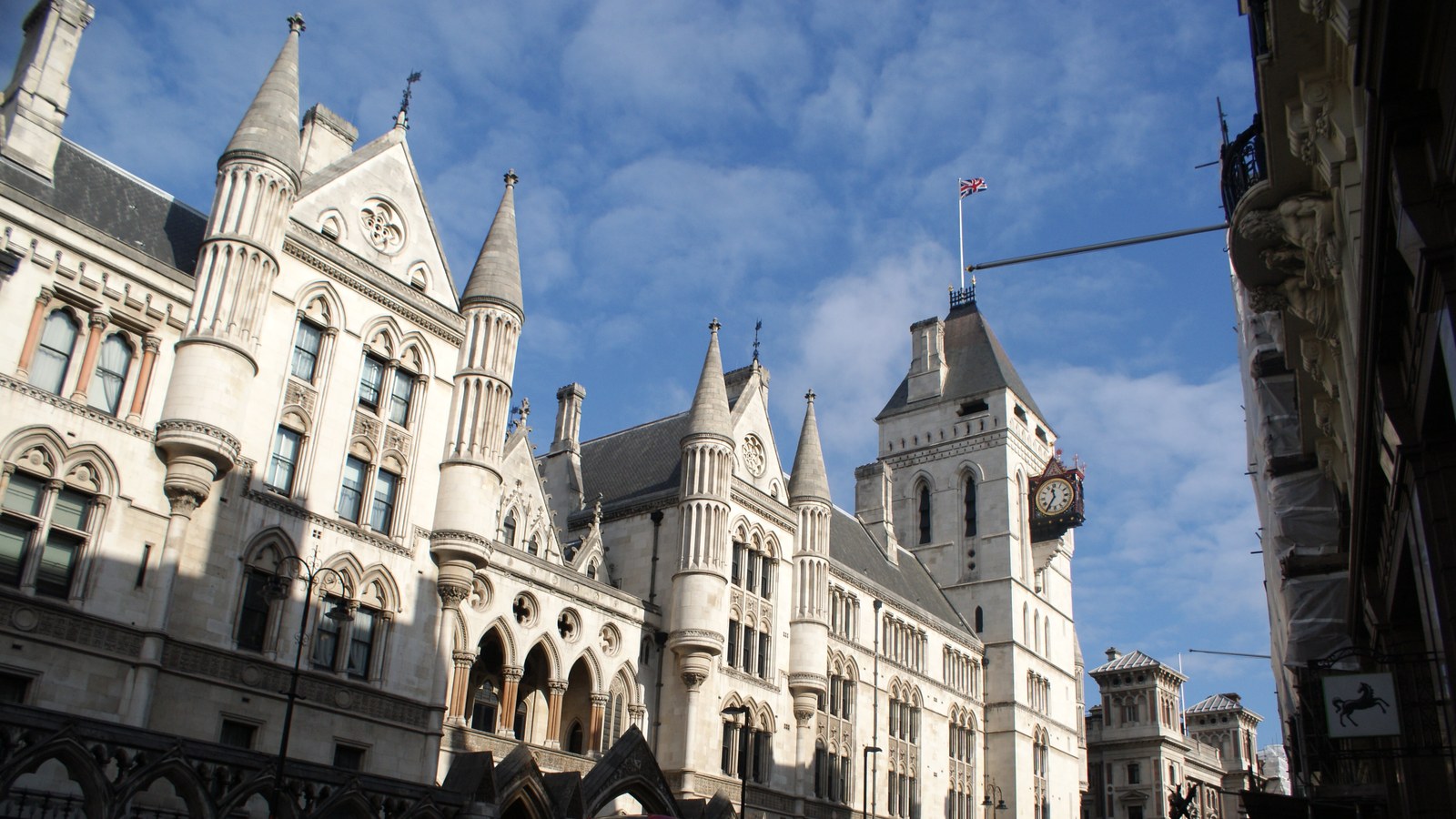
The diversity of the programme is one of the festival’s defining features. Among the buildings included is the Royal Courts of Justice on the Strand, designed by George Edmund Street in the nineteenth century and one of London’s great examples of Victorian architecture. Work began in 1874 and the building opened in 1882. On the days it is programmed, visitors can discover its cathedral-like Great Hall and historic courtrooms. The programme also features contemporary architecture and projects that show how London continues to change.
St Bartholomew’s Hospital
Another example in this year’s listings is the North Wing of St Bartholomew’s Hospital. The Grade I listed building, designed by James Gibbs and completed in 1732, contains two particularly significant interiors: the Great Hall and the Hogarth Stair. The staircase is known for its large paintings by William Hogarth. Spaces such as these show that the festival goes beyond façades, giving visitors a chance to discover art, history and institutions that have operated in London for centuries.
English National Ballet opens its home
The programme also includes English National Ballet’s Mulryan Centre for Dance. On its festival days, visitors can see spaces used by professional dancers and learn more about costumes and the company’s work. Some activities are drop-in; behind-the-scenes tours need to be booked. It is an example of how Open House links the architecture of buildings with the life inside them.
A new festival hub for 2026
New for this year is the Festival Hub at The London Centre, in the west wing of the Guildhall complex. The space is a base for visitors exploring the City of London, with festival information and short talks about the architecture and development of the capital. The hub is open on Saturday 12 September from 11:00, and again on 19 September. The London Centre also holds large-scale models of London. One model is 16.5 metres long and represents more than 247 square kilometres of the capital and about 42 kilometres of the River Thames.
Not everything requires booking
A significant part of the programme can be visited without a reservation. Organisers provide a “No booking needed” collection for people who want to explore spontaneously. Highly popular buildings and tours may still require reservations, have limited capacity or use ballot systems. Visitors should check the official programme before they set out.
More than a festival of buildings
Open House Festival also aims to encourage discussion about how cities are built and transformed. Open City, the charity behind the festival, works to make architecture, special sites and neighbourhoods more open, accessible and equitable. The festival puts people in contact with architects, historians, communities and those who use or manage the buildings. A building is therefore explored not only through its façade but through its history, purpose and people.
Nine days to explore London
Open House Festival 2026 continues until 20 September. For nine days, London offers the public a different view of the city: from centuries-old buildings to contemporary projects, from major institutions to homes and community spaces. For a few days, the question is not simply what can be seen from the street, but what lies behind London’s doors.
Photo: Robert Lamb / Geograph Britain and Ireland, CC BY-SA 2.0. Royal Courts of Justice on the Strand, London, a building in the Open House Festival 2026 programme. Archive photograph of the façade, not from inside the 2026 event. The image was cropped to 16:9. Original file.
Sources consulted: Open House Festival 2026 — official programme; Open House Festival 2026 | Open City; Open House Festival Hub @ The London Centre; Royal Courts of Justice | Open House Festival; St Bartholomew's Hospital | Open House Festival; English National Ballet | Open House Festival; No booking needed! | Open House Festival.





0 Comments
No comments on this article yet. Be the first!