


Jeffrey George Ewert is convicted. He is not a suspect. In 1984, in British Columbia: second-degree murder and attempted murder. The parole file, as Radio-Canada retells it: he sexually assaulted and killed a woman, then, in less than six weeks, violently attacked a 15-year-old girl, left paralysed for life. A life sentence. Day parole in 2025, extended by six months in June. Clinical assessments: risk of reoffending from moderate to high. With close supervision in a halfway house, the board sees it toward moderate. Concern, still there, about his attitude toward women. The Montreal Gazette: the board knew he planned a university and kept the day parole, even though he had breached, more than once, the conditions on contacts with women.
From August he took law courses at McGill and attended faculty events. CBC, 16 October: the campus is split. Women students, anonymously, said the university had not told them their classmate’s violent past. A lack of transparency, in a faculty with many young women. One found out herself and asked to be told what safety measures were in place, so she could set her own limits. Others, including two students who had seen him on campus, said they never felt in danger. A distinction: discomfort, not an active threat. His lawyer, Nora Demnati, has defended him. It is not a faculty verdict. It is a corridor split.
McGill invoked privacy law and would not comment on the case. Criminal-record checks, it wrote, are not part of standard Canadian admissions. On Friday Angela Campbell, the provost, sent an email: when she was informed of a situation that could compromise the learning environment, the university acted in a measured, decisive way. The person named in the media has not been on campus since early October. Demnati confirmed that. A fair process, with the interests of the parties, is under way. The worries, she wrote, are legitimate. Why it was not spoken of earlier remains the question in the email, not an answer.
Ewert has not been on campus since 6 October, in CBC’s account. Anyone who demands an immediate expulsion skips the board and the law. Anyone who demands silence skips the students who were not told. Rehabilitation is one policy. Safety is another. At McGill they met in a law classroom.
The board kept the day parole. The university is reviewing admissions and safety protocols. The students ask for transparency. The lawyer asks for a distinction. Between them sits a man in his sixties, convicted, who took classes until the start of the month. The facts of 1984 are judged. The presence of 2026 is under review. They mix only if someone wants one verdict for two decades.
Until McGill’s decision, what remains is the email, the absence from campus and the parole file. After a decision, what remains is whether a law faculty can hold, at the same time, a second chance and a first briefing.
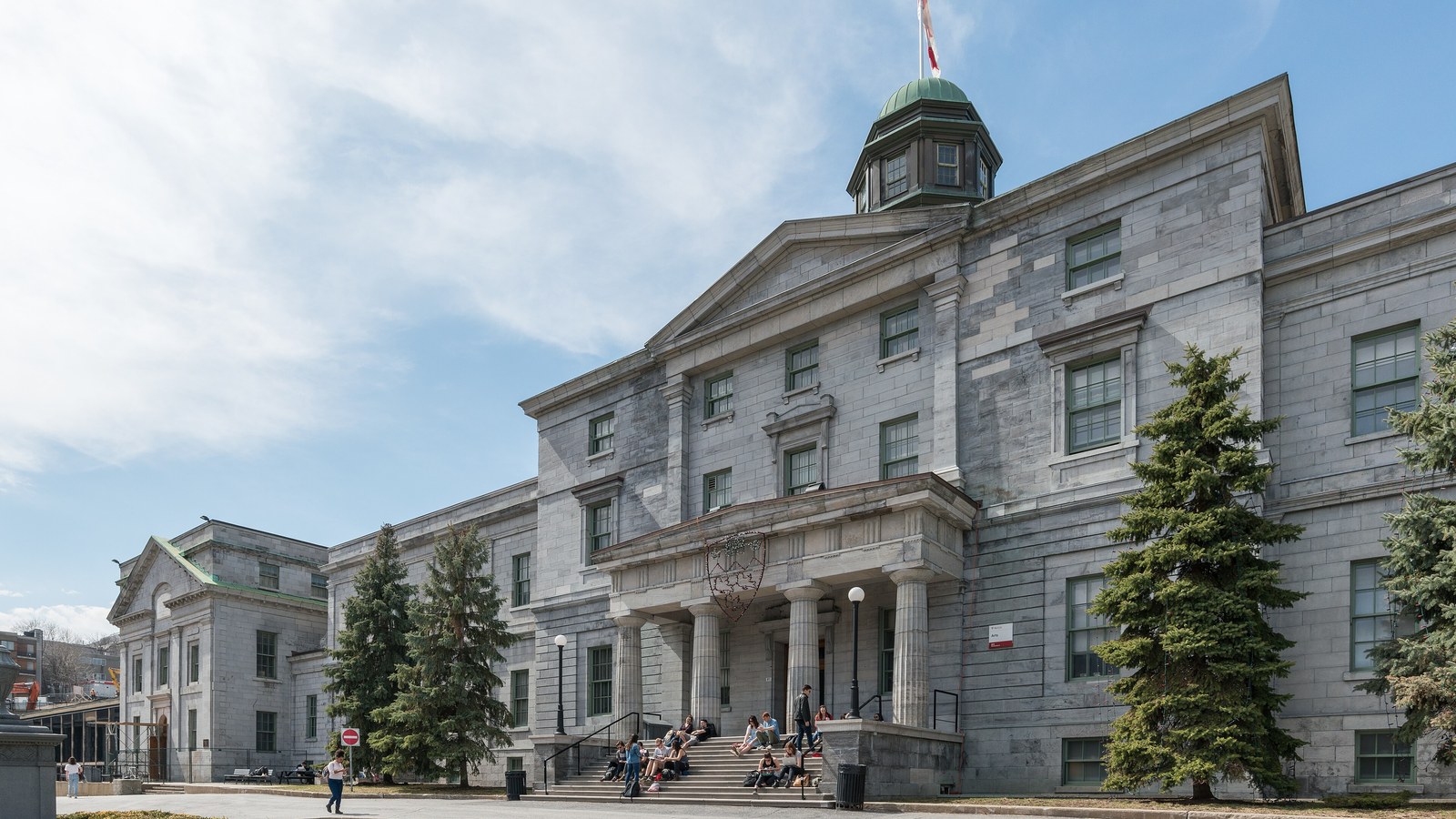
Image: DXR, Arts Building, McGill University, Montreal, 10 April 2017, CC BY-SA 4.0, Wikimedia Commons. The photograph is of the building, not a classroom.
Sources consulted: Convicted killer attending McGill law school divides students over safety, 2nd chances — CBC News; A murderer among the students of McGill’s Faculty of Law — Radio-Canada.











0 Comments
No comments on this article yet. Be the first!