


The Treaty establishing a Single Council and a Single Commission of the European Communities, known as the Merger Treaty or Treaty of Brussels, was signed at Brussels on 8 April 1965. Plenipotentiaries of the Six: Paul-Henri Spaak, Kurt Schmücker, Maurice Couve de Murville, Amintore Fanfani, Pierre Werner, Joseph Luns. A single original, Dutch, French, German and Italian, equally authentic; depositary: the Italian Government. Article 38: ratification; entry into force on the first day of the month following the last instrument — 1 July 1967. It is not the 1948 Brussels Treaty and not the 1957 Euratom Treaty, which remains a distinct Community.
The preamble invokes Article 96 ECSC, Article 236 EEC and Article 204 Euratom. Article 1 establishes the Council of the European Communities, in place of the ECSC Special Council of Ministers and the Councils of the EEC and Euratom; it exercises the powers in the three Treaties. Article 2: one member of each government; six-month presidency, in the order Belgium, Germany, France, Italy, Luxembourg, the Netherlands. Article 4: the committee of Permanent Representatives prepares the work. Articles 5–6: rules of procedure; salaries of the institutions, by qualified majority.
Article 9 establishes the Commission of the European Communities, in place of the ECSC High Authority and the EEC and Euratom Commissions. Article 10: nine independent members, at least one from each State, not more than two of the same nationality; they take no instructions. Articles 11–14: appointment by common accord, a four-year term, a President and three Vice-Presidents for two years. Article 18: an annual report to the Assembly. Article 32: for up to three years, a Commission of fourteen members, as a transitional step.
Article 20: a single budget of the Communities, with the exceptions for the Euratom Supply Agency and research. Article 24: officials of the three Communities form a single administration. Article 28: privileges and immunities, with an annexed Protocol. Article 37: problems peculiar to Luxembourg are settled by the Representatives of the Governments, with the same date of entry into force. The Communities remain legally distinct, but share institutions.
Article 39 deposits the original in Rome. The Treaty of Amsterdam, Article 9(1), repealed it from 1 May 1999, retaining the essential elements. It is not the Treaty of Lisbon.
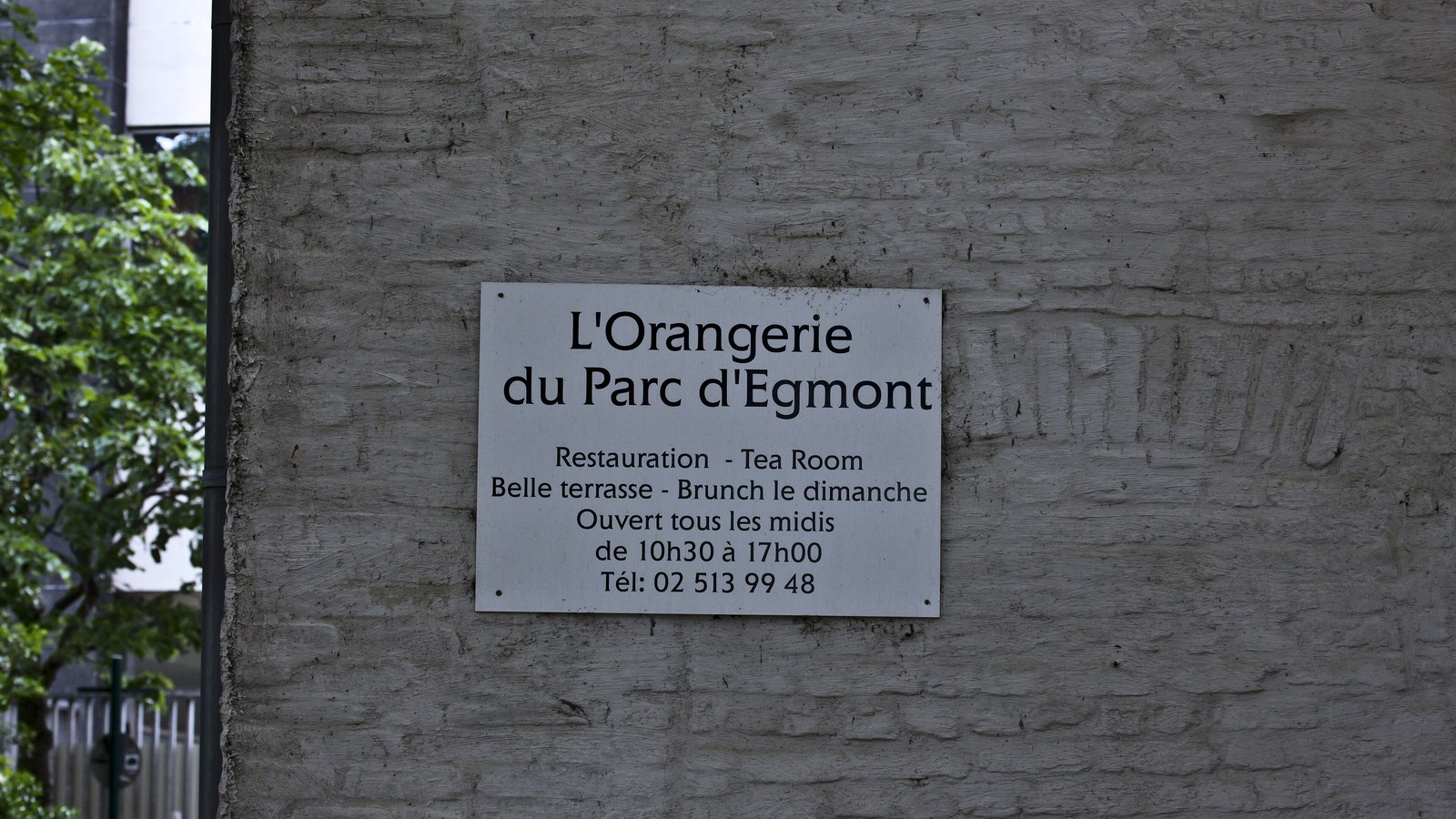
Cover: Egmont Park in Brussels; the palace is a usual Belgian signing venue, with no 1965 inner room claimed. Wikimedia Commons, free licence.
Sources consulted: Merger Treaty; Treaty establishing a Single Council and a Single Commission of the European Communities.











0 Comments
No comments on this article yet. Be the first!