


On Friday 6 November, Donald Trump named Stephen Miller White House chief of staff, replacing Susie Wiles. The change follows the Republicans’ loss of Congress in Tuesday’s midterm elections, Reuters and AFP reported, in an account carried by Dawn. The House and the Senate both pass to the Democrats. The appointment takes effect on Monday.
Trump wrote that Miller is “one of my most trusted advisers” and that Wiles had done “an outstanding job”. A White House official told Reuters that Miller’s selection points to a hard line on domestic policy. Another put it this way: “He’s rewarding those most loyal to him. He’s not changing course.” Miller had been Wiles’s deputy since 2025, and he was in Trump’s circle in the first term, from 2017 to 2021. The report notes that he set a target of 3,000 arrests a day and that immigration agents widened the list to people who had lived in the United States for decades.
Wiles, 69, resigned on Thursday night and is moving to Trump’s political operation, an official said. On X she wrote that Friday was her last day in the job and that serving had been “the honor of a lifetime”, citing the border, taxes and the economy. She had recently said she had been given the all-clear after breast cancer. Dawn reports that Trump was unhappy with the political and communications operations before Tuesday, when his approval was near record lows. This week he was said to have wanted the White House to be “more aggressive” as Democrats retake congressional power, according to a person briefed on the matter. Wiles’s allies were already sharing their worries on Wednesday.
Stephen Holmes, a law professor at New York University, reads the appointment as more than a staff change. His essay, published by Project Syndicate and carried by Dawn on 13 November, starts from the explanations offered after the vote. JD Vance blames the defeat on the Iran war, the cost of living, inflation and ties with Israel. Trump allowed that “Iran was a piece of it.” Holmes writes that the appointment, three days after the election, was Trump’s reply, and that the president called Miller “very good politically.”
Senator Thom Tillis called it “the worst of all possible choices” and asked how Miller could be “the olive branch” to the new Democratic majorities. Holmes also writes that, the same afternoon, before the announcement, Trump had told 60 Minutes that the deportation policy “might be too tough” and had floated a deal with Democrats for long-settled workers. He then put the architect of that policy in charge of the White House. That is Holmes’s reading, not a White House statement.
Holmes cites exit polls: six in ten said they disapproved of ICE, and Hispanic voters backed Democrats by nearly two to one. He recalls Lindsey Graham, whom he describes as the late senator, warning colleagues earlier this year that anyone who thinks they can convince Trump that Miller is a liability should have “good luck with that.” Bill Galston of the Brookings Institution called the appointment a middle finger to the public. Holmes ends by saying Trump could, in principle, give up the war, the tariffs or the money, but not this policy. That conclusion is the author’s.
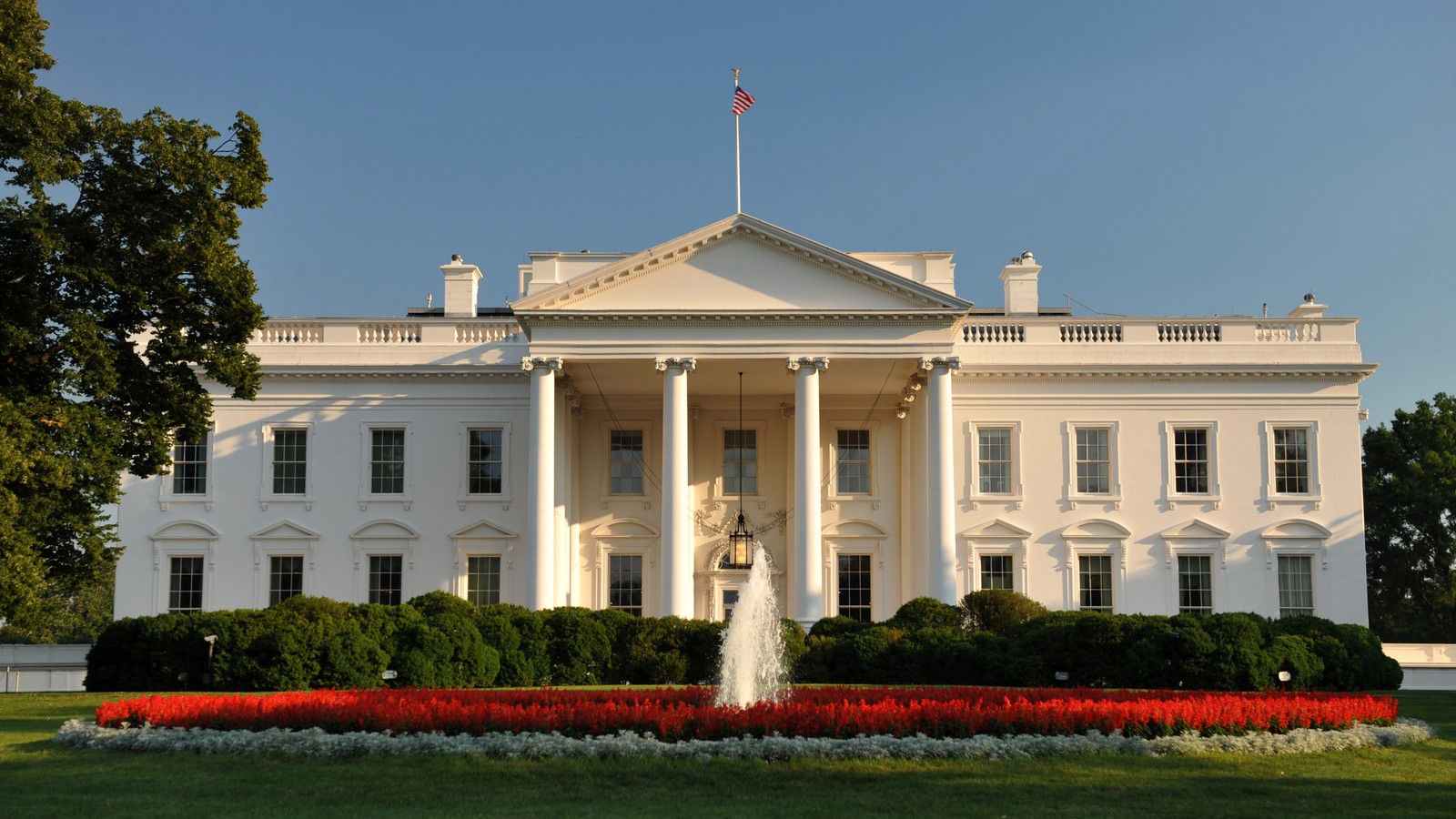
The photograph shows the White House in Washington, not Friday’s announcement and not Miller. Image: Cezary Piwowarczyk, CC BY-SA 4.0, Wikimedia Commons.
Source consulted: Why Trump crowned the man who cost him Congress, Dawn.










0 Comments
No comments on this article yet. Be the first!