


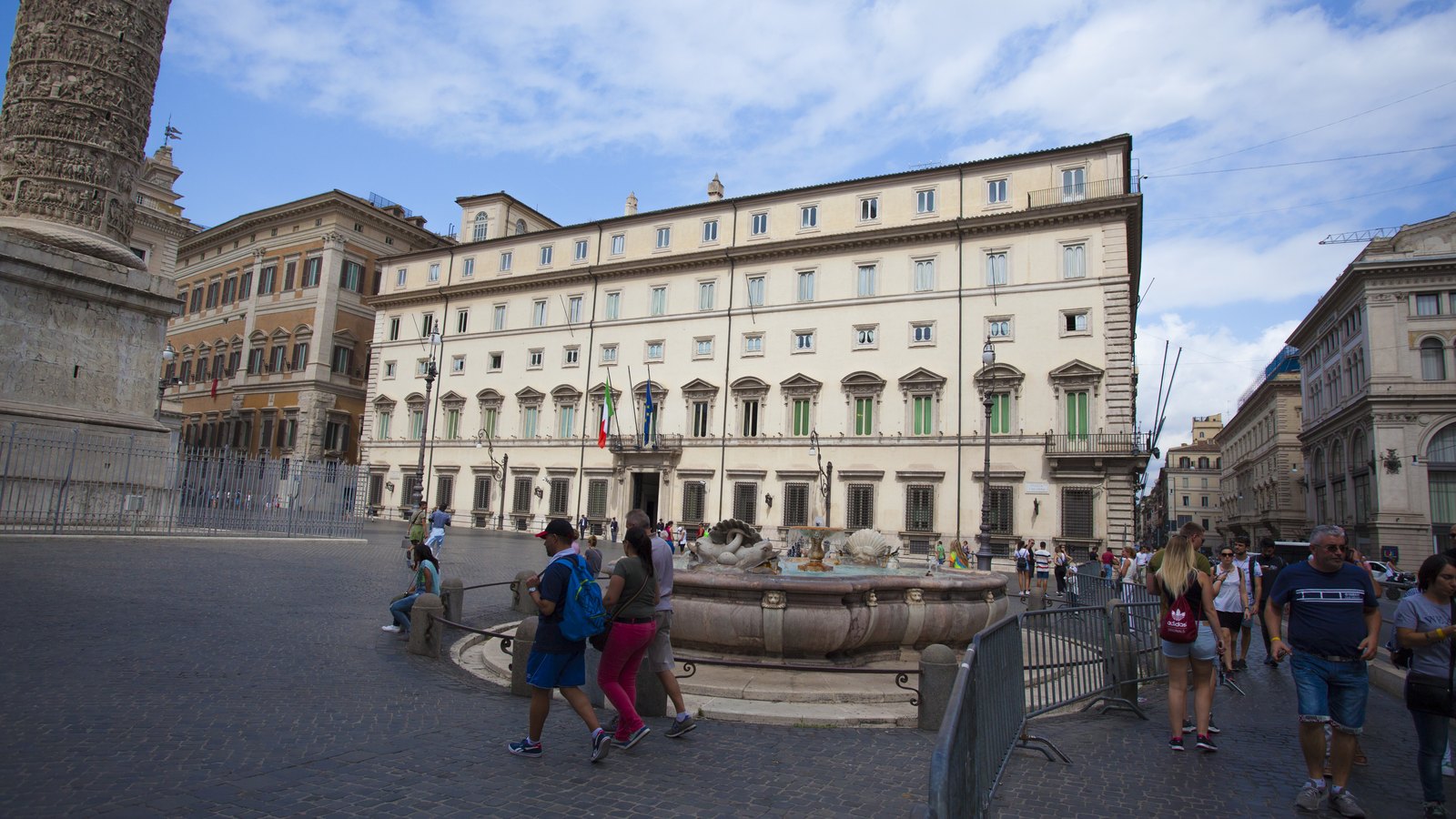
On Friday, 13 November 2026, the government and the unions met at Palazzo Chigi on the budget bill. The executive says it is dropping the measure that angered the schools and is looking for extra health money. Giorgia Meloni explained in a video that she is giving “a further signal of attention” to an institution she considers fundamental. She added that facts count more than arguments and that these were not cuts: no teacher would have lost a job, no ATA staff member would have been dismissed, no class would have been closed. The measure, she says, was starting to match new hiring to the real number of pupils, because in ten years the schools have lost almost 800,000 students as births fell.
In the same message the prime minister listed the following: in four years education resources rose 13.1 per cent compared with 2022; contracts were renewed three times in one parliament, with 419 euros more a month for teachers and 304 for ATA staff, plus back pay; about 206,000 people were hired, and another 40,000 follow next year; teachers hired in this parliament will be more than 20,000 above the previous one. On school buildings, her government has put in 14 billion euros, against 6 billion over the eleven years from Monti to Draghi. In the bill now before Parliament she wants air conditioners and heat pumps: tenders in 2027, money from 2028, “so that nobody has to study in the cold in winter or at 35 degrees in June.”
Elly Schlein, at the Festival of the Social Economy in Forlì, answered on the line Repubblica puts in its headline: “I have seen only statements from the minister. We are waiting for the facts.” Together with the school world, she said, they raised their voices against the idea of cutting 5,000 teachers and 2,000 technical and administrative posts, after last year’s cuts. “A country that does not believe in its school is a country that does not believe in its future.” She wants teachers paid better — “among the worst paid in Europe” — and a large investment in buildings. “Schools do not need roofs in order to drive out foreign children. They need roofs that do not collapse,” and buildings that meet seismic standards. She has recently visited schools that still do not.
From Perugia, Giuseppe Conte said, according to Adnkronos, that in her videos Meloni “describes an Italy that does not exist,” while people are bent by price rises and record taxes. He accuses her of sidestepping students, farmers and hauliers and of cutting middle-class pensions by up to 500 euros a year. His remedy: “turn the page” and recover money by cutting the 14 billion set aside for rearmament in the coming years, starting with the 7 billion for the F-35s. Repubblica’s deck points to Conte and the fight against precarious teaching jobs; the full piece is for subscribers, and the sentences above are the ones Adnkronos published.
Leaving Palazzo Chigi, Pierpaolo Bombardieri of the Uil called the withdrawal “good news” and asked that the money stay as investment in schools. On health, he says minister Giorgetti said that, also after talks with the State–Regions conference, they are considering extra resources. On pensions, Bombardieri wants the 800 million already set aside spent now, not in January, because “the government probably will not manage to use them before the elections.” He wants the Opzione donna scheme brought back and a guarantee pension for young people entering precarious, badly paid work. He called the executive’s proposals so far “rather muddled.”
Christian Ferrari of the CGIL left with a harder verdict: a polite meeting, but “politically useless.” The bill, he says, rests on austerity and rearmament, cuts education, takes money out of health and raises cash on pensions, both by cutting indexation and by confirming a higher retirement age. He criticised the lack of a plan for the end of the national recovery plan and for deindustrialisation, and spoke of more than 14 billion, over the next two years, for military spending: “the most colossal increase in defence spending ever seen here in peacetime.” The general strike the CGIL has called for 20 November still stands.
Adnkronos reports that the health minister, Orazio Schillaci, is said to have told the meeting that he is working with Giorgetti on larger funds and that he wants to reward people who work in the national health service, with a measure for doctors and nurses after the money already given to emergency rooms. Earlier the same day, in an interview with Corriere della Sera, Schlein had asked for the whole budget to be rewritten: even ministers Valditara and Salvini say so, she said, and so do right-wing regional presidents. Health gets 2.4 billion, half of what Schillaci asked and a third of what the regions demand, while 1.7 billion goes to a card for private healthcare, against 6 million Italians who cannot afford treatment. The Parliamentary Budget Office, not the opposition, she says, finds that the income-tax cut would help 89 per cent of managers, 12 per cent of clerical staff and 1 per cent of manual workers.
Image: Wikimedia Commons — Palazzo Chigi, Rome, September 2017 (ScareCriterion12, CC BY-SA 4.0). The photo is not from the 13 November 2026 meeting.
Sources consulted: Schlein does not trust the announcements: we wait for facts and resources — la Repubblica; The government drops the school measure, the CGIL keeps the strike — Adnkronos; Schlein: the budget must be rewritten — Corriere della Sera.







0 Comments
No comments on this article yet. Be the first!