


On 16 April 1917, at Acroma (Akrama) in Cyrenaica, the Sanūsī Order signs a modus vivendi with Britain and Italy — two provisional agreements ending the Senussi campaign of the First World War.
Negotiations were opened by Idrīs al-Sanūsī after he succeeded his uncle at the head of the order. His cousin Aḥmad al-Sharīf, who had launched war on the British with Ottoman and German help, left Libya when Italy had to be included at the table.
Italian and British delegations arrived in Tobruk; Idrīs stayed at Acroma. Messengers carried written proposals between the sites. Signature was agreed on 14 April after Rome clarified that accepting Italian demands “in principle” did not mean acceptance in detail.
The agreements call for an end to hostilities and the disbanding of the Sanūsī army, prisoner releases, free trade with the coast and Egypt, and recognition of Idrīs’s rule in the oases of Awjila, Jalu, Ajdabiya, Jaghbub and Kufra.
The Sanūsī repudiated Ottoman authority; Idrīs arrested Ottoman agents and picketed the Cyrenaica–Tripolitania frontier. Italian sovereignty was not yet officially recognised.
The modus vivendi was superseded by the accord of al-Rajima of 25 October 1920, by which Idrīs accepted Italian sovereignty.
The modus vivendi of Acroma of 16 April 1917 remains the first Sanūsī–Entente armistice that took Cyrenaica out of the Ottoman alliance.
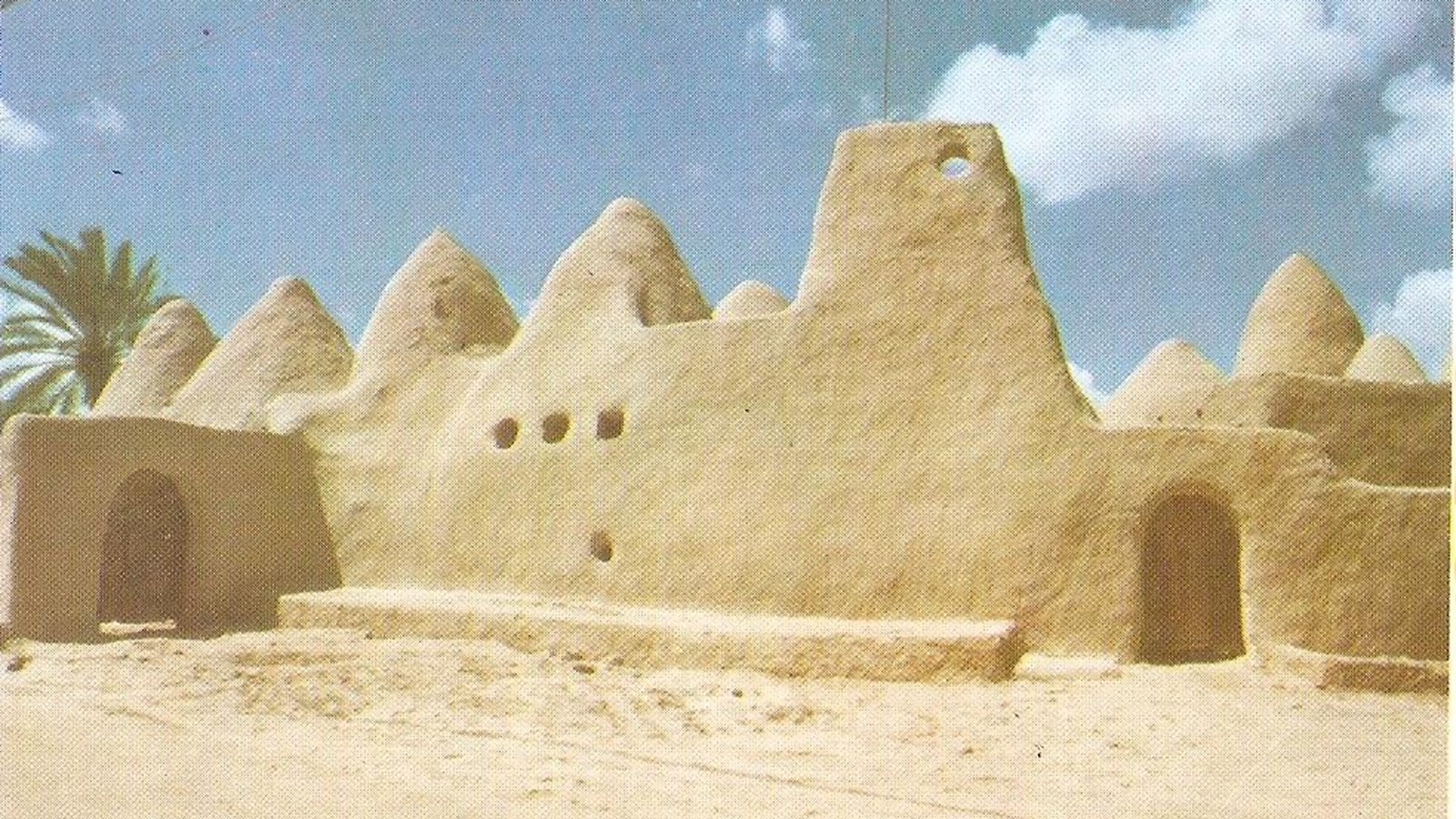
Image: Cyrenaica; Wikimedia Commons. Cropped to 16:9.
Source consulted: Modus vivendi of Acroma. Treaty text: The Sanusi of Cyrenaica (Evans-Pritchard).











0 Comments
No comments on this article yet. Be the first!