


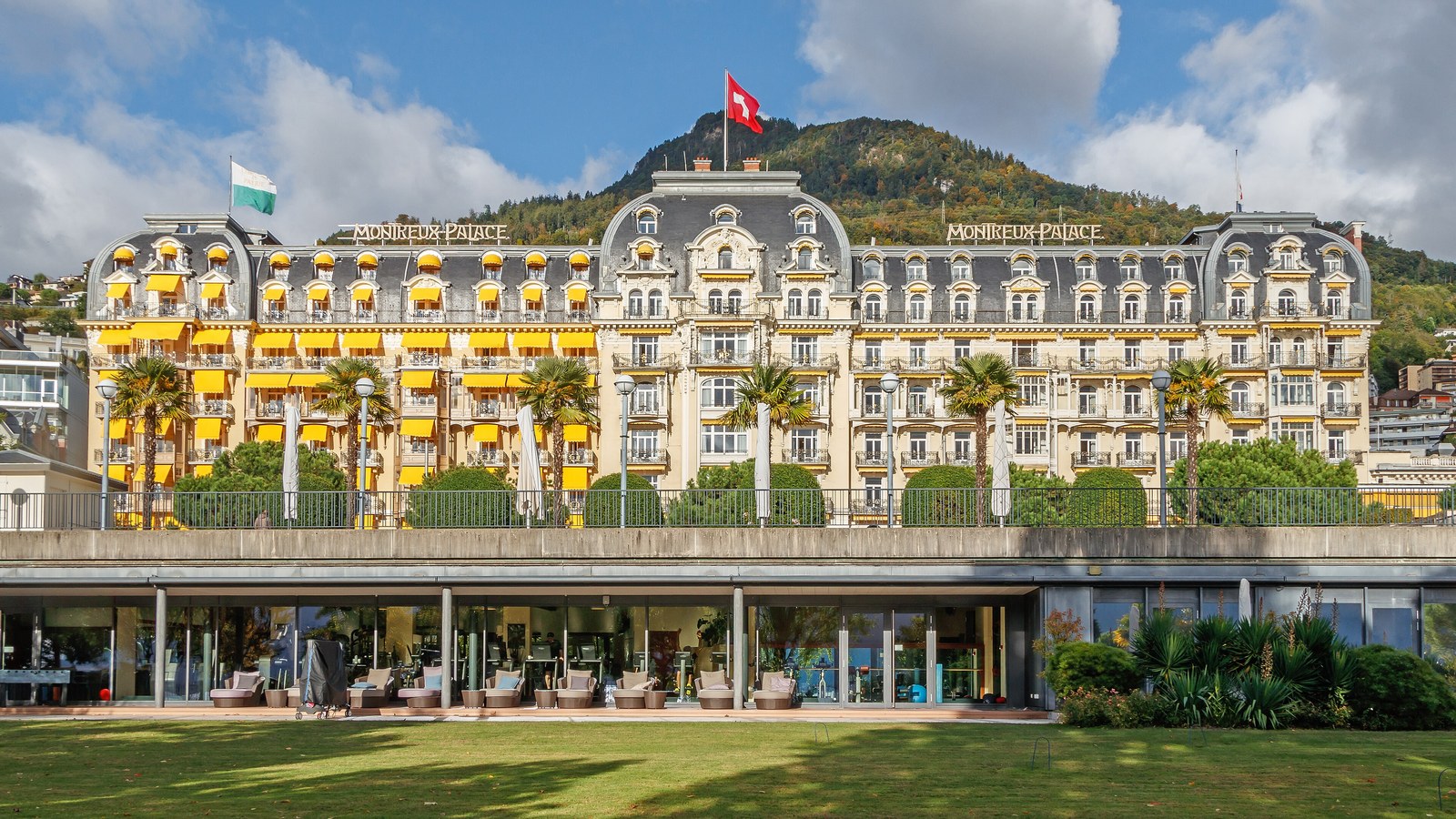
The Convention regarding the Régime of the Straits was signed at Montreux on 20 July 1936, in eleven copies; the first, with seals, remains in the archives of the Government of the French Republic. It replaces the Convention of Lausanne of 24 July 1923. The Straits, in the preamble: the Dardanelles, the Sea of Marmora and the Bosphorus. Parties: Bulgaria, France, Great Britain, Australia, Greece, Japan, Romania, Turkey, the USSR, Yugoslavia. Plenipotentiaries, after full powers: among others, Rüştü Aras and Suad Davaz, Numan Menemencioğlu, Asim Gündüz, Necmeddin Sadak (Turkey); Maxime Litvinoff (USSR); Joseph Paul-Boncour and Henri Ponsot (France); Lord Stanley (Great Britain); S. M. Bruce (Australia); Nicolas Politis (Greece); Nicolas Titulesco (Romania). Italy refused the conference; the United States sent no observer. Original language: French. Registration: LNTS vol. 173, p. 213, no. 4015, 11 December 1936.
Article 1: freedom of transit and navigation by sea in the Straits; its exercise is regulated by the Convention. Section I, merchant vessels. Article 2: in time of peace, complete freedom by day and by night, under any flag, with any cargo, without formalities other than Article 3; taxes only those in Annex I if the vessel does not call; pilotage and towage remain optional. Article 3: a stop at the sanitary station at the entrance. Article 4: war, Turkey not belligerent — freedom under Articles 2 and 3. Article 5: Turkey belligerent — vessels not belonging to a country at war with Turkey, and not assisting the enemy, enter by day on the route indicated. Article 6: imminent danger of war — Article 2 still applies, but entry by day, route indicated; pilotage may be made obligatory, without charge. Article 7: “merchant vessels” means all vessels not covered by Section II.
Section II, vessels of war. Definitions: Annex II (from the London Naval Treaty of 25 March 1936). Article 10: in peace, light surface vessels, minor war vessels and auxiliaries, Black Sea or not, free transit by day, under Article 13 and those following. Article 11: Black Sea Powers may send capital ships above the Article 14 tonnage, singly, escorted by not more than two destroyers. Article 12: Black Sea submarines constructed or purchased outside the Black Sea, or going for repair, with notice, by day, on the surface, singly. Article 13: diplomatic notification, eight days; for non-Black Sea Powers, fifteen is desirable. Article 14: aggregate tonnage in transit not more than 15,000 tons and nine vessels, save Article 11 and Annex III.
Article 18: in peace, aggregate tonnage of non-Black Sea Powers in that sea, 30,000 tons, up to 45,000 if the strongest fleet in the basin increases by at least 10,000; any one non-Black Sea Power, two-thirds at most; stay not more than 21 days. Article 19: war, Turkey not belligerent — belligerent warships shall not pass, except under Article 25 and assistance to a State victim of aggression under a treaty of mutual assistance binding Turkey, within the Covenant of the League; they may nevertheless return to base. Article 20: Turkey belligerent — passage is left entirely to the Turkish Government. Article 21: imminent danger — Turkey may apply Article 20, with notification; the Council of the League, by a two-thirds majority, plus a majority of the Parties, may require her to discontinue. Article 23: civil aircraft on routes indicated by Turkey, with notice.
Article 24: the functions of the International Commission of 1923 pass to the Turkish Government, which collects statistics, supervises warships and sends an annual report. Article 26: ratifications deposited in Paris; a procès-verbal when six instruments, including Turkey’s, have been deposited; the Convention comes into force on the date of that procès-verbal (9 November 1936). Article 27: accession open to any Power signatory of the Peace of Lausanne. Article 28: twenty years; the principle of Article 1 continues without limit of time; failing denunciation two years before expiry, it remains in force until two years after a denunciation. Article 29: revision every five years; Articles 14 and 18 need one other Party and a three-quarters majority, including three-quarters of the Black Sea Powers, among them Turkey.
The Protocol, in force from the day of signature: Turkey may immediately remilitarise the zone of the Straits; from 15 August 1936 she shall provisionally apply the régime. Japan reserves, ad referendum, the interpretation of Articles 19 and 25 vis-à-vis the Covenant, not being a member of the League. This is not the Straits Convention of 13 July 1841, and not the demilitarisation instrument of Lausanne in 1923. The cover is Montreux Palace, the place of the conference and of signature.
Sources: Montreux Convention Regarding the Regime of the Straits; League of Nations Treaty Series, vol. 173, p. 213.











0 Comments
No comments on this article yet. Be the first!