


On 29 October 2010, in Nagoya, Japan, the tenth meeting of the Conference of the Parties to the Convention on Biological Diversity adopted the Nagoya Protocol on Access to Genetic Resources and the Fair and Equitable Sharing of Benefits Arising from their Utilization. Done at Nagoya that day, in Arabic, Chinese, English, French, Russian and Spanish equally authentic. Depositary: the Secretary-General of the United Nations. It is not the Rio Convention of 1992 itself, nor the Cartagena Protocol on Biosafety, nor the Nagoya–Kuala Lumpur Supplementary Protocol on Liability. Signature opened at United Nations Headquarters in New York only from 2 February 2011 to 1 February 2012 (Article 32). The objective, Article 1: the fair and equitable sharing of benefits from the utilization of genetic resources, including by appropriate access, transfer of relevant technologies and funding, thereby contributing to conservation and sustainable use.
Article 2 takes over the Convention’s terms; “utilization” means research and development on the genetic and/or biochemical composition, including through biotechnology; “derivative” — a naturally occurring biochemical compound resulting from the genetic expression or metabolism of biological or genetic resources, even if it does not contain functional units of heredity. Article 3: it applies to genetic resources within Article 15 of the Convention and to associated traditional knowledge. Article 4: it shall not affect other agreements except where their exercise would cause serious damage or threat to biological diversity; it is not intended to create a hierarchy; specialized access and benefit-sharing instruments that are consistent with the Convention and this Protocol — for example the multilateral system of the International Treaty on Plant Genetic Resources for Food and Agriculture — take those specific resources outside the Protocol for the purpose of the specialized instrument.
Article 5: benefits from utilization, subsequent applications and commercialization shall be shared with the Party providing the resources, the country of origin or a Party that has acquired them in accordance with the Convention, upon mutually agreed terms; likewise for resources and knowledge held by indigenous and local communities. Benefits may be monetary or non-monetary, as listed in the Annex. Article 6: in the exercise of sovereign rights, access for utilization shall be subject to the prior informed consent of the providing Party, unless that Party determines otherwise; measures for legal certainty, fair and non-arbitrary rules, a written decision, a permit or equivalent notified to the Clearing-House, community involvement, and written terms (including a dispute clause, intellectual-property terms, third-party use and change of intent). Article 7: associated traditional knowledge, with the prior informed consent or approval and involvement of the communities. Article 8: simplified measures for non-commercial research; present or imminent emergencies threatening human, animal or plant health; genetic resources for food and agriculture.
Articles 15–18: each Party shall take measures providing that resources and knowledge utilized within its jurisdiction have been accessed with prior informed consent and mutually agreed terms, as required by the other Party’s law; co-operation in alleged violations; checkpoints along the research-to-commercialization chain; a permit notified to the Clearing-House constitutes an internationally recognized certificate of compliance (issuing authority, date, provider, unique identifier, person to whom consent was granted, subject-matter, confirmation of PIC and MAT, commercial or non-commercial use). Recourse under domestic systems; recognition of foreign judgments and awards. Article 14: the ABS Clearing-House, part of the Convention’s clearing-house mechanism. Article 10: Parties shall consider a global multilateral benefit-sharing mechanism for transboundary situations or where prior informed consent cannot be granted or obtained. Article 13: a national focal point and competent national authorities.
Article 33: it shall enter into force on the ninetieth day after the fiftieth instrument of ratification, acceptance, approval or accession by States or regional economic integration organizations that are Parties to the Convention — 12 October 2014. An instrument deposited by an integration organization shall not be counted as additional to those of its member States. Article 34: no reservations. Withdrawal after two years in force for that Party, taking effect after one year. The Convention Secretariat serves the Protocol. The COP serves as the meeting of the Parties. It is not the Kyoto Protocol and not the later multilateral framework on digital sequence information.
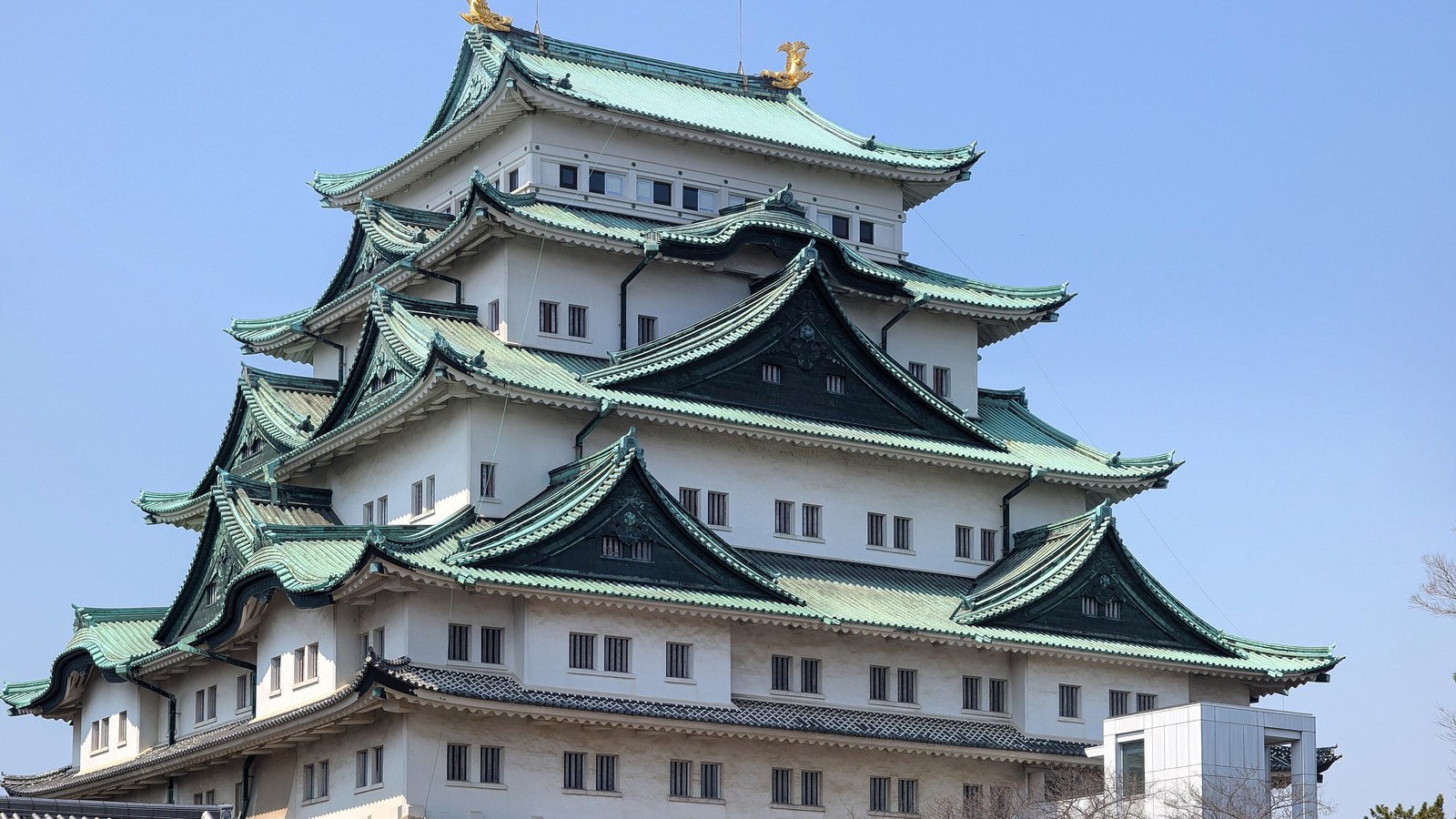
Nagoya Castle, in the city where the Protocol was adopted. Not the conference hall. Wikimedia Commons, CC0.
For context: Nagoya Protocol. The text: Nagoya Protocol on Access to Genetic Resources and the Fair and Equitable Sharing of Benefits Arising from their Utilization.











0 Comments
No comments on this article yet. Be the first!