


The Agreement for the mutual safeguarding of secrecy of inventions relating to defence and for which applications for patents have been made was signed in Paris on 21 September 1960 by representatives of Belgium, Canada, Denmark, France, the Federal Republic of Germany, Greece, Italy, Luxembourg, the Netherlands, Norway, Portugal, Turkey, the United Kingdom and the United States — Parties to the North Atlantic Treaty of 1949. Iceland, a founding member without a standing army, did not sign. The English and French texts are equally authentic, in a single copy deposited in the archives of the Government of the United States, which transmits certified copies. Signatories included André de Staercke, Jules Léger, Pierre de Leusse, Frank K. Roberts and Joseph J. Wolf. It is not the 1970 NATO Agreement on the communication of technical information for defence purposes, signed in Brussels.
The preamble ties the instrument to Articles 2 and 3 of the North Atlantic Treaty: economic collaboration and the collective capacity to resist armed attack. Secrecy imposed on a defence-related invention in one member State generally brought with it a ban on applying for a patent in the others, including Alliance countries; the territorial limit could prejudice applicants and collaboration. Mutual assistance sometimes required the communication of such inventions, which the same ban obstructed. If the originating Government is prepared to authorise filing in another State, provided that State also imposes secrecy, the latter should not be free to refuse. The Parties also recall the existing arrangements for protecting classified information they interchange.
Article I: the Parties shall safeguard the secrecy of inventions for which patent applications have been received under agreed procedures whenever secrecy has been imposed, in the interests of national defence, by the Government first to receive an application — the “originating Government”. The clause does not prejudice that Government’s right to prohibit filing with one or more of the others. Operational procedures remain to be developed; the article does not set out a classification circuit. Article II: Article I is applied at the request of the originating Government or of the applicant, if the latter shows that secrecy has been imposed and that he has been authorised to file a secret patent in the country concerned.
Article III: the Government called upon to safeguard secrecy may require from the applicant a waiver of any claim to compensation for loss or damage due solely to the imposition of secrecy, as a condition of the safeguard. Article IV: secrecy measures are removed only at the request of the originating Government, which gives the others six weeks’ notice of its intention to lift its own measures and takes their representations into account as far as possible, having regard to the security of the Organization. Article V: bilateral agreements for the same purpose remain possible; existing ones are unaffected.
Article VI: instruments of ratification or approval are deposited with the Government of the United States, which informs the signatories. Entry into force: thirty days after two instruments have been deposited — 12 January 1961, the United States and Norway. For each of the others, thirty days after its own deposit. Article VII: written denunciation, effective after one year, without affecting obligations already contracted or rights previously acquired. Romania later acceded, in 2005.
The text consulted is UNTS No. 5664, volume 394. The Agreement is a short instrument of mutual recognition of defence-patent secrecy, not a handbook on classifying inventions.
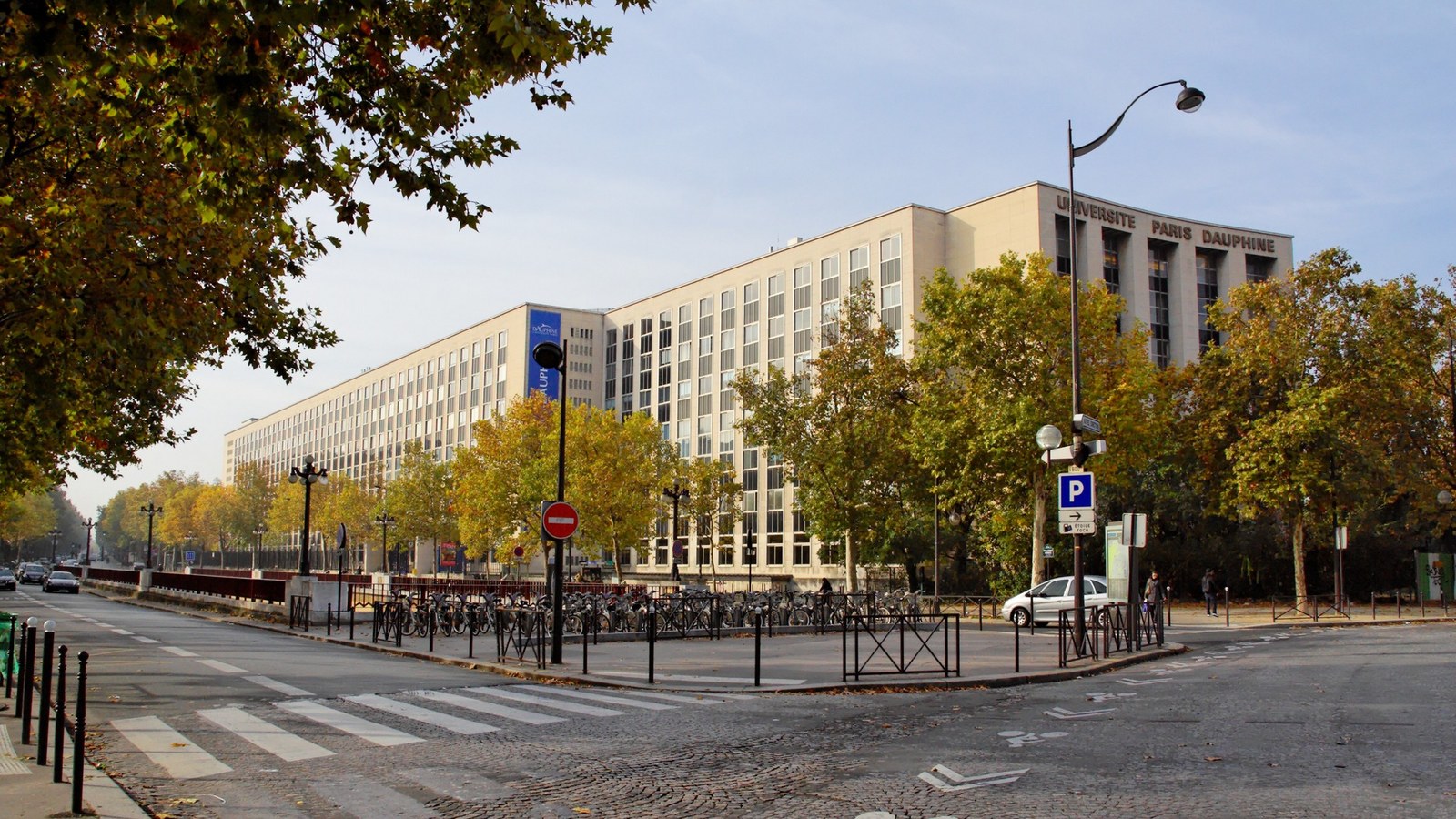
Cover: Université Paris-Dauphine, the former Palais de l’OTAN at Porte Dauphine, the Alliance’s headquarters at the time of signature; we do not claim the hall. Wikimedia Commons, free licence.
Sources consulted: NATO Agreement on Safeguarding Defence-Related Inventions; UNTS No. 5664 Agreement for the mutual safeguarding of secrecy of inventions relating to defence.











0 Comments
No comments on this article yet. Be the first!