
NATS has published a preliminary report on the 8 September 2026 incident: a previously unknown software defect in a legacy module of the National Airspace System. In a window of about one millisecond, a manual request for a squawk code was interrupted by a higher-priority task; when processing resumed, flight data were corrupted.
Restrictions lasted about six hours. The fault first hit London Area Control, for flights mainly above about 24,500 feet. To restart the system and reload data, limits were extended across UK airspace. NATS says safety was not compromised and that the incident was not an attack and not an operational human error.
The report speaks of more than 2,000 flights delayed, cancelled or diverted — not 2,000 cancellations alone. NATS handled 6,094 flights against a forecast of about 8,000. Hundreds of thousands of passengers were affected; the passenger backlog took more than two days to clear.
Temporary mitigations are in place while a permanent fix is safety-tested. A preliminary report does not close the investigation or settle compensation.
The UK transport secretary asked the Civil Aviation Authority to check the findings independently, together with investment plans for resilience and regulatory accountability. The CAA is to set out terms of reference; the review is due within six months.
This account uses the NATS statement and preliminary report, not an accident round-up. It does not show aircraft in danger and does not assign financial blame before authorities decide.
The millisecond, the squawk and the six hours are enough facts. Who pays remains open.
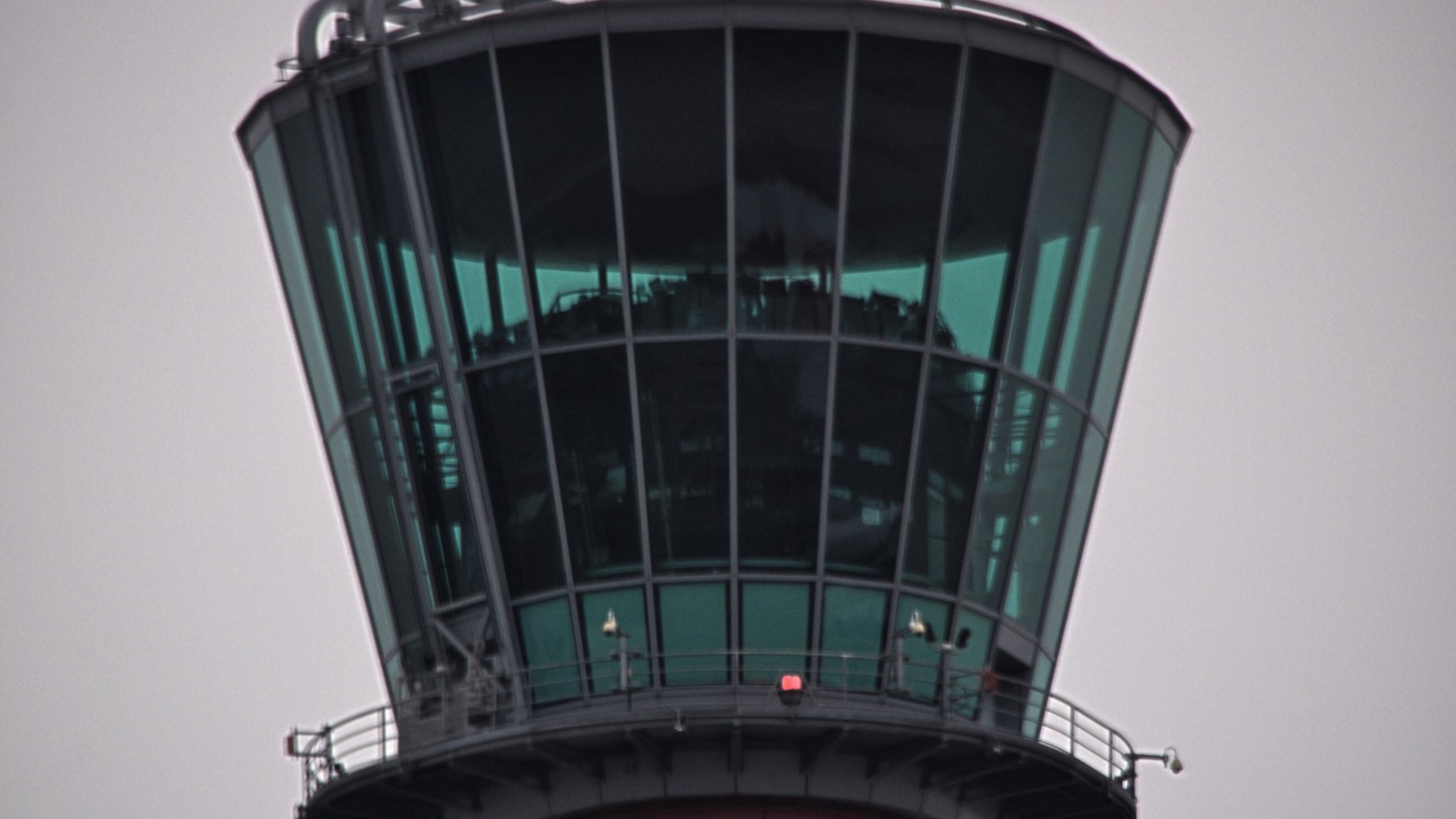
Image: Lewis Clarke, Heathrow control tower, CC BY-SA 2.0, Wikimedia Commons. Not the NATS Swanwick centre.
Source consulted: NATS publishes preliminary report on technical incident of 8 September.






0 Comments
No comments on this article yet. Be the first!