


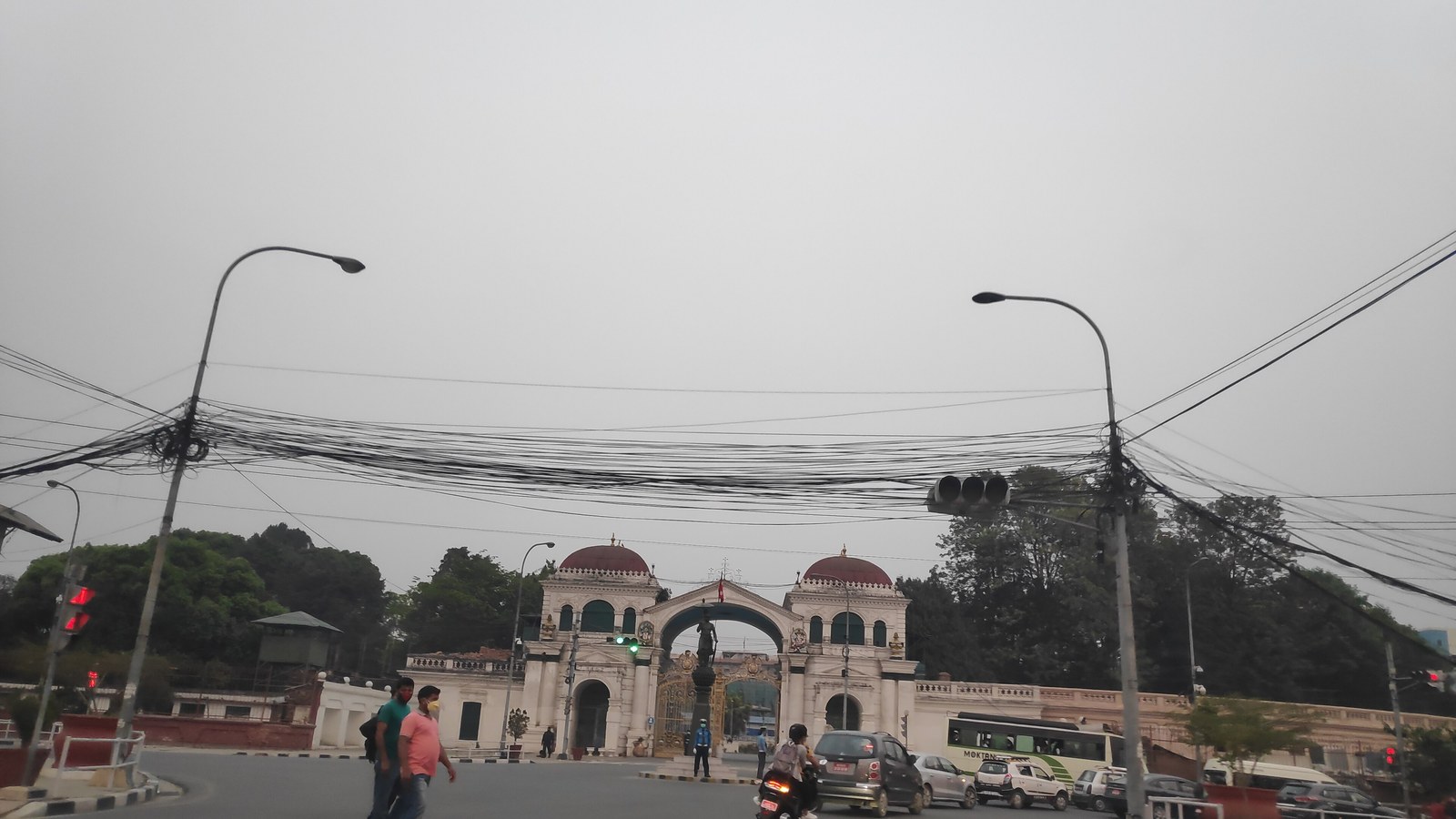
On 21 December 1923, at Singha Durbar palace in Kathmandu, the Treaty between the United Kingdom and Nepal is signed, together with a note on the importation of arms. For London: Lieutenant-Colonel W. F. T. O'Connor, C.I.E., C.V.O., British Envoy at the Court of Nepal. For Nepal: General His Highness Maharaja Sir Chandra Shumshere Jung Bahadur Rana, Prime Minister and Marshal. Two languages: Nepali and English. The Nepali date: 6 Paush, Sambat 1980. Seals, in the palace hall.
The preamble recalls peace since the Treaty of Segowlie of 2 December 1815, which ended the Anglo-Nepalese War. Articles 6–8 of that instrument had limited the service of British, European or American subjects without British consent, referred differences with Sikkim to the East India Company’s arbitration, and placed accredited ministers at each court. Chandra Shumshere wants recognition of full sovereignty. In 1921, when the Prince of Wales, later Edward VIII, comes to Kathmandu, he raises the question. Talks last more than a year, in Kathmandu, in Nepal and in London.
Article 1: perpetual peace and friendship; the two governments agree mutually to acknowledge and respect each other’s independence, both internal and external. Article 2: all previous treaties, agreements and engagements since and including Segowlie are hereby confirmed, except so far as they may be altered by the present treaty. They are not cancelled.
Article 3: the parties inform each other of any serious friction with a neighbouring state whose territory adjoins their common frontiers, and each exerts its good offices as far as possible. Article 4: each uses such measures as it deems practicable to prevent its territories being used for purposes inimical to the security of the other.
Article 5: Nepal may import from or through British India arms, ammunition, machinery, warlike material or stores, so long as the British Government is satisfied that Nepal’s intentions are friendly and that there is no immediate danger to India. Nepal agrees that there shall be no export of such arms across the frontier, by the government or by private individuals. If a convention regulating the arms traffic, to which Britain is a party, comes into force, Nepal must first become a party and import only under that convention. In the annexed note, Chandra Shumshere undertakes to furnish detailed lists to the Envoy before importation at British Indian ports, so that customs may apply Article 6.
Article 6: no customs duty at British Indian ports on goods imported on behalf of the Nepal Government, against a certificate that they are government property, required for public services, and not for any state monopoly or state trade. For trade goods sent to Kathmandu without breaking bulk, a rebate of the full duty paid, customs seals unbroken; repacking under customs supervision is allowed. Article 7: ratifications to be exchanged at Kathmandu as soon as practicable.
The exchange is on 8 April 1925, again at Kathmandu. The text is published as Treaty Series No. 31 (1925), Cmd. 2453, and is registered in 1925 with the League of Nations. The British representative in Nepal, previously styled Resident, is from then titled Envoy. The treaty lasts until 31 July 1950, when the Treaty of Peace and Friendship between India and Nepal supersedes it.
Image: Gaurav Dhwaj Khadka, Singha Durbar, Kathmandu, 15 April 2021, CC BY-SA 4.0, Wikimedia Commons. Cropped to 16:9.
Source consulted: Nepal–Britain Treaty of 1923. Treaty text: Treaty between the United Kingdom and Nepal, Treaty Series No. 31 (1925).











0 Comments
No comments on this article yet. Be the first!