
A new phase of archaeological investigation is beginning at Flag Fen, one of Britain’s most important and unusual surviving Bronze Age sites. The UK Government and Historic England announced on 13 September 2026 that £700,000 has been secured for a major excavation near Peterborough in Cambridgeshire. Archaeologists will investigate and record timber structures built around 3,500 years ago, at a moment when drying peat and falling groundwater threaten organic remains that survived for millennia in waterlogged ground.
A 3,500-year-old timber monument
Flag Fen sits in a prehistoric landscape on the edge of Peterborough. Its most striking feature is a monumental timber causeway and platform. Few Bronze Age platform structures survive anywhere in the world. Historic England regards the site as nationally significant because of its scale, complexity and completeness. Peterborough City Council presents it to visitors as a place to see remains of the preserved causeway and a reconstructed prehistoric landscape.
Why was the causeway built?
The new work aims to fill gaps in how the monument is understood. Jacqueline Mooney, general manager of Flag Fen Archaeological Park, said the funding will make it possible to collect evidence still missing from attempts to understand why Bronze Age people around Peterborough built the wooden causeway. Site management interprets the structure as an example of human ingenuity at a time when the ground was becoming wetter and more marshy, and communities had to cross and use the new landscape. That is an interpretation attributed to Flag Fen’s leadership, not a demonstrated conclusion that climate change was the sole reason for construction.
Why the timber survived — and why the site is now at risk
Waterlogged peat helped preserve timber and other organic material for thousands of years. In drier conditions such remains usually disappear far faster than stone or ceramics. Those conditions are changing. The government announcement warns that ancient wooden artefacts and fragile organic remains are threatened by degrading groundwater levels and the drying of surrounding peat, with the risk of “catastrophic loss” of evidence. Recent evaluation excavations confirmed that organic remains, including ancient worked wood, are deteriorating. Flag Fen has been on Historic England’s Heritage at Risk Register since 2012.
Mooney warned that around 40% of the site’s precious buried archaeology is at serious risk of being lost forever in a few short months if deterioration continues. The figure is an estimate given by Flag Fen’s management, not an independent measurement by RoAdevăr.
£700,000 for the western post alignment
The project will receive £700,000 through the Countryside Stewardship Heritage Service, Defra’s partnership with Historic England. Farming Minister Stephen Morgan visited the site with project partners on Thursday 10 September. The official funding announcement was published on Sunday 13 September 2026. The new excavation will focus on the western post alignment. Archaeologists will try to uncover and record timber and associated deposits before they are lost, to understand more about the monument’s size, construction and use, and to support longer-term conservation, including how Flag Fen is presented to visitors.
Earlier research, Must Farm boats and community archaeology
Flag Fen has been studied for decades. A Historic England report published in 2024, based on an autumn 2021 condition assessment, documented the risk of losing preserved archaeology after groundwater levels fell as surrounding fens were drained for agriculture. Dendrochronological analysis of oak timbers from that investigation confirmed a late Bronze Age date. Research at Flag Fen has also, over the years, included pollen, plant remains and insects, which help reconstruct the environment in which prehistoric communities lived.
The archaeology park also holds artefacts from the wider prehistoric landscape. Eight Bronze Age logboats were discovered in 2011–2012 at Must Farm, near Whittlesey, not at Flag Fen itself, and were later conserved at Flag Fen Archaeology Park. They were made by hollowing tree trunks; study of the boats has yielded information on tree species, felling, tools and construction techniques used to move through wetland.
The excavation will not be limited to professionals. Volunteering opportunities are planned for the local community, university students, young carers and returning volunteers from earlier surveys. Participants will receive progressive training, with the aim that some can become supervisors or tour leaders. A long-term objective is to remove Flag Fen from the Heritage at Risk Register, through recording vulnerable remains, a better conservation strategy and strengthening the site as a cultural destination for Peterborough. After around 3,500 years of preservation, the coming months and years may be decisive for some of this evidence.
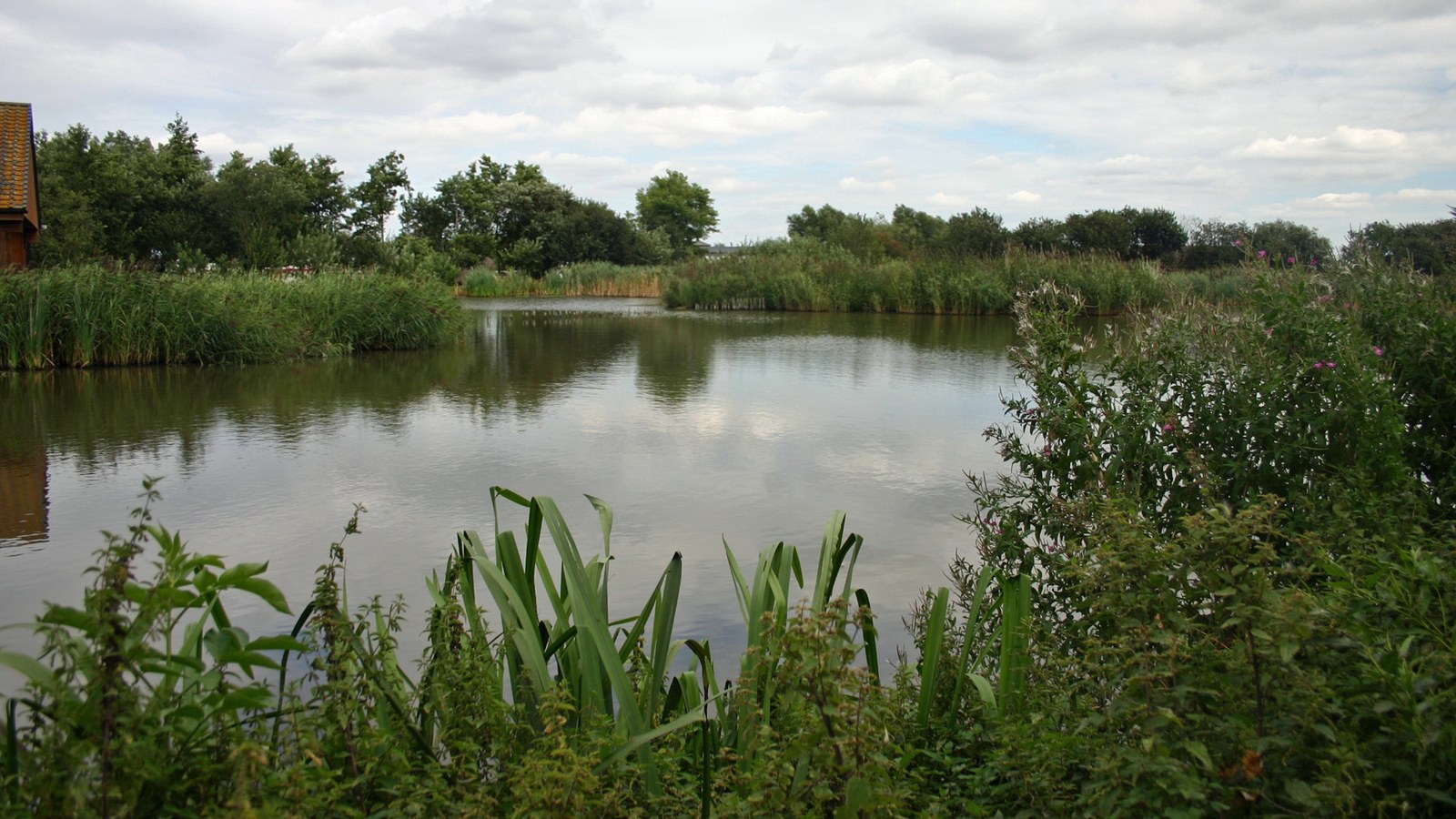
Photo: Jo and Steve Turner / Geograph Britain and Ireland, CC BY-SA 2.0. Landscape at Flag Fen Bronze Age Centre and Archaeology Park, 28 August 2005. This is not a photograph from the excavation announced on 13 September 2026. The image was cropped to 16:9.
Sources consulted: Funding secured for excavation to unlock secrets of Bronze Age Flag Fen site (GOV.UK); Flag Fen: investigating the survival and preservation of the archaeological remains (Historic England); Flag Fen, Cambridgeshire; Tree-Ring Analysis of Oak Timbers (FFB21); Grant Funding to Protect Rare Bronze Age Log Boats at Flag Fen (Historic England); Flag Fen | Peterborough City Council.






0 Comments
No comments on this article yet. Be the first!