


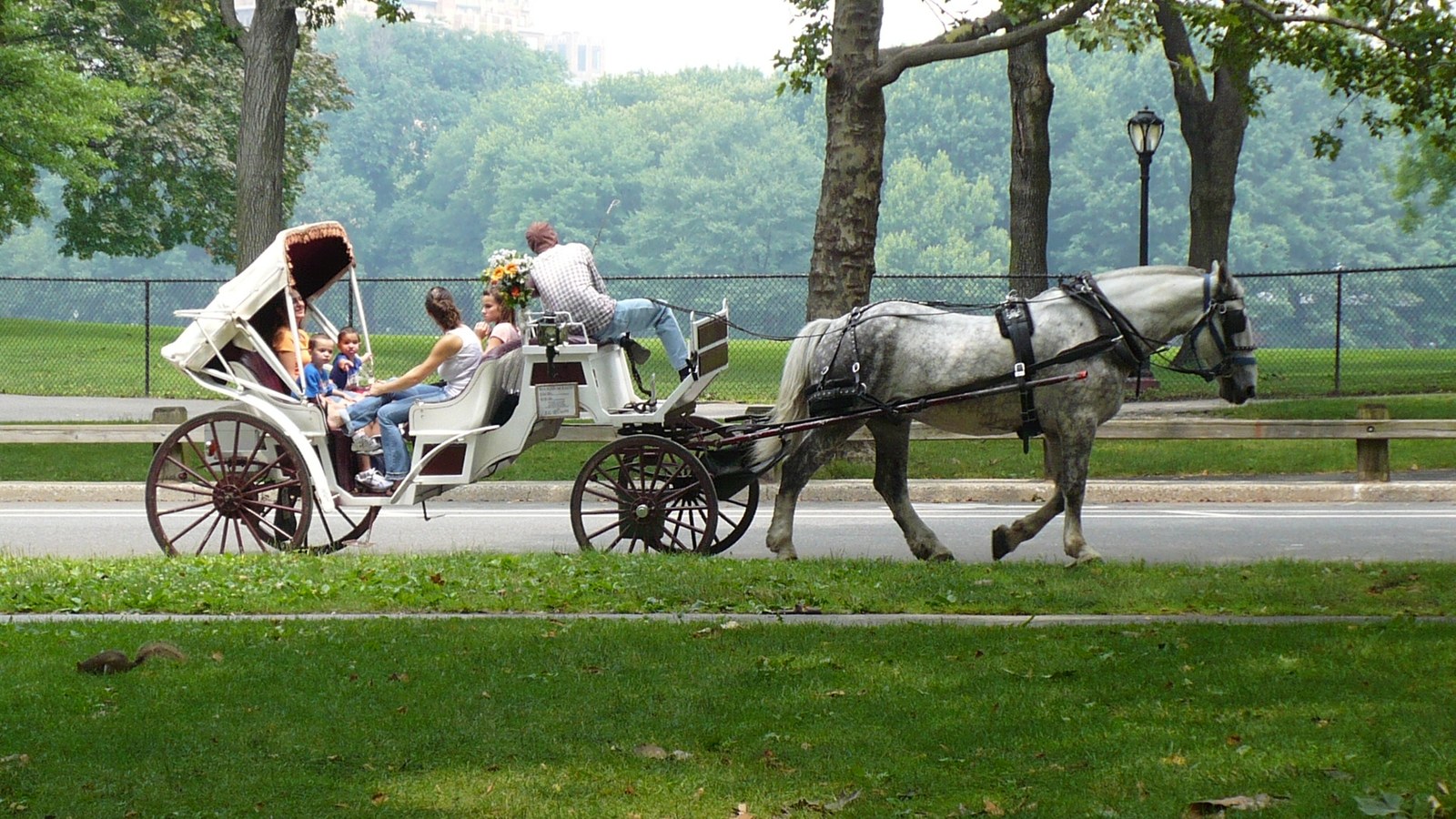
On Thursday, 22 October, the New York City Council adopted Romanch's Law. The text says horse-drawn carriages in Central Park would get no new licenses from 1 June 2028. The council vote is not the mayor's signature. The law is not in force.
The council's release counts 40 votes in favor. Christopher Marte sponsored the bill; 29 members signed on as supporters. Speaker Julie Menin is the first sitting speaker to back a ban. The Japan Times reports 7 against and 2 abstentions. The release does not publish that rest.
The BBC says Mayor Zohran Mamdani supports the bill and has said he will help with the plan for people who work the carriages. His office told CBS on Thursday night that the mayor will sign. The signature is not on the page. The carriages are still running.
Introduction 943-A, in the council's vote note, would stop new licenses for horses, carriages and drivers from 1 June 2028. Active licenses would expire on 31 May 2028 and would not be renewed. By 1 April 2027 an agency named by the mayor would have to have the transition plan: job referrals, counselling, hiring fairs and courses, including for stable workers. Pay for businesses, licenses and equipment is only to be considered. No sum has been promised. None of the text binds anyone until it is signed.
The same text says that, by 1 June 2027, every owner of a licensed horse would have to tell the health department the animal will not be sold or transferred for slaughter, for another carriage business, or for inhumane treatment. The owner may keep the horse. A declaration is not a stable already found.
Carriages have run in Central Park since 1858. The first ban bill, Tony Avella's in 2007, did not pass. Neither did Ryder's Law, after a horse collapsed in August 2022. This one is named for Romanch Mahajan, 18, a tourist from India. In June the horse bolted; he fell from the carriage and died. The BBC says his family was in the chamber for the vote. Menin said she wanted him to be "the last soul that we lose to this industry."
The BBC puts the drivers at about 200. Several told the broadcaster they do not want another job and that they do not mistreat their horses. Their union, the Transport Workers Union, says the law does not guarantee compensation and that the workers would be left without an income. CBS says the union is prepared to challenge the text in federal court. That is an intention, not a case already filed.
The Manhattan borough president's office, cited by the BBC: 40 carriage horses have died since 1982. The Central Park Conservancy: seven horse-related incidents in the past 13 months. Two counts. Not the same tally. The BBC also says a horse named Deniz died this year after eating a toxic plant in the park. That is not the 2022 collapse.
Image: a horse-drawn carriage in Central Park, 5 July 2007, Colin W, CC BY-SA 3.0, Wikimedia Commons. The park in 2007, not Thursday's vote.
Sources consulted: Speaker Julie Menin and the New York City Council Pass Historic Romanch’s Law to Phase Out Horse Drawn Carriage Industry — New York City Council; NYC Council Casts Major Votes on Animal Welfare, Housing, and Affordability — New York City Council; New York bans horse-drawn carriages after 160 years over safety and abuse concerns — BBC; New York City Council passes bill to ban horse-drawn carriage rides within 2 years — CBS New York.






0 Comments
No comments on this article yet. Be the first!