


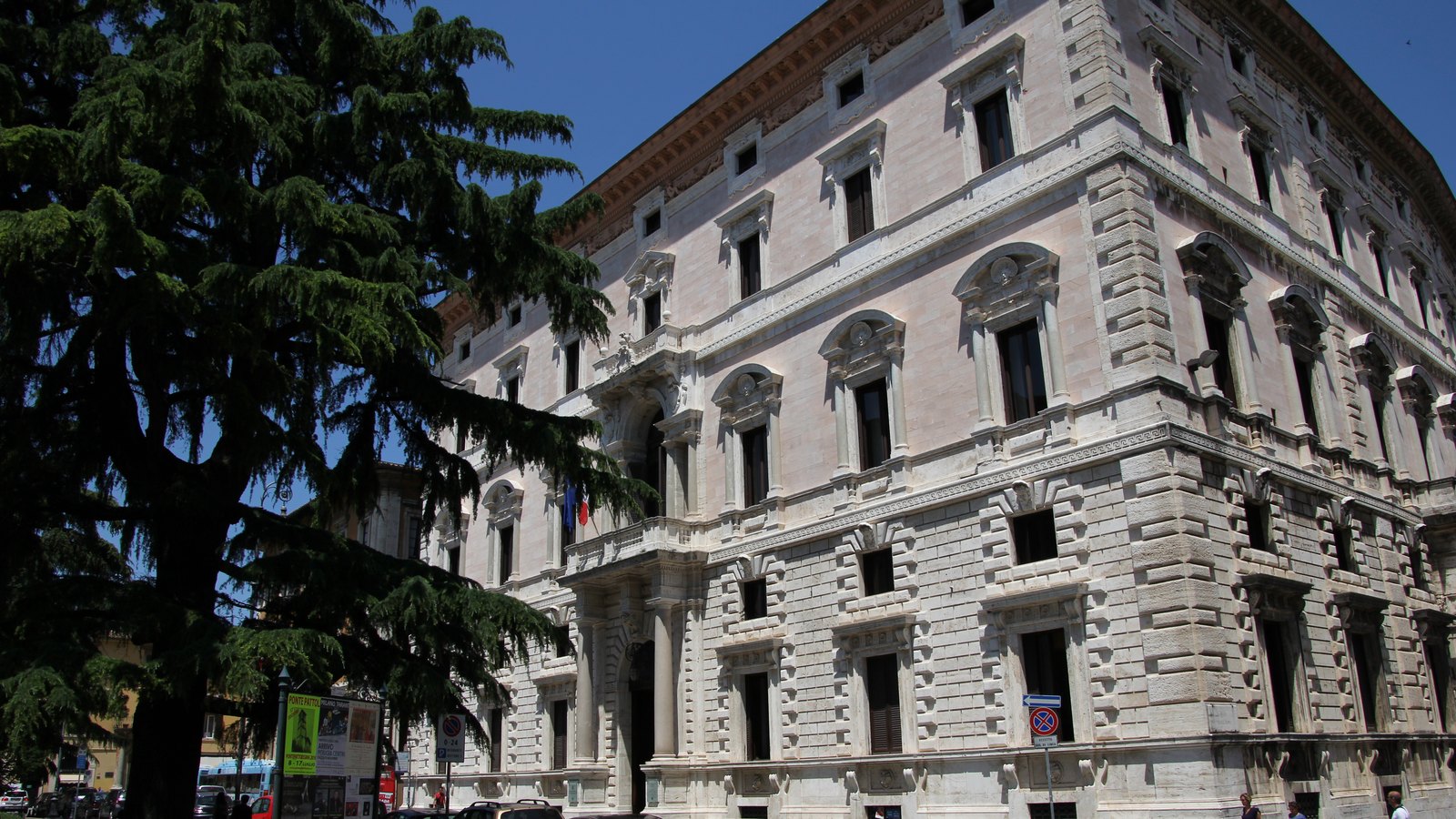
On Thursday 22 October 2026 the legislative assembly of Umbria, meeting at Palazzo Cesaroni in Perugia, approved a popular-initiative bill on medically assisted voluntary death. The assembly’s own communique, issued the same evening, gives the result: 11 votes in favour, from the Democratic Party, the Five Star Movement and the Greens and Left Alliance, six against and three abstentions. The vote belongs to the region. It is not a law of the Italian parliament, and it does not stand in for a rule for the whole country.
The votes against came from Fratelli d’Italia, Bianca Maria Tagliaferri, Donatella Tesei and Andrea Romizi. Laura Pernazza of Forza Italia, Enrico Melasecche of the Lega and Nilo Arcudi abstained. Regional president Stefania Proietti did not take part. Umbria Domani and the assembly communique record her as absent, not as one of the three abstentions. Il Post writes that Proietti opposes a regional law of this kind and that, in public, she has treated it as a question of competence: the subject, she says, belongs in parliament, so that the rule is the same everywhere.
Il Post counts Umbria as the fifth Italian region to pass its own law, after Tuscany, Sardinia, Emilia-Romagna and Veneto. In those cases the regions have tried to fill the gap left by the lack of a national statute. In 2019 the Constitutional Court held that the act is not, in certain conditions, a crime, and it has repeatedly asked parliament for a law. Parliament has not passed one. Thursday’s vote does not close that national gap, and it does not promulgate the text as a law of the Republic.
The text approved in Perugia follows the bill that the Luca Coscioni Association has filed in several regions. Il Post notes that the vote was felt more sharply here because, in July 2025, the journalist Laura Santi died in Perugia after asking parliament for a law. The assembly did not turn that case into a national rule.
Giorgia Meloni’s government has challenged the regional laws of Tuscany and Sardinia before the Constitutional Court and has said it will do the same with the law in Emilia-Romagna. It has not yet challenged the law in Veneto, a region led by a majority of the same political side, Il Post writes. The executive argues that the regulation belongs to the state, not to the regions. Umbria’s approval does not settle that dispute.
Source consulted: Suicidio medicalmente assistito: l’Assemblea legislativa dell’Umbria approva a maggioranza la legge, Umbria Domani. Second source: Anche l’Umbria ha approvato una legge sul suicidio assistito, Il Post. The vote tally: the legislative assembly communique, 22 October 2026.







0 Comments
No comments on this article yet. Be the first!