


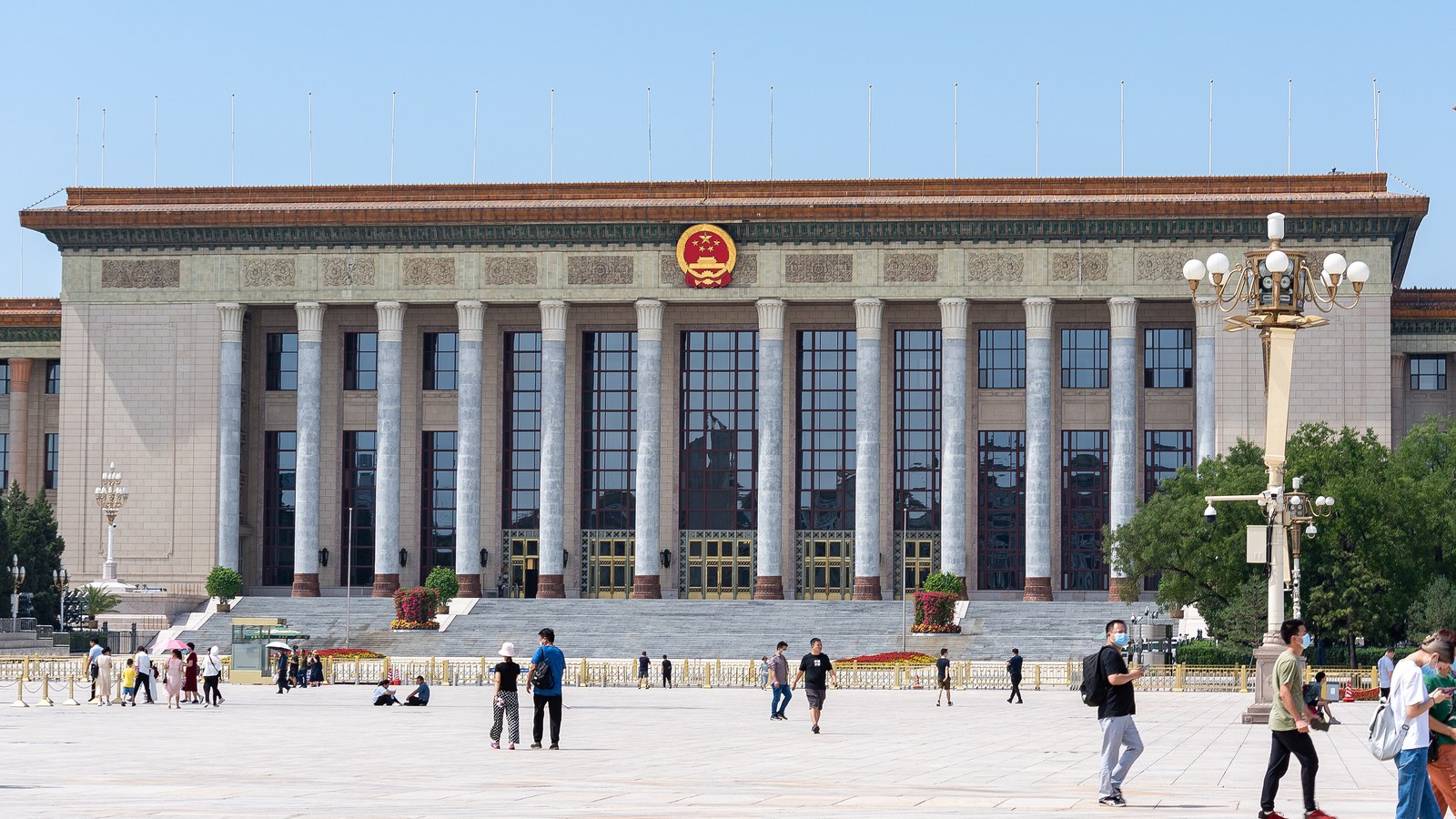
The Free Trade Agreement between New Zealand and the People’s Republic of China was signed in Beijing, in the Great Hall of the People, on 7 April 2008, by New Zealand’s Minister of Trade Phil Goff and China’s Minister of Commerce Chen Deming. Negotiations, announced by Helen Clark and Hu Jintao at APEC in Santiago in November 2004, ran to fifteen rounds. Authentic texts, article 214: English and Chinese. It is not the 1983 CER agreement with Australia.
The preamble invokes diplomatic relations since 1972, the Trade and Economic Cooperation Framework of 28 May 2004, the WTO, APEC’s Bogor goals, and the right of governments to regulate. Article 1 establishes a free trade area, consistent with Article XXIV of GATT 1994 and Article V of GATS. Article 2: expansion of trade, elimination of barriers to goods and services, fair competition, investment, intellectual property in accordance with TRIPS, and a dispute-settlement mechanism. Article 3: WTO rights and obligations remain; inconsistencies are to be addressed by consultations.
Chapter 3, article 6: national treatment, with Article III of GATT incorporated. Article 7: no new or increased customs duties on originating goods; elimination follows the schedules in Annex 1. Article 8 allows acceleration, including unilaterally. The tariff lists are not copied as an evasion handbook. Chapters 4–8: origin, customs procedures, trade remedies, sanitary and phytosanitary measures, technical barriers. Annexes 2–4: a special agricultural safeguard, a mid-term review, and China’s country-specific tariff quotas for wool.
Chapter 9: services, with schedules of specific commitments. Chapter 10: movement of natural persons, at the level of principle; visa quotas are not copied. Chapter 11: investment, with Annex 13 on expropriation. Chapters 12–14: intellectual property, transparency, cooperation, including television co-production. Chapters 15–17: institutions, dispute settlement, exceptions.
Article 209: the entire customs territory of China; New Zealand excluding Tokelau. Article 212: amendments 60 days after notifications. Article 213: entry into force 60 days after written notification that domestic procedures have been completed — 1 October 2008; termination on 180 days’ notice. A later upgrade protocol is a distinct instrument.
Cover: the Great Hall of the People in Beijing; the place of signature, with no particular protocol room claimed. Wikimedia Commons, free licence.
Sources consulted: New Zealand–China Free Trade Agreement; New Zealand–China Free Trade Agreement (MFAT).











0 Comments
No comments on this article yet. Be the first!