


Early results from New Zealand’s parliamentary election point to an extremely tight race between Prime Minister Christopher Luxon’s National Party and Chris Hipkins’s Labour Party, according to Electoral Commission data reported by Radio România.
With more than 60% of voting places counted, the two major parties are within less than a percentage point of each other, around 29% of the party vote. Smaller parties — the Greens, ACT, New Zealand First and the Opportunity Party — effectively decide who can assemble a majority.
The mixed-member proportional (MMP) system gives each voter two ballots: one for a party and one for an electorate candidate. Parliament combines electorate and list seats; forming a government usually requires a coalition majority.
The Opportunity Party has cleared the 5% threshold in the preliminary count, which could make it a kingmaker in post-election talks. The sitting National–ACT–NZ First coalition and a Labour–Greens–Te Pāti Māori bloc would both need partners to reach a majority.
The Electoral Commission expects to publish official results on 27 November. Special votes — including overseas ballots — are excluded from the preliminary total and have historically favoured parties on the left, so the final ranking can still shift.
A new government may only take shape after the official count and coalition negotiations. Until then Luxon remains prime minister of a cabinet seeking a second term, while Hipkins tries to return Labour to power.
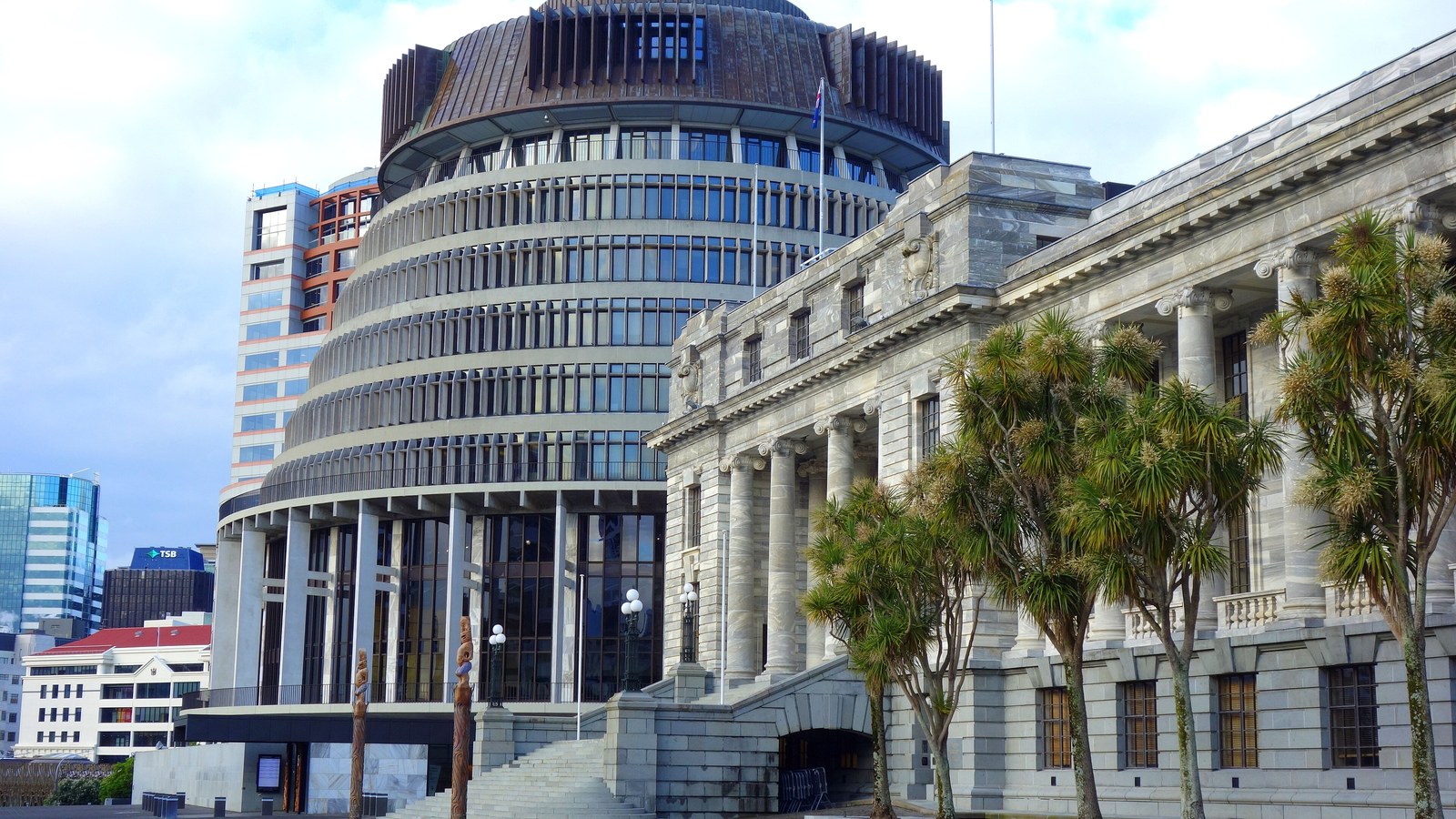
Image: Parliament buildings in Wellington (Wikimedia Commons, CC0).
Sources consulted: New Zealand election: tight race between National and Labour — Radio Romania.








0 Comments
No comments on this article yet. Be the first!