


Omar Rajeh danced at The Pit, Barbican, on 16 and 17 October. An hour, no interval. Dance Umbrella, until the 27th. The Guardian, Lyndsey Winship, on the 18th: desire and defiance, a solo in which he sweats it all out. The show has passed. The review remains. The festival has not.
In August 2019, in a bedroom, percussion, the world in crisis. Citerne Beirut, the theatre he had founded, closed by order of the local government. On the site, an incinerator. A teenager after the civil war, dance had seemed the most revolutionary thing he could do. Three decades on, he still dances: frustration, resistance, a need to connect. He is not always elegant. The dancing, the Guardian says, is like a necessary job.
It is a stream of consciousness. Sometimes an explosion. Mostly, calm thoughts about choreography, with the workings on show. He sits at a keyboard, the thoughts come up on a screen: inspirations, decisions, hesitations, U-turns. The first “choreographies”: a fight between two men, people in the street, bodies choosing and organising themselves in space. The political and the creative, for him, are the same thing. He is in Lyon now. Lebanon has lost a cultural worker. The piece asks for a gathering, witnesses, pain shared.
The Barbican: a personal memoir and a political act. What it means to keep dancing when everything says stop. Maqam, instant composition, the body making its own rules. Spoken text, Arabic. Written, English and Arabic. Live basil on stage, an allergen warning. Seeingdance: dozens of pots, his mother’s garden. Mia Habis, assistant. Chevalier des Arts et des Lettres. Founder of Maqamat and BIPOD. 12+. Post-show, the 16th, BSL.
It is not a world premiere. It is a London premiere. £21.50, the £10 seats sold out. CN D Lyon, DRAC Auvergne-Rhône-Alpes, PIDA. That is the production. The Guardian review does not put stars in the text on the site. The Reviews Hub put 80 per cent. Two rooms of judgment. One body.
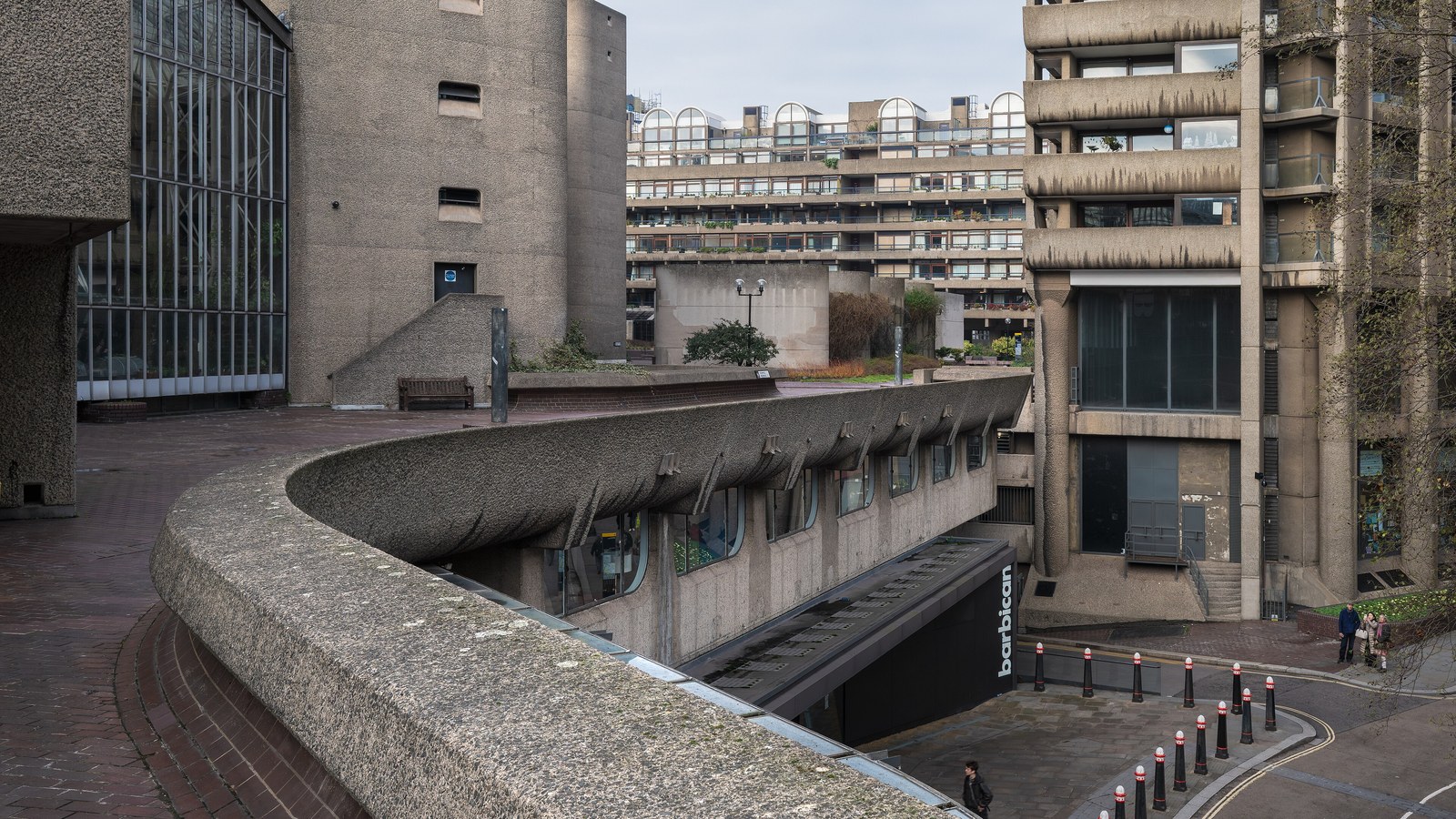
Until the 27th, Dance Umbrella still holds other stages. After that, what remains is whether the basil in the hand, on the way out, still smells of Beirut. Between them, the Barbican estate in the picture, not The Pit.
Image: Julian Herzog, Barbican Estate, City of London, 18 January 2026, CC BY 4.0, Wikimedia Commons. The photograph is of the estate, not The Pit stage.
Sources consulted: Dance Is Not for Us review – desire and defiance as one revolutionary mover sweats it all out — The Guardian; Cie Omar Rajeh & Maqamat: Dance is Not for Us — Barbican.











0 Comments
No comments on this article yet. Be the first!