


The Treaty instituting the Arab-African Union, known as the Oujda Treaty, was signed in Oujda on 13 August 1984. The signatories were Hassan II, King of Morocco, and Muammar Gaddafi, leader of the Libyan Arab Jamahiriya. Sixteen articles; the text was published in the Bulletin officiel du Royaume du Maroc. It is not the Arab Maghreb Union of Marrakesh of 1989, nor the Djerba merger project of 1974.
Article 1 constitutes the Arab-African Union between the two States. Article 2: a joint presidency, the highest body, composed of the King of Morocco and the Leader of the Libyan Revolution. Article 3: a secretariat under the presidency, with reciprocal representatives; the secretary-general serving for about two years. Articles 4–7: political, defence, economic, technical and cultural assemblies; a mission or assembly drawn from the Moroccan Parliament and the General People’s Congress; an executive committee; a judicial committee for disputes of interpretation.
Articles 8–9: objectives of closer relations, peace and a bilateral political method; in defence, protection of the independence of the two countries — a framework, not an operational handbook; in economics, industrial, agricultural, commercial and social development; in culture, education. Article 10: an operating budget and a development budget. Article 11: respect for sovereignty and non-interference in internal affairs.
Article 12: any aggression against one of the two States shall constitute aggression against the other. Article 13: the Union does not preclude analogous agreements with third States; with the consent of the Parties, Arab or African States may accede. Article 14: an ad hoc commission shall submit draft complementary agreements. Article 15: the interests of each State shall be represented in the other by a resident minister or secretary.
Article 16: the Treaty shall enter into force upon approval by referendum of the people of Morocco and of the people of Libya, in accordance with each State’s procedures. Approval took place on 31 August; entry into force on 1 September. Morocco denounced the union at the end of August 1986, after a Libyan-Syrian communiqué called the Ifrane meeting with the Israeli prime minister treason; Libya described the rupture as illegal.
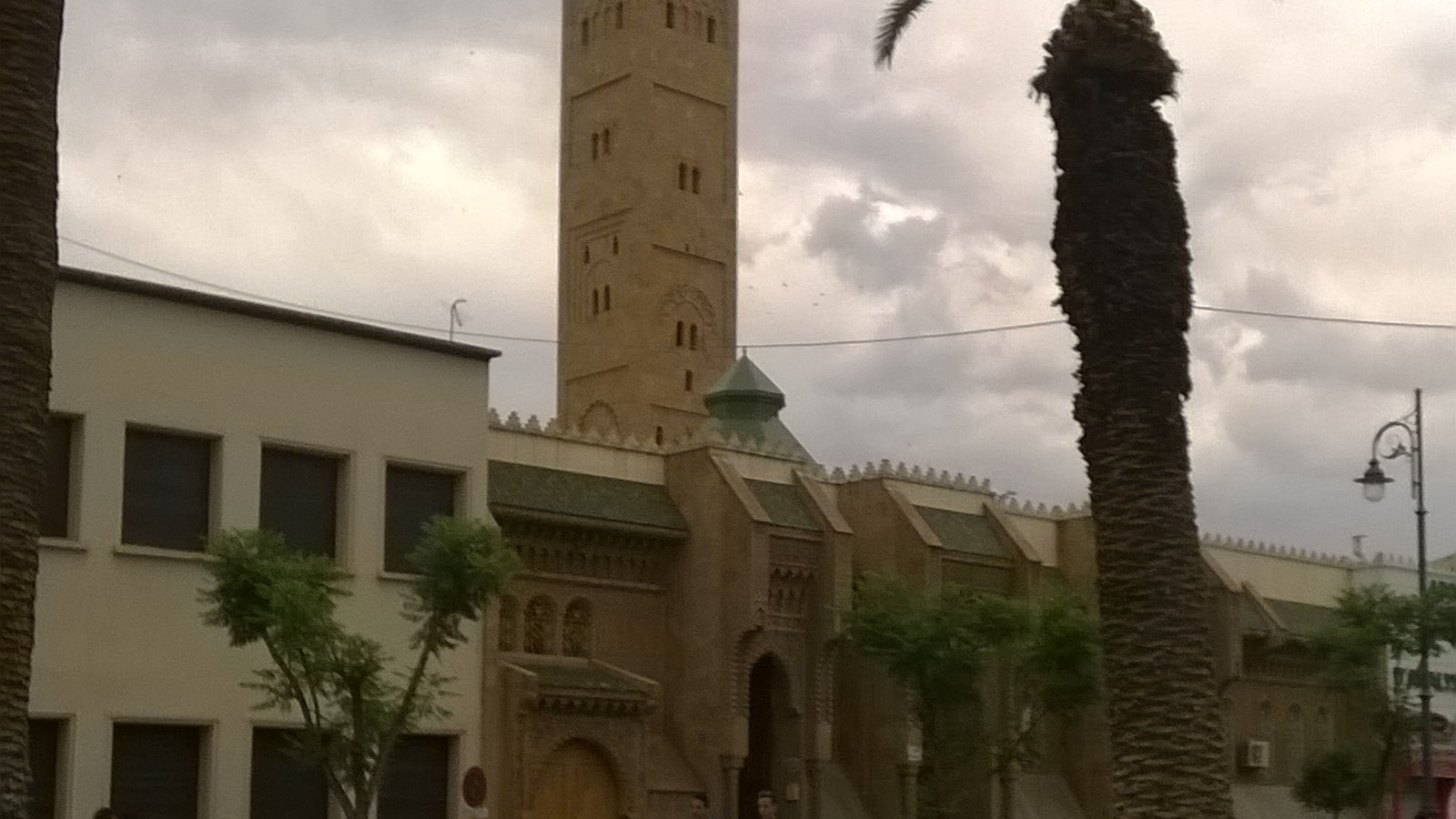
Cover: the Great Mosque of Oujda, a landmark of the city in the years of signature; we do not claim the signing room. Wikimedia Commons, free licence.
Sources consulted: Oujda Treaty; Treaty Establishing the Arab-African Union of States (Australian International Law News).











0 Comments
No comments on this article yet. Be the first!